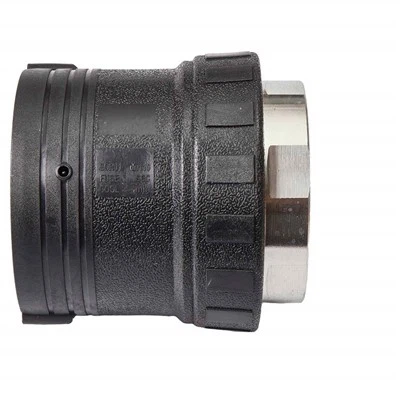


Choosing the right rubber gasket for a Female Thread Adaptor HDPE is crucial for ensuring a proper and leak - free connection. As a supplier of Female Thread Adaptor HDPE, I've seen firsthand how the wrong gasket can lead to all sorts of problems, from minor leaks to major system failures. In this blog, I'll share some tips on how to make the best choice for your specific needs.
Understanding the Basics of Female Thread Adaptor HDPE
Before we dive into choosing the gasket, let's quickly go over what a Female Thread Adaptor HDPE is. These adapters are used in various piping systems, especially in those that rely on High - Density Polyethylene (HDPE) materials. They come with internal threads, allowing for connection to other parts with compatible external threads. You can learn more about HDPE Female Adaptor here. They are popular due to the durability and chemical resistance of HDPE, making them suitable for a wide range of applications, including water supply, sewage systems, and industrial fluid handling.
Why the Right Rubber Gasket Matters
A rubber gasket acts as a seal between the Female Thread Adaptor HDPE and the connected part. Its main job is to prevent leaks, which can be a huge problem in any piping system. A leak can lead to loss of fluid, contamination, and even damage to the surrounding environment. Moreover, a good gasket can also help to reduce vibration and noise, making the system more efficient and comfortable to operate.
Factors to Consider When Choosing a Rubber Gasket
Compatibility with HDPE
The first thing you need to consider is the compatibility of the rubber gasket with HDPE. Some rubbers may react with HDPE over time, causing degradation of either the gasket or the adaptor. For example, certain types of rubber may release chemicals that can soften or weaken the HDPE material. You should look for gaskets made from materials that are known to be compatible with HDPE, such as EPDM (Ethylene Propylene Diene Monomer) rubber. EPDM is a popular choice because it has excellent resistance to weathering, ozone, and many chemicals, and it doesn't react negatively with HDPE.
Temperature Resistance
The temperature of the fluid flowing through the piping system can have a big impact on the performance of the rubber gasket. If the temperature is too high, the rubber may become soft and lose its sealing properties. On the other hand, if it's too low, the rubber can become brittle and crack. You need to know the maximum and minimum temperatures that the gasket will be exposed to and choose a material that can withstand those conditions. For high - temperature applications, silicone rubber gaskets are a good option as they can handle temperatures up to 200°C or even higher in some cases. For lower - temperature environments, nitrile rubber can be a suitable choice as it remains flexible at relatively low temperatures.
Pressure Rating
Another important factor is the pressure rating of the gasket. The pressure inside the piping system can vary depending on the application, and the gasket needs to be able to handle that pressure without failing. You should choose a gasket with a pressure rating that is higher than the maximum pressure expected in your system. This provides a safety margin and ensures that the gasket will not blow out under normal operating conditions. Manufacturers usually specify the pressure rating of their gaskets, so make sure to check this information before making a purchase.
Chemical Resistance
The fluid flowing through the piping system may contain various chemicals, and the rubber gasket needs to be able to resist those chemicals. Different rubbers have different levels of chemical resistance. For example, Viton (Fluorocarbon Rubber) is highly resistant to oils, fuels, and many chemicals, making it a great choice for industrial applications where the fluid may be contaminated with these substances. If you're dealing with a water - based system, EPDM may be sufficient as it has good resistance to water and many common water - borne chemicals.
Size and Shape
The size and shape of the gasket are also crucial. It needs to fit perfectly into the Female Thread Adaptor HDPE and the connected part. A gasket that is too small may not provide a proper seal, while one that is too large may be difficult to install and may also get damaged during the installation process. You should measure the dimensions of the adaptor and the mating part carefully and choose a gasket with the exact same dimensions. Most gaskets are available in standard sizes, but if you have a unique application, you may need to order a custom - made gasket.
Comparing Different Types of Rubber Gaskets
EPDM Gaskets
As mentioned earlier, EPDM gaskets are a popular choice for use with HDPE adaptors. They are affordable, easy to install, and have good resistance to weather, ozone, and many chemicals. They also have excellent flexibility, which allows them to form a tight seal even under uneven pressure. EPDM is commonly used in water supply systems, as it is non - toxic and safe for contact with drinking water.
Nitrile Rubber Gaskets
Nitrile rubber gaskets are known for their excellent resistance to oils and fuels. They are often used in automotive and industrial applications where there is a risk of contact with these substances. Nitrile rubber also has good mechanical properties, such as high tensile strength and abrasion resistance, which makes it durable and long - lasting. However, it may not be the best choice for applications where the gasket will be exposed to high - temperature steam or certain chemicals.
Silicone Rubber Gaskets
Silicone rubber gaskets are ideal for high - temperature applications. They can withstand extreme heat without losing their shape or sealing properties. Silicone is also very flexible and has good chemical resistance to some substances, such as water and certain acids. They are commonly used in engines, electrical components, and other applications where high temperatures are involved.
Viton Gaskets
Viton gaskets offer the highest level of chemical resistance among the common rubber materials. They can resist a wide range of chemicals, including acids, bases, fuels, and solvents. This makes them suitable for use in harsh industrial environments where other rubber materials may fail. However, Viton is relatively expensive compared to other types of rubber, so it may not be the best choice for applications where cost is a major concern.


Installation Tips for Rubber Gaskets
Once you've chosen the right rubber gasket, proper installation is key to ensuring its performance. Here are some tips:
- Clean the surfaces of the Female Thread Adaptor HDPE and the connected part thoroughly before installing the gasket. Any dirt, debris, or oil on the surfaces can prevent the gasket from forming a proper seal.
- Lubricate the gasket lightly with a compatible lubricant. This can make the installation easier and also help to prevent the gasket from getting damaged during the process. However, make sure to use a lubricant that is approved for use with the rubber material of the gasket.
- Align the gasket properly before tightening the connection. A misaligned gasket can cause leaks and may also damage the gasket itself.
- Tighten the connection evenly. Over - tightening can damage the gasket, while under - tightening can result in a leaky seal. Use a torque wrench if possible to ensure that the proper amount of torque is applied.
Conclusion
Choosing the right rubber gasket for a Female Thread Adaptor HDPE is not as simple as it may seem. You need to consider factors such as compatibility, temperature resistance, pressure rating, chemical resistance, and size. By taking the time to understand these factors and making an informed decision, you can ensure a reliable and leak - free connection in your piping system.
If you're in the market for Female Thread Adaptor HDPE or need more advice on choosing the right rubber gasket, don't hesitate to reach out. We're here to help you find the best solutions for your specific needs. Whether you're working on a small DIY project or a large - scale industrial installation, we've got the products and expertise to support you.
References
- "Handbook of Elastomers" by A. K. Bhowmick and H. L. Stephens
- "Rubber Technology: Compounding, Testing, and Applications" by Michael Morton