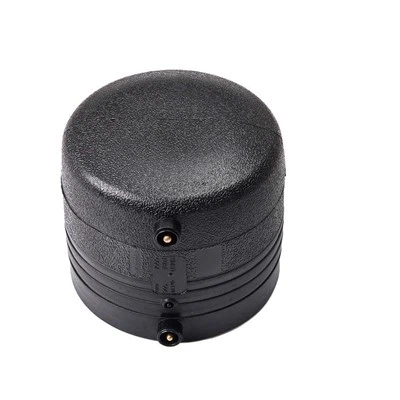


Ensuring the quality of pipe electrofusion joints is crucial for the long - term performance and safety of piping systems. As a Pipe Electrofusion supplier, I have witnessed firsthand the importance of high - quality joints in various applications, from water supply networks to industrial pipelines. In this blog, I will share some key strategies and best practices to ensure the quality of pipe electrofusion joints.
1. Material Selection
The first step in ensuring the quality of electrofusion joints is the proper selection of materials. The pipes and electrofusion fittings should be made of compatible materials. High - density polyethylene (HDPE) is a popular choice for many applications due to its excellent chemical resistance, durability, and flexibility.
When selecting HDPE pipes and fittings, it is essential to ensure that they meet the relevant industry standards. For example, the pipes should comply with standards such as ISO 4427 for PE pipes for water supply. The electrofusion fittings should also be from a reliable manufacturer and be designed to work with the specific type of pipes being used. Our company offers a range of high - quality products, including the HOPE S90 Electrofusion Coupling Fitting, Electro Fusion Joint HDPE, and PE Electrofusion Fitting, all of which are manufactured to meet strict quality standards.
2. Surface Preparation
Proper surface preparation is vital for creating a strong and reliable electrofusion joint. The surfaces of the pipes and fittings that will be joined must be clean, dry, and free from any contaminants such as dirt, grease, or oxidation.
Before starting the electrofusion process, the pipe ends should be cut square and smooth. A pipe cutter designed for HDPE pipes can be used to achieve a clean cut. After cutting, the outer surface of the pipe and the inner surface of the fitting should be wiped with a clean, dry cloth to remove any loose debris. In some cases, a mild solvent may be used to clean the surfaces, but it is important to ensure that the solvent is compatible with the HDPE material and that it has completely evaporated before proceeding with the fusion process.
3. Correct Installation Procedure
Following the correct installation procedure is essential for ensuring the quality of electrofusion joints. The installation process typically involves the following steps:
- Insertion: Insert the pipe ends into the electrofusion fitting until they reach the stop mark. Make sure the pipes are centered within the fitting to ensure uniform heating and fusion.
- Connection: Connect the electrofusion machine to the fitting according to the manufacturer's instructions. The electrofusion machine supplies a controlled electrical current to the heating coils inside the fitting, which generates heat and melts the HDPE material, creating a fusion bond between the pipe and the fitting.
- Heating: Set the correct heating parameters on the electrofusion machine, including the heating time and current. These parameters are usually provided by the fitting manufacturer and are based on the size and type of the fitting and the pipe. It is crucial to follow these parameters precisely to ensure a proper fusion.
- Cooling: After the heating process is completed, the joint must be allowed to cool naturally for the recommended period. During the cooling phase, the molten HDPE material solidifies, forming a strong and durable bond. It is important not to disturb the joint during this cooling period to avoid weakening the bond.
4. Quality Control During Installation
Implementing quality control measures during the installation process can help identify and correct issues before they become major problems. Some quality control steps include:


- Visual Inspection: Before starting the electrofusion process, visually inspect the pipes and fittings for any defects such as cracks, scratches, or uneven surfaces. Any defective components should be replaced.
- Electrofusion Machine Calibration: Regularly calibrate the electrofusion machine to ensure accurate heating parameters. An uncalibrated machine may provide incorrect heating times or currents, which can lead to poor - quality joints.
- Monitoring the Fusion Process: Use the electrofusion machine's built - in monitoring features to track the heating process. The machine can display information such as the actual heating time, current, and temperature. Compare these values with the recommended parameters to ensure that the fusion is proceeding correctly.
5. Post - Installation Testing
After the installation is complete, it is important to conduct post - installation testing to verify the quality of the electrofusion joints. Two common testing methods are:
- Pressure Testing: Pressurize the piping system to a specified pressure and hold it for a certain period. This test can help detect any leaks in the joints or the pipes. If a leak is detected, the affected joint should be repaired or replaced.
- Non - Destructive Testing: Non - destructive testing methods such as ultrasonic testing or electromagnetic testing can be used to inspect the internal structure of the joints for any defects such as voids or incomplete fusion. These tests can provide valuable information about the quality of the joints without damaging them.
6. Staff Training and Certification
The quality of electrofusion joints also depends on the skills and knowledge of the installation technicians. Providing comprehensive training to the installation staff on the proper installation procedures, material handling, and quality control measures is essential.
Technicians should be certified to perform electrofusion installations. Certification programs typically include theoretical training, practical hands - on experience, and a final examination. Certified technicians are more likely to perform the installation correctly and ensure the quality of the joints.
7. After - Sales Support
As a Pipe Electrofusion supplier, we understand the importance of after - sales support. We offer technical assistance to our customers for any issues they may encounter during the installation or operation of our products. Our team of experts can provide advice on troubleshooting, maintenance, and quality improvement.
We also provide product warranties to give our customers peace of mind. In case of any product - related problems within the warranty period, we will replace or repair the defective products free of charge.
In conclusion, ensuring the quality of pipe electrofusion joints requires a combination of proper material selection, surface preparation, correct installation procedures, quality control, post - installation testing, staff training, and after - sales support. By following these strategies, you can achieve high - quality electrofusion joints that will provide reliable performance for many years.
If you are interested in purchasing our high - quality Pipe Electrofusion products for your project, please contact us for more information and to start a procurement discussion. We look forward to working with you to ensure the success of your piping systems.
References
- ISO 4427: Plastics pipes and fittings. Polyethylene (PE) pipes and fittings for water supply.
- Manufacturer's installation manuals for electrofusion fittings.