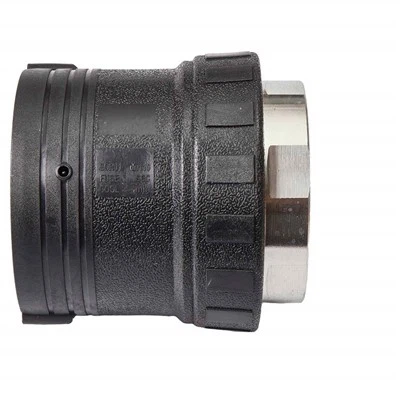


Hey there! As a supplier of HDPE electrofusion fittings, I'm super excited to chat with you about the corrosion resistance characteristics of these amazing products.
First off, let's understand what HDPE electrofusion fittings are. HDPE, or High - Density Polyethylene, is a thermoplastic polymer known for its high strength - to - density ratio. Electrofusion fittings are used to join HDPE pipes together by using an electric current to melt the fitting and the pipe, creating a strong, leak - proof joint.
One of the most outstanding features of HDPE electrofusion fittings in terms of corrosion resistance is their inherent chemical stability. HDPE is highly resistant to a wide range of chemicals, including acids, alkalis, and salts. Unlike metal fittings, which can corrode when exposed to these substances, HDPE electrofusion fittings remain intact. For example, in industrial settings where there are harsh chemical environments, such as in chemical plants or wastewater treatment facilities, HDPE electrofusion fittings can withstand the corrosive effects of various chemicals. This means less maintenance and longer service life for the piping systems.
Another great thing about HDPE electrofusion fittings is their resistance to oxidation. Oxidation is a common cause of corrosion in many materials. However, HDPE has a low oxidation rate. It doesn't rust like iron or steel. This is especially important in outdoor applications where the fittings are exposed to air and moisture. For instance, in water supply systems that are installed above - ground or in areas with high humidity, HDPE electrofusion fittings won't degrade due to oxidation.
HDPE electrofusion fittings also have excellent resistance to microbial corrosion. Microbes can cause corrosion in pipes by producing acids and other corrosive substances. But HDPE is not a favorable environment for microbial growth. Its smooth surface and chemical properties make it difficult for microbes to attach and thrive. This is crucial in water distribution systems, where water quality needs to be maintained. Using HDPE electrofusion fittings can help prevent the growth of harmful bacteria and other microorganisms, ensuring the safety of the water supply.
In addition to chemical and microbial resistance, HDPE electrofusion fittings are also resistant to soil corrosion. When buried underground, pipes are exposed to the soil environment, which can be corrosive depending on the soil type. HDPE fittings can withstand the corrosive effects of different soil conditions, such as acidic or alkaline soils. This makes them a great choice for underground piping systems, like gas pipelines or drainage systems.
Let's talk about some specific products. We offer a wide range of HDPE electrofusion fittings, such as the PE Electrofusion Tee PN20. This tee fitting is designed to connect three pipes at a 90 - degree angle. Its corrosion - resistant properties make it suitable for various applications, from residential water supply to industrial fluid transfer.
Another popular product is the Electrofusion HDPE Coupler. This coupler is used to join two pipes together. With its excellent corrosion resistance, it can ensure a long - lasting and reliable connection between the pipes, even in harsh environments.
We also have the Electrofusion HDPE, which is a versatile fitting that can be used in different piping systems. Whether it's for a small - scale project or a large - scale industrial installation, this fitting provides a strong and corrosion - resistant solution.


If you're in the market for high - quality HDPE electrofusion fittings, we're here to help. Our products are not only corrosion - resistant but also meet high - quality standards. We have a team of experts who can provide you with technical support and advice on choosing the right fittings for your specific needs.
So, if you're interested in purchasing HDPE electrofusion fittings, don't hesitate to reach out. We're ready to have a chat and discuss how our products can fit your project requirements. Whether you're a contractor, an engineer, or a DIY enthusiast, we have the right solutions for you.
References:
- "Plastics in Piping Systems" by J. V. Kennedy
- "Handbook of Polyethylene" edited by Andrew Peacock