

Hey there! As a supplier of HDPE female adaptors, I've been getting a lot of questions lately about whether these adaptors are affected by soil conditions. So, I thought I'd take a moment to dive into this topic and share some insights.
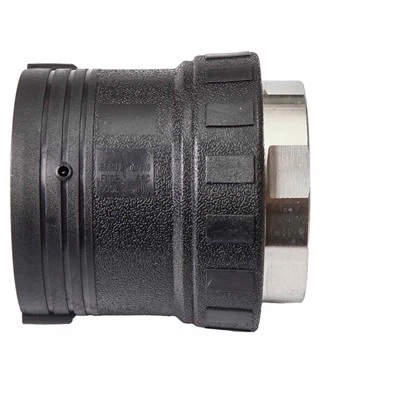
First off, let's talk about what HDPE female adaptors are. HDPE, or high-density polyethylene, is a type of plastic that's known for its strength, durability, and resistance to chemicals. HDPE female adaptors are used to connect pipes and other components in a plumbing or irrigation system. They have a female thread on one end, which allows them to be screwed onto a male thread on another component.
Now, let's get to the question at hand: are HDPE female adaptors affected by soil conditions? The short answer is yes, they can be. Soil conditions can have a significant impact on the performance and lifespan of HDPE female adaptors. Here are some of the ways that soil conditions can affect these adaptors:
1. Soil pH
The pH level of the soil can have a big impact on the performance of HDPE female adaptors. If the soil is too acidic or too alkaline, it can cause the adaptors to degrade over time. Acidic soil can cause the HDPE material to break down, while alkaline soil can cause the adaptors to become brittle and crack. To prevent this, it's important to choose HDPE female adaptors that are designed to withstand the pH level of the soil in your area.
2. Soil Moisture
The moisture content of the soil can also affect the performance of HDPE female adaptors. If the soil is too wet, it can cause the adaptors to become waterlogged and lose their structural integrity. On the other hand, if the soil is too dry, it can cause the adaptors to shrink and crack. To prevent this, it's important to ensure that the soil around the adaptors is well-drained and that the adaptors are installed in a way that allows for proper ventilation.
3. Soil Compaction
Soil compaction can also have a negative impact on the performance of HDPE female adaptors. When the soil is compacted, it can put pressure on the adaptors and cause them to deform or break. To prevent this, it's important to ensure that the soil around the adaptors is loose and well-aerated. This can be achieved by tilling the soil before installing the adaptors and by using a layer of mulch or other organic material to help keep the soil loose.
4. Soil Temperature
The temperature of the soil can also affect the performance of HDPE female adaptors. If the soil is too cold, it can cause the adaptors to become brittle and crack. On the other hand, if the soil is too hot, it can cause the adaptors to soften and lose their shape. To prevent this, it's important to choose HDPE female adaptors that are designed to withstand the temperature range of the soil in your area.
So, what can you do to ensure that your HDPE female adaptors are not affected by soil conditions? Here are some tips:
1. Choose the Right Adaptors
When choosing HDPE female adaptors, it's important to choose ones that are designed to withstand the soil conditions in your area. Look for adaptors that are made from high-quality HDPE material and that have been tested to ensure that they can withstand the pH level, moisture content, compaction, and temperature of the soil in your area.
2. Install the Adaptors Properly
Proper installation is key to ensuring that your HDPE female adaptors perform well and last for a long time. Make sure that the adaptors are installed in a way that allows for proper ventilation and drainage. Use a layer of mulch or other organic material to help keep the soil loose and well-aerated.
3. Monitor the Soil Conditions
It's important to monitor the soil conditions around your HDPE female adaptors on a regular basis. Check the pH level, moisture content, compaction, and temperature of the soil to ensure that it's within the range that the adaptors can withstand. If you notice any changes in the soil conditions, take action to correct them as soon as possible.
4. Maintain the Adaptors
Regular maintenance is also important to ensure that your HDPE female adaptors perform well and last for a long time. Check the adaptors for signs of damage or wear on a regular basis and replace them if necessary. Clean the adaptors regularly to prevent the buildup of dirt and debris.
In addition to HDPE female adaptors, we also offer a range of other HDPE adaptors, including Male Thread Adaptor HDPE, Male Adaptor HDPE, and Flange Adaptor for HDPE Pipe. These adaptors are also designed to withstand a variety of soil conditions and are made from high-quality HDPE material.


If you're in the market for HDPE female adaptors or any other HDPE adaptors, we'd love to hear from you. We offer a wide range of products at competitive prices, and our team of experts is always available to answer any questions you may have. Contact us today to learn more about our products and to discuss your specific needs.
References
- ASTM International. (2023). Standard Specification for High-Density Polyethylene (HDPE) Plastic Pipe and Fittings.
- Plastics Pipe Institute. (2023). HDPE Pipe Design and Installation Manual.
- Water Research Foundation. (2023). Impact of Soil Conditions on HDPE Pipe Performance.