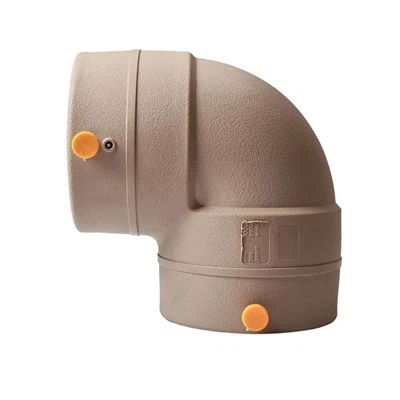


Can a PPR electrofusion coupler be used in snow - melting systems?
Hey there! I'm a supplier of PPR electrofusion couplers, and I often get asked if these couplers can be used in snow - melting systems. Well, let's dig into this topic and find out.
First off, let's talk a bit about what PPR electrofusion couplers are. PPR, or polypropylene random copolymer, is a type of plastic that's known for its durability, chemical resistance, and flexibility. PPR Electrofusion couplers are used to join PPR pipes together. They work by using an electric current to heat up a heating element inside the coupler, which then melts the PPR material and fuses the pipes together.
Now, snow - melting systems are designed to keep surfaces like driveways, sidewalks, and parking lots free of snow and ice. These systems typically use a network of pipes that carry a heated fluid, usually a mixture of water and antifreeze. The heat from the fluid is transferred to the surface above, melting the snow and ice.
So, can PPR electrofusion couplers be used in these systems? The short answer is yes, but there are some important factors to consider.


Advantages of Using PPR Electrofusion Couplers in Snow - Melting Systems
Durability
PPR pipes and couplers are highly durable. They can withstand a wide range of temperatures, from extremely cold to relatively hot. In a snow - melting system, the pipes will be exposed to cold outdoor temperatures in the winter and warm fluid temperatures from the heating system. PPR can handle these temperature variations without cracking or deforming. This means that once installed, the PPR electrofusion couplers can provide a long - lasting connection that won't fail due to temperature changes.
Chemical Resistance
The fluid used in snow - melting systems often contains antifreeze, which can be corrosive to some materials. PPR is resistant to many chemicals, including the types of antifreeze commonly used in these systems. This chemical resistance ensures that the couplers won't degrade over time due to contact with the fluid, maintaining the integrity of the connection between the pipes.
Easy Installation
PPR Electrofusion couplers are relatively easy to install. The electrofusion process is straightforward and can be done quickly with the right equipment. This is a big advantage when it comes to installing a snow - melting system, as it can save time and labor costs. You don't need to use complex welding techniques or rely on skilled laborers to make the connections.
Leak - Free Joints
The electrofusion process creates a strong, leak - free joint between the pipes. In a snow - melting system, any leaks can lead to a loss of heat and fluid, which can reduce the efficiency of the system. PPR electrofusion couplers ensure that the joints are tight and secure, preventing any leaks and keeping the system running smoothly.
Considerations When Using PPR Electrofusion Couplers in Snow - Melting Systems
Temperature Limitations
While PPR can handle a wide range of temperatures, there are still some limitations. In extremely cold conditions, the PPR material can become more brittle. This means that if there are any sudden impacts or stresses on the pipes or couplers, they may be more likely to crack. It's important to ensure that the system is installed in a way that minimizes the risk of damage from external forces, such as heavy snow or ice accumulation.
Pressure Ratings
Snow - melting systems typically operate under a certain pressure. It's crucial to choose PPR electrofusion couplers that have the appropriate pressure rating for the system. If the couplers can't handle the pressure, it can lead to leaks or even pipe failures. Make sure to check the pressure requirements of your snow - melting system and select couplers that meet or exceed those requirements.
Expansion and Contraction
As the temperature changes, PPR pipes and couplers will expand and contract. In a snow - melting system, this can be a significant factor. If the system isn't designed to accommodate this expansion and contraction, it can cause stress on the joints and lead to failures. Proper installation techniques, such as using expansion loops or flexible connections, can help to mitigate these issues.
Choosing the Right PPR Electrofusion Couplers for Snow - Melting Systems
When selecting PPR electrofusion couplers for a snow - melting system, there are a few things to keep in mind.
Size and Compatibility
Make sure the couplers are the right size for the PPR pipes you're using. They should also be compatible with the type of PPR material used in the pipes. Using incompatible couplers can lead to weak joints and potential leaks.
Quality
Invest in high - quality PPR electrofusion couplers. Cheaper, low - quality couplers may not provide the same level of durability and performance. Look for couplers that are made from high - grade PPR material and have been tested to meet industry standards.
Specialized Fittings
In some cases, you may need specialized fittings for your snow - melting system. For example, PPR Electrofusion 45 Degree Elbow can be used to change the direction of the pipes. These specialized fittings can help to optimize the layout of the system and ensure efficient flow of the heated fluid.
Conclusion
In conclusion, PPR electrofusion couplers can be a great choice for snow - melting systems. They offer many advantages, such as durability, chemical resistance, easy installation, and leak - free joints. However, it's important to consider the temperature limitations, pressure ratings, and expansion and contraction factors when using them. By choosing the right couplers and installing them correctly, you can ensure a reliable and efficient snow - melting system.
If you're interested in purchasing PPR electrofusion couplers for your snow - melting system or have any questions about our products, feel free to reach out. We're here to help you find the best solutions for your needs. Whether you need PPR Electrofusion, PPR Electrofusion 45 Degree Elbow, or Electrofusion PPR, we've got you covered. Let's start a conversation and see how we can work together to make your snow - melting project a success.
References
- "Plastic Pipes Handbook" by Michael W. Kutz
- Industry standards and guidelines for PPR electrofusion fittings