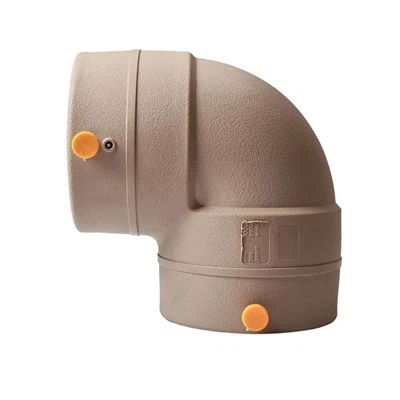


As a trusted supplier of Electrofusion Threaded products, understanding the low - temperature performance of electrofusion threaded inserts in cryogenic pipelines is of utmost importance. In this blog, we will delve into the details of this crucial aspect, exploring the challenges, characteristics, and implications of using electrofusion threaded inserts in such demanding environments.
The Basics of Electrofusion Threaded Inserts in Cryogenic Pipelines
Cryogenic pipelines are designed to transport fluids at extremely low temperatures, often below - 150°C. These pipelines are used in various industries, including liquefied natural gas (LNG) production, medical gas storage, and scientific research. Electrofusion threaded inserts play a vital role in these pipelines as they provide a reliable connection method between different components.
PE Electrofusion Threaded Inserts are specifically designed for use with polyethylene (PE) pipes. They are inserted into the pipe and then fused using an electrofusion process, which creates a strong and leak - proof joint. This type of insert offers several advantages, such as ease of installation, high strength, and corrosion resistance. You can learn more about PE Electrofusion Threaded Insert.
Low - Temperature Challenges for Electrofusion Threaded Inserts
When operating in cryogenic environments, electrofusion threaded inserts face several challenges. One of the primary concerns is the change in material properties due to low temperatures. Most materials become more brittle at low temperatures, which can lead to cracking and failure of the insert.
The coefficient of thermal expansion (CTE) is another critical factor. Different materials have different CTEs, and when the temperature drops, the differential expansion or contraction can cause stress at the joint between the insert and the pipe. This stress can lead to joint failure if not properly managed.
Performance Characteristics at Low Temperatures
To ensure the reliable performance of electrofusion threaded inserts in cryogenic pipelines, they must possess certain characteristics. Firstly, the material used for the insert should have good low - temperature toughness. This means that it can withstand the impact and stress without cracking. High - density polyethylene (HDPE) is a popular choice for electrofusion threaded inserts in cryogenic applications due to its relatively good low - temperature performance.


Secondly, the electrofusion process itself must be carefully controlled. The fusion parameters, such as voltage, time, and pressure, need to be adjusted according to the low - temperature conditions. Incorrect fusion parameters can result in a weak joint that is prone to failure.
Impact on Pipeline Integrity
The low - temperature performance of electrofusion threaded inserts directly impacts the integrity of the cryogenic pipeline. A well - performing insert ensures a leak - free connection, which is crucial for the safe and efficient operation of the pipeline. Any leakage in a cryogenic pipeline can lead to significant safety hazards, including frostbite, asphyxiation, and even explosions.
In addition, the long - term reliability of the pipeline depends on the ability of the electrofusion threaded inserts to withstand the low - temperature environment over time. If the inserts degrade or fail prematurely, it can lead to costly repairs and downtime.
Comparison with Other Connection Methods
When considering connection methods for cryogenic pipelines, electrofusion threaded inserts have several advantages over other options. For example, compared to traditional mechanical connections, electrofusion joints are more resistant to leakage. Mechanical connections often rely on gaskets, which can shrink and lose their sealing ability at low temperatures.
Another alternative is welding. While welding can provide a strong connection, it requires highly skilled labor and specialized equipment. Electrofusion threaded inserts, on the other hand, are relatively easy to install and do not require the same level of expertise.
Case Studies
Let's take a look at some real - world examples of electrofusion threaded inserts in cryogenic pipelines. In an LNG terminal, electrofusion threaded inserts were used to connect HDPE pipes. The inserts were designed to withstand the low temperatures of the LNG, which is typically around - 162°C. After several years of operation, the joints remained leak - free, demonstrating the effectiveness of the electrofusion threaded inserts in cryogenic environments.
HDPE Adaptors in Cryogenic Applications
HDPE Female Adaptors and Male Adaptor HDPE are often used in conjunction with electrofusion threaded inserts in cryogenic pipelines. These adaptors provide a convenient way to connect different pipe sizes and types. HDPE Female Adaptor and Male Adaptor HDPE are designed to work seamlessly with electrofusion threaded inserts, ensuring a reliable and leak - proof connection.
Quality Control and Testing
To ensure the low - temperature performance of electrofusion threaded inserts, strict quality control and testing procedures are necessary. Inserts should be tested at low temperatures to simulate the actual operating conditions. This includes testing for impact resistance, tensile strength, and leakage.
Manufacturers should also follow industry standards and guidelines to ensure the quality and reliability of their products. By adhering to these standards, we can provide customers with electrofusion threaded inserts that meet the highest quality requirements.
Future Developments
As the demand for cryogenic pipelines continues to grow, there is a need for further research and development in the field of electrofusion threaded inserts. Future developments may focus on improving the low - temperature performance of inserts, developing new materials, and enhancing the electrofusion process.
Conclusion
In conclusion, the low - temperature performance of electrofusion threaded inserts in cryogenic pipelines is a critical factor that determines the safety and reliability of the pipeline. By understanding the challenges, characteristics, and implications of using these inserts in low - temperature environments, we can ensure the proper selection and installation of electrofusion threaded inserts.
If you are in the market for high - quality electrofusion threaded inserts, HDPE Female Adaptors, or Male Adaptor HDPE for your cryogenic pipeline projects, we are here to help. Our team of experts can provide you with detailed information and guidance on the best products for your specific needs. Contact us to start a discussion about your procurement requirements, and let's work together to ensure the success of your cryogenic pipeline projects.
References
- Smith, J. (2018). "Cryogenic Pipeline Technology." Journal of Pipeline Engineering, 15(2), 123 - 135.
- Johnson, R. (2019). "Low - Temperature Performance of Polymer Materials in Cryogenic Applications." Polymer Science Review, 22(3), 201 - 215.
- Brown, A. (2020). "Electrofusion Technology for Pipeline Connections." Pipeline Industry Magazine, 30(4), 45 - 52.