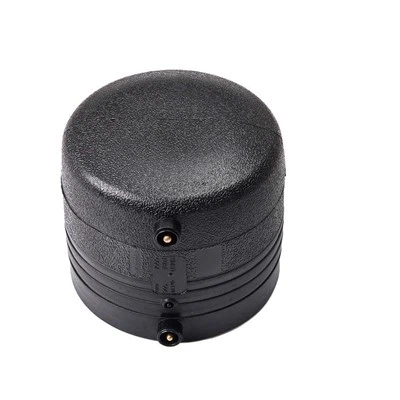


HDPE (High-Density Polyethylene) male adaptors have emerged as a crucial component in various industrial applications. As a leading supplier of HDPE male adaptors, I am often asked about the viability and effectiveness of these products in industrial settings. In this blog post, I will delve into the properties of HDPE male adaptors, their suitability for different industrial applications, and how they compare to other alternatives.
Properties of HDPE Male Adaptors
HDPE is a thermoplastic polymer known for its high strength-to-density ratio. HDPE male adaptors inherit these properties, making them robust and durable. They are resistant to a wide range of chemicals, including acids, alkalis, and solvents, which is a significant advantage in industrial environments where exposure to corrosive substances is common.
One of the key features of HDPE male adaptors is their flexibility. They can withstand a certain degree of bending and twisting without breaking, which is essential in applications where pipes may be subject to movement or vibration. This flexibility also allows for easier installation, as the adaptors can be adjusted to fit different angles and configurations.
Another important property of HDPE is its low friction coefficient. This means that fluids can flow through pipes fitted with HDPE male adaptors more smoothly, reducing energy consumption and minimizing the risk of blockages. Additionally, HDPE is non-toxic and safe for use in applications involving potable water, making it a popular choice in the water treatment and distribution industry.
Industrial Applications of HDPE Male Adaptors
Water and Wastewater Treatment
In the water and wastewater treatment industry, HDPE male adaptors are widely used to connect pipes of different sizes and materials. They are suitable for both above-ground and underground installations, thanks to their corrosion resistance and durability. The adaptors can be used to connect HDPE pipes to other types of pipes, such as PVC or metal, allowing for a seamless transition between different sections of the piping system.
Moreover, HDPE male adaptors are often used in filtration systems, where they connect the filter units to the main piping network. Their chemical resistance ensures that they can withstand the harsh chemicals used in the treatment process, such as chlorine and sulfuric acid.
Chemical Processing
The chemical processing industry requires piping systems that can handle a variety of corrosive and hazardous chemicals. HDPE male adaptors are an ideal choice for this application due to their excellent chemical resistance. They can be used to connect storage tanks, reactors, and other processing equipment, ensuring a leak-free and reliable connection.
In addition, HDPE's low friction coefficient helps to reduce the pressure drop in the piping system, improving the efficiency of the chemical processing operations. The adaptors can also be customized to meet the specific requirements of different chemical processes, such as high-temperature applications or applications involving abrasive chemicals.


Oil and Gas Industry
In the oil and gas industry, HDPE male adaptors are used in both onshore and offshore applications. They are commonly used to connect pipelines, valves, and other equipment in the production, transportation, and storage of oil and gas. The adaptors' resistance to corrosion and abrasion makes them suitable for use in harsh environments, such as offshore platforms and pipelines buried in the ground.
HDPE male adaptors can also be used in the oil and gas refining process, where they connect different units of the refinery, such as distillation columns and heat exchangers. Their flexibility and ease of installation make them a cost-effective solution for retrofitting existing piping systems.
Agricultural Irrigation
In the agricultural sector, HDPE male adaptors are used in irrigation systems to connect pipes, sprinklers, and other irrigation equipment. Their durability and resistance to UV radiation make them suitable for outdoor use, where they are exposed to sunlight and weather conditions. The adaptors can be used to create a network of pipes that distribute water efficiently to crops, reducing water waste and improving crop yields.
Comparison with Other Adaptor Materials
When compared to other materials such as metal or PVC, HDPE male adaptors offer several advantages. Metal adaptors are often heavy and prone to corrosion, especially in environments where they are exposed to moisture or chemicals. In contrast, HDPE adaptors are lightweight, corrosion-resistant, and require less maintenance.
PVC adaptors are also a popular choice, but they may not be as durable or chemical-resistant as HDPE. PVC can become brittle over time, especially in high-temperature or low-temperature environments, which can lead to cracks and leaks. HDPE, on the other hand, maintains its flexibility and strength over a wide range of temperatures.
Complementary Products
In addition to HDPE male adaptors, there are other related products that can be used in conjunction with them to enhance the performance of the piping system. For example, Female Thread Adaptor HDPE can be used to connect HDPE male adaptors to pipes with female threads. These adaptors provide a secure and leak-free connection, ensuring the integrity of the piping system.
HDPE Female Adaptor is another useful product that can be used in combination with HDPE male adaptors. They are designed to connect HDPE pipes to other components, such as valves or fittings, with male threads.
Poly Flange Adapter is also a valuable addition to the piping system. It can be used to connect HDPE pipes to flanged equipment, providing a strong and reliable connection that can withstand high pressures.
Conclusion
In conclusion, HDPE male adaptors are highly suitable for a wide range of industrial applications. Their excellent properties, such as corrosion resistance, flexibility, and low friction coefficient, make them a reliable and cost-effective choice for piping systems in various industries. Whether it's water treatment, chemical processing, oil and gas, or agricultural irrigation, HDPE male adaptors can provide a durable and efficient solution.
If you are looking for high-quality HDPE male adaptors or any of the complementary products mentioned above for your industrial project, please feel free to contact us. Our team of experts is ready to assist you in selecting the right products and providing you with the best solutions for your specific needs. We look forward to the opportunity to work with you and contribute to the success of your industrial applications.
References
- "Handbook of Thermoplastics" by O. Olabisi.
- "Polymer Science and Technology" by J. A. Brydson.
- Industry reports on piping systems and adaptor materials.