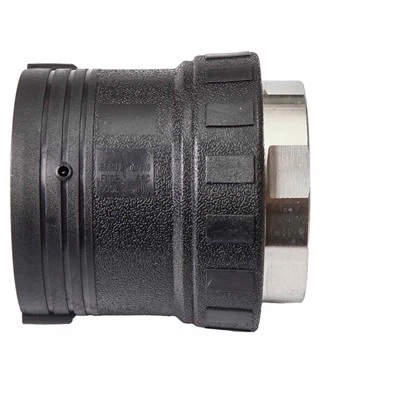


Hey there! As a PPR Electrofusion supplier, I often get asked if PPR electrofusion can be used in above - ground pipelines. So, I thought I'd dive into this topic and share some insights.
First off, let's talk a bit about what PPR electrofusion is. PPR, or Polypropylene Random Copolymer, is a type of plastic that's known for its durability, chemical resistance, and flexibility. PPR Electrofusion is a method of joining PPR pipes together using an electric current to heat up a special fitting. This causes the plastic to melt and fuse the pipes, creating a strong and leak - proof connection.
Now, can it be used in above - ground pipelines? The short answer is yes, but there are some factors to consider.
Advantages of Using PPR Electrofusion in Above - Ground Pipelines
1. Corrosion Resistance
Above - ground pipelines are exposed to various environmental elements like rain, humidity, and air pollutants. PPR is highly resistant to corrosion, which means it won't rust or corrode over time. This is a huge advantage compared to metal pipes, which can deteriorate quickly in such conditions. For example, if you have a water supply pipeline above the ground, using PPR electrofusion - joined pipes ensures that the water quality remains unaffected by rust particles.
2. Easy Installation
PPR electrofusion is relatively easy to install compared to other pipe - joining methods. You don't need a lot of specialized tools or a large crew. With the right training, a small team can quickly install above - ground pipelines. The electrofusion process is also less messy than traditional welding methods used for metal pipes. You just need to clean the pipe surfaces, insert them into the electrofusion fitting, and connect the power supply. Once the fusion is complete, you have a secure joint in no time.
3. Flexibility
PPR pipes have some degree of flexibility. This is useful for above - ground pipelines because they may be subject to vibrations, thermal expansion, or minor ground movements. The flexibility of PPR pipes allows them to withstand these stresses without cracking or breaking. For instance, if you have a pipeline running along a building facade and there are some minor vibrations from machinery inside the building, the PPR electrofusion - joined pipes can handle it better than rigid metal pipes.
4. Cost - Effective
In the long run, using PPR electrofusion for above - ground pipelines can be cost - effective. The initial cost of PPR pipes and electrofusion fittings is often lower than that of metal pipes. Additionally, since PPR is corrosion - resistant and durable, you'll save on maintenance and replacement costs over time. You won't have to worry about regular painting or coating to prevent corrosion, which is a common expense for metal pipes.
Disadvantages and Challenges
1. UV Exposure
One of the main challenges of using PPR electrofusion in above - ground pipelines is UV exposure. PPR is sensitive to ultraviolet rays from the sun. Prolonged exposure to sunlight can cause the PPR material to degrade, become brittle, and lose its strength. To overcome this, you can use UV - resistant coatings on the pipes or install them in shaded areas. Another option is to use insulation sleeves that also provide some protection against UV rays.
2. Temperature Limitations
PPR has temperature limitations. In extremely high - temperature environments, the pipes may soften and lose their shape. On the other hand, in very cold temperatures, they can become more brittle. When installing above - ground pipelines, you need to consider the local climate. If you're in an area with very hot summers or freezing winters, you may need to take extra precautions. For example, in hot climates, you can use insulation to keep the pipes cool, and in cold climates, you can use heat tracing to prevent the pipes from freezing.
3. Mechanical Damage
Above - ground pipelines are more prone to mechanical damage. They can be accidentally hit by vehicles, construction equipment, or other objects. While PPR pipes are relatively strong, they can still be damaged if subjected to a significant impact. To protect the pipes, you can install protective barriers or enclosures around the pipeline.
Types of PPR Electrofusion Fittings for Above - Ground Pipelines
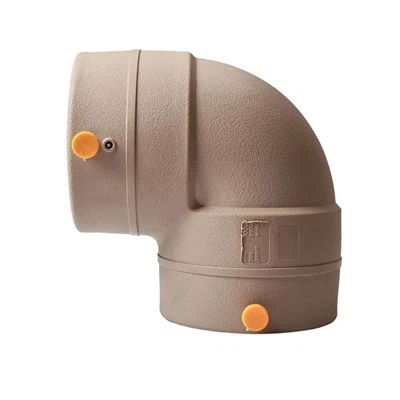
There are several types of PPR electrofusion fittings that are suitable for above - ground pipelines. Two common ones are the PPR Electrofusion 90 Degree Elbow and the PPR Electrofusion 45 Degree Elbow.
The 90 - degree elbow is used when you need to make a sharp turn in the pipeline. It's commonly used in building plumbing systems where the pipes need to change direction at right angles. The 45 - degree elbow, on the other hand, is used for more gradual turns. This can be useful in situations where you want to avoid sharp bends that could cause a reduction in water flow or increase the risk of blockages.
Conclusion
So, to sum it up, PPR electrofusion can definitely be used in above - ground pipelines. It offers many advantages such as corrosion resistance, easy installation, flexibility, and cost - effectiveness. However, you need to be aware of the challenges like UV exposure, temperature limitations, and mechanical damage. By taking the necessary precautions, you can ensure the long - term performance of your above - ground PPR electrofusion pipelines.


If you're considering using PPR electrofusion for your above - ground pipeline projects, I'd be more than happy to help. We're a leading supplier of high - quality PPR electrofusion products, and we can provide you with the right fittings and expert advice. Feel free to reach out for more information and to start a procurement discussion.
References
- "Plastic Pipes Handbook" by B. A. Kroon
- "Pipe Joining Technologies" by various industry experts