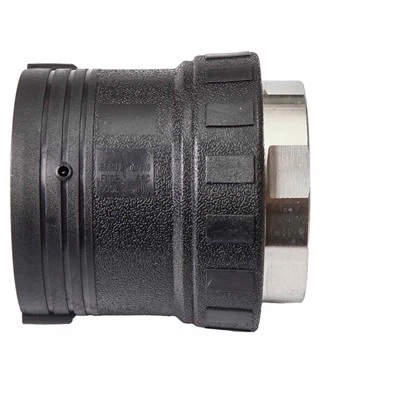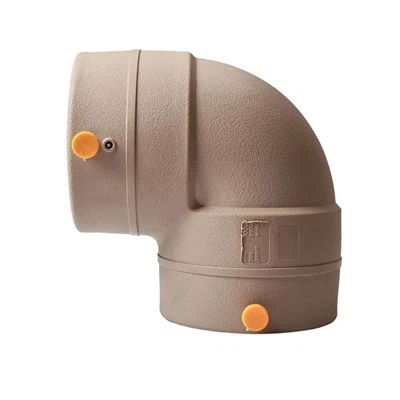


As a supplier of PPR Electrofusion Tee, I often encounter inquiries from customers about the suitability of our products for various applications. One common question that arises is whether PPR Electrofusion Tee can be used in compressed air pipelines. In this blog post, I will delve into this topic, examining the properties of PPR (Polypropylene Random Copolymer) and the factors to consider when using PPR Electrofusion Tee in compressed air systems.
Understanding PPR and Its Properties
PPR is a thermoplastic material widely used in plumbing and piping systems due to its excellent chemical resistance, high-temperature tolerance, and durability. It is known for its smooth inner surface, which reduces friction and pressure loss, making it an ideal choice for fluid transportation. PPR pipes and fittings are typically joined using electrofusion or butt fusion techniques, which create a strong, leak-proof bond.
One of the key advantages of PPR is its resistance to corrosion and scale formation, which helps to maintain the integrity of the pipeline over time. Additionally, PPR is lightweight, easy to install, and requires minimal maintenance, making it a cost-effective solution for many applications.
Compressed Air Pipeline Requirements
Compressed air systems are used in a wide range of industries, including manufacturing, automotive, and food processing. These systems require pipes and fittings that can withstand high pressures, temperature variations, and the presence of moisture and contaminants.
When selecting materials for compressed air pipelines, it is important to consider the following factors:
- Pressure Rating: Compressed air systems operate at high pressures, typically ranging from 80 to 120 psi (pounds per square inch). The pipes and fittings used in these systems must be able to withstand these pressures without leaking or failing.
- Temperature Resistance: Compressed air can generate heat during the compression process, which can cause the temperature of the pipeline to rise. The materials used in the pipeline must be able to withstand these temperature variations without deforming or losing their strength.
- Moisture and Contaminant Resistance: Compressed air often contains moisture and contaminants, such as oil, dirt, and rust. These substances can cause corrosion and damage to the pipeline over time. The materials used in the pipeline must be resistant to these contaminants to ensure the longevity of the system.
- Leakage Prevention: Compressed air systems require a high level of leak prevention to ensure efficient operation. The pipes and fittings used in these systems must be able to create a tight, leak-proof seal to prevent air from escaping.
Can PPR Electrofusion Tee Be Used in Compressed Air Pipelines?
The suitability of PPR Electrofusion Tee for compressed air pipelines depends on several factors, including the pressure rating, temperature resistance, and moisture and contaminant resistance of the PPR material.
Pressure Rating
PPR pipes and fittings are typically rated for a maximum operating pressure of 16 bar (232 psi). This pressure rating is sufficient for many compressed air applications, but it is important to ensure that the pressure rating of the PPR Electrofusion Tee is compatible with the operating pressure of the compressed air system.
Temperature Resistance
PPR has a maximum continuous operating temperature of 95°C (203°F). This temperature resistance is sufficient for most compressed air applications, but it is important to consider the temperature of the compressed air and the ambient temperature of the environment in which the pipeline is installed.
Moisture and Contaminant Resistance
PPR is resistant to most chemicals and contaminants, including water, oil, and dirt. However, it is important to ensure that the compressed air system is properly maintained to prevent the accumulation of moisture and contaminants in the pipeline. This can be achieved by installing a moisture separator and a filter in the system.
Leakage Prevention
PPR Electrofusion Tee is designed to create a strong, leak-proof bond when joined to PPR pipes using electrofusion techniques. This ensures that the compressed air system operates efficiently and safely.
Advantages of Using PPR Electrofusion Tee in Compressed Air Pipelines
There are several advantages to using PPR Electrofusion Tee in compressed air pipelines, including:
- Cost-Effective: PPR is a cost-effective alternative to traditional materials, such as steel and copper. It is lightweight, easy to install, and requires minimal maintenance, which helps to reduce the overall cost of the compressed air system.
- Corrosion Resistance: PPR is resistant to corrosion and scale formation, which helps to maintain the integrity of the pipeline over time. This reduces the risk of leaks and failures in the compressed air system.
- Smooth Inner Surface: PPR has a smooth inner surface, which reduces friction and pressure loss in the pipeline. This helps to improve the efficiency of the compressed air system and reduces energy consumption.
- Easy Installation: PPR Electrofusion Tee is easy to install using electrofusion techniques. This reduces the installation time and labor costs of the compressed air system.
Disadvantages of Using PPR Electrofusion Tee in Compressed Air Pipelines
There are also some disadvantages to using PPR Electrofusion Tee in compressed air pipelines, including:
- Limited Temperature Resistance: PPR has a limited temperature resistance compared to traditional materials, such as steel and copper. This may limit its use in applications where the compressed air temperature is high.
- Limited Pressure Rating: PPR has a limited pressure rating compared to traditional materials, such as steel and copper. This may limit its use in applications where the operating pressure of the compressed air system is high.
- UV Sensitivity: PPR is sensitive to UV radiation, which can cause the material to degrade over time. This may limit its use in outdoor applications.
Conclusion
In conclusion, PPR Electrofusion Tee can be used in compressed air pipelines under certain conditions. It is important to ensure that the pressure rating, temperature resistance, and moisture and contaminant resistance of the PPR material are compatible with the operating conditions of the compressed air system. Additionally, it is important to properly maintain the compressed air system to prevent the accumulation of moisture and contaminants in the pipeline.
If you are considering using PPR Electrofusion Tee in your compressed air pipeline, I recommend consulting with a qualified engineer or technician to ensure that the system is designed and installed correctly. You can also visit our website to learn more about our Electrofusion PPR products, including our PPR Electrofusion 90 Degree Elbow and PPR Electrofusion Tee.
If you have any questions or would like to discuss your specific requirements, please feel free to contact us. We are happy to provide you with more information and help you select the right products for your compressed air pipeline.


References
- "Polypropylene Random Copolymer (PPR) Pipes and Fittings: A Comprehensive Guide." Plastics Pipe Institute.
- "Compressed Air Systems: Design, Installation, and Maintenance." Compressed Air and Gas Institute.
- "PPR Pipes and Fittings for Plumbing Applications." International Association of Plumbing and Mechanical Officials.