


Hey there! As a supplier of PPR Electrofusion Tee, I often get asked if these tees can be used in marine applications. It's a great question, and I'm here to break it down for you.
First, let's talk a bit about what PPR Electrofusion Tee is. PPR, which stands for Polypropylene Random Copolymer, is a thermoplastic material known for its excellent chemical resistance, durability, and flexibility. The electrofusion technology allows for a strong and reliable joint by melting the fitting and the pipe together using an electric current.
Advantages in General Situations
In normal plumbing applications, PPR Electrofusion Tee is a champ. It can handle a variety of fluids, both hot and cold, and is resistant to corrosion. It's also lightweight, which makes installation a breeze. You don't need heavy - duty equipment to move and install these tees, unlike some metal alternatives. And let's not forget about its long lifespan. Once installed correctly, PPR tees can last for decades, saving you money on replacements.
Considering Marine Applications
When it comes to marine applications, the situation gets a bit more complex. The marine environment is harsh, with constant exposure to saltwater, high humidity, and varying temperatures. Saltwater is extremely corrosive, and it can quickly eat away at many materials. But PPR has some properties that make it a potential candidate for marine use.
Chemical Resistance
One of the biggest advantages of PPR in a marine setting is its chemical resistance. Saltwater is a mixture of various salts and minerals, and many common metals like iron and steel will corrode rapidly in such an environment. PPR, on the other hand, is highly resistant to these chemicals. Whether it's sodium chloride, the main component of saltwater, or other trace elements, PPR won't react easily. This means that a PPR Electrofusion Tee can potentially last a long time in saltwater without losing its structural integrity.

Flexibility and Vibration Resistance
Marine vessels are constantly in motion, and this creates vibrations. These vibrations can cause stress on pipes and fittings. PPR's flexibility allows it to absorb some of these vibrations, reducing the risk of cracks or leaks. Unlike rigid materials that may break under continuous vibration, PPR can bend slightly without failing. This is a crucial factor in maintaining a reliable plumbing system on a ship.
Installation Ease
In a marine environment, space can be limited, and access to plumbing areas may be difficult. The lightweight nature of PPR Electrofusion Tee makes it easier to transport and handle in tight spaces. The electrofusion welding process is also relatively simple compared to traditional welding methods used for metal pipes. With the right equipment, even in a confined shipboard environment, you can quickly and easily install these tees.
However, there are also some challenges.
UV Resistance
One of the drawbacks of PPR is its relatively poor UV resistance. In a marine environment, parts of the plumbing system may be exposed to sunlight, especially on open decks. Over time, UV rays can degrade the PPR material, making it brittle and more prone to cracking. To combat this, you can use UV - resistant coatings or install the pipes in shaded areas.
Temperature Variations
Marine environments can experience large temperature swings, from cold nights to hot days. PPR has a certain temperature range within which it performs optimally. Extreme cold can make the material more brittle, while extreme heat can cause it to soften. When using PPR Electrofusion Tee in marine applications, proper insulation and temperature control measures need to be considered.
Now, let's look at some scenarios where PPR Electrofusion Tee can be used in marine applications:
Freshwater Systems on Ships
Most ships have freshwater systems for drinking, cooking, and cleaning. PPR Electrofusion Tee can be an excellent choice for these systems. The chemical resistance of PPR ensures that the water remains clean and free from contaminants leached from the pipes. The ease of installation is also beneficial when dealing with the complex layout of shipboard plumbing. For example, when you need to branch off a freshwater line to supply different cabins or areas on the ship, a PPR Electrofusion Tee can do the job effectively.
Cooling Systems
Some marine engines use water - cooled systems. PPR can be used in the non - critical parts of these cooling systems, especially where the water is relatively clean. The flexibility of PPR helps to absorb the vibrations generated by the engine, and its chemical resistance protects against corrosion. If you're interested in our PPR products for such applications, you can check out our PPR Electrofusion page for more details.
Drainage Systems
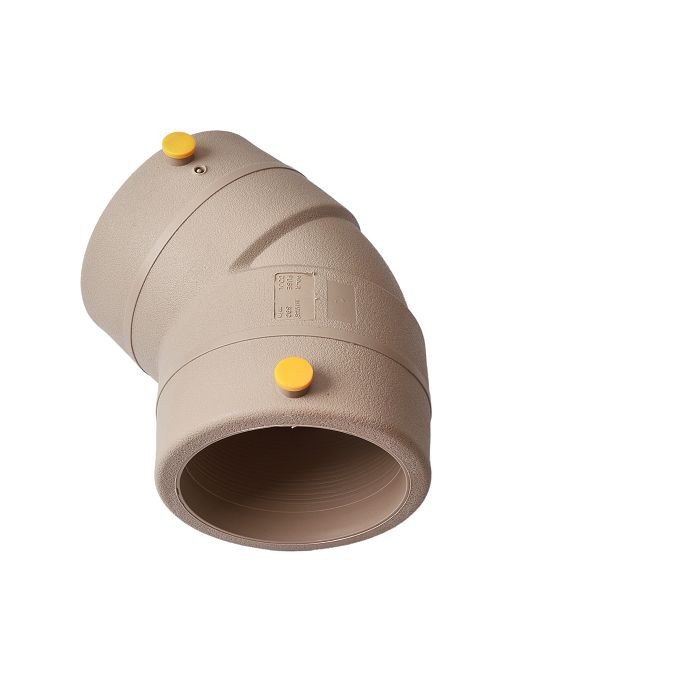
On a ship, there are various drainage systems for removing waste water, rainwater, etc. PPR Electrofusion Tee can be used in these systems as well. The durability and chemical resistance of PPR make it suitable for handling different types of waste water. And if you need to change the direction of the drainage pipes, our PPR Electrofusion 45 Degree Elbow can be a great addition to the system.
Joining Pipes
When you need to connect two pipes together in a marine plumbing system, our PPR Electrofusion Coupler can work in tandem with the PPR Electrofusion Tee. This combination provides a secure and leak - free connection, which is essential in a marine environment where a small leak can quickly turn into a big problem.
In conclusion, while there are some challenges to using PPR Electrofusion Tee in marine applications, the benefits often outweigh the drawbacks. With proper consideration of factors like UV protection and temperature control, PPR tees can be a reliable and cost - effective solution for marine plumbing systems.
If you're in the market for PPR Electrofusion Tee or any other PPR electrofusion fittings for your marine application, I'd love to have a chat with you. I can provide you with more detailed information, answer your questions, and help you find the right products for your specific needs. Let's talk about how we can work together to build a great plumbing system for your marine vessel!
References
- Data on PPR material properties from industry research papers.
- Case studies of PPR use in plumbing applications.
- Practical experience in supplying PPR Electrofusion Tees.


