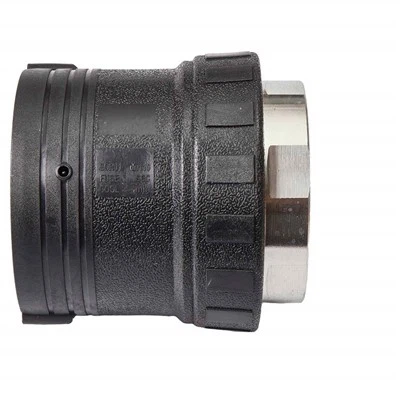


Hey there! As a supplier of PPR electrofusion fittings, I often get asked if these fittings require special tools for installation. Well, let's dive right into it and find out.
First off, what are PPR electrofusion fittings? PPR, or polypropylene random copolymer, is a popular material for plumbing systems due to its durability, corrosion resistance, and ease of installation. Electrofusion fittings are a type of connection that uses an electric current to melt the fitting and the pipe together, creating a strong and leak - proof joint.
Now, back to the question: do they need special tools? The short answer is yes, but it's not as complicated as it might sound.
The primary tool you'll need for installing PPR electrofusion fittings is an electrofusion welding machine. This machine is specifically designed to provide the right amount of electrical current to heat the heating coils inside the electrofusion fitting. These heating coils are embedded in the fitting, and when the right amount of current is applied, they heat up, melting the plastic of both the fitting and the pipe. Once the plastic cools, it forms a seamless and strong bond.
There are different types of electrofusion welding machines available on the market. Some are small and portable, which are great for on - site installations where you might need to move around a lot. Others are larger and more powerful, suitable for big - scale projects.
Another important tool is a pipe cutter. You need to cut the PPR pipes to the right length before installing the electrofusion fittings. A good quality pipe cutter will give you a clean and straight cut, which is crucial for a proper connection. If the cut is uneven, it can lead to a weak joint or even leaks.
You'll also need a pipe scraper. PPR pipes have a thin outer layer that needs to be removed before welding. The pipe scraper is used to scrape off this layer, ensuring better contact between the pipe and the fitting during the electrofusion process.
Let's talk a bit about the installation process. First, you measure and cut the PPR pipe using the pipe cutter. Then, you use the pipe scraper to remove the outer layer of the pipe at the joint area. After that, you insert the pipe into the electrofusion fitting up to the marked depth. Make sure the pipe is fully inserted and centered in the fitting.
Next, you connect the electrofusion welding machine to the fitting using the appropriate connectors. The machine will then start applying the electric current according to the specifications of the fitting. The time and current required depend on the size of the fitting and the pipe. You need to follow the manufacturer's instructions carefully to ensure a proper weld.
Once the welding process is complete, you need to let the joint cool down. Do not move or disturb the joint during this cooling period, as it can affect the quality of the bond.


Now, let's take a look at some of the popular PPR electrofusion fittings we offer. We have the PPR Electrofusion 45 Degree Elbow, which is great for changing the direction of the pipe by 45 degrees. It's commonly used in plumbing systems where space is limited or when you need to make a smooth turn.
Another useful fitting is the PPR Electrofusion Tee. This fitting allows you to connect three pipes together, creating a branching point in your plumbing system. It's very handy for distributing water to different areas.
And of course, we also have Electrofusion PPR fittings in various shapes and sizes to meet different installation needs.
The use of special tools for PPR electrofusion fittings is essential for a successful installation. These tools ensure that the joints are strong, leak - proof, and long - lasting. While it might seem a bit intimidating at first, with the right tools and a bit of practice, you can easily install PPR electrofusion fittings yourself.
If you're in the market for high - quality PPR electrofusion fittings, we're here to help. We offer a wide range of products that are made from top - grade materials and are designed to meet the highest industry standards. Whether you're a professional plumber or a DIY enthusiast, we have the right fittings for your project.
If you have any questions or want to discuss your specific requirements, feel free to reach out. We're always happy to assist you in finding the best solutions for your plumbing needs. Contact us to start a procurement discussion and let's work together to make your plumbing project a success.
References:
- Manufacturer's manuals for PPR electrofusion fittings and welding machines
- Industry standards for PPR plumbing installations