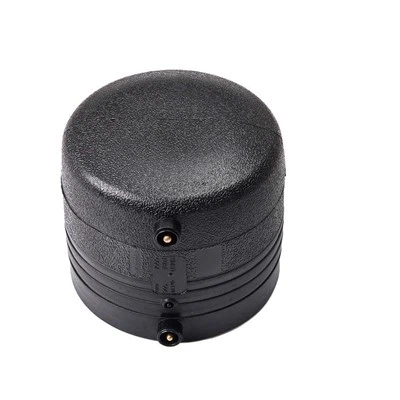


As a supplier of HDPE male adaptors, I've encountered numerous inquiries regarding leakage prevention. Leakage from an HDPE male adaptor can be a persistent issue, leading to inefficiencies, potential damage, and increased costs. In this blog, I'll share some practical strategies and best practices to prevent leakage from HDPE male adaptors.
Understanding HDPE Male Adaptors
Before delving into leakage prevention, it's essential to understand what HDPE male adaptors are and how they function. HDPE, or High - Density Polyethylene, is a thermoplastic polymer known for its high strength - to - density ratio, chemical resistance, and durability. Male adaptors are components designed to connect different pipes or fittings, where the male end fits into a corresponding female end, such as a HDPE Female Adaptor.
HDPE male adaptors are commonly used in various industries, including water supply, irrigation, and chemical processing. They play a crucial role in ensuring a secure and reliable connection between different parts of a piping system.
Common Causes of Leakage
To effectively prevent leakage, we first need to identify the common causes. One of the primary causes is improper installation. If the male adaptor is not inserted correctly into the female fitting, or if the connection is not tightened adequately, it can lead to gaps through which fluid can escape.
Another cause is damage to the adaptor or the mating fitting. Scratches, cuts, or other forms of physical damage can compromise the integrity of the seal. Environmental factors also play a role. Extreme temperatures, for example, can cause the HDPE material to expand or contract, which may lead to loosening of the connection over time. Chemical exposure can also degrade the HDPE material, reducing its sealing ability.
Strategies for Leakage Prevention
1. Proper Installation
Proper installation is the foundation of leakage prevention. Before installation, ensure that both the male adaptor and the female fitting are clean and free from debris. Any dirt, dust, or foreign particles can prevent a proper seal. Use a clean cloth to wipe the surfaces and inspect them for any signs of damage.
When inserting the male adaptor into the female fitting, make sure it is aligned correctly. Apply a consistent and even force to push the adaptor in until it reaches the proper depth. If the connection requires tightening, use the appropriate tools and follow the manufacturer's torque specifications. Over - tightening can damage the threads or the HDPE material, while under - tightening can result in a loose connection.
2. Use of Sealants
Sealants can provide an additional layer of protection against leakage. There are various types of sealants available for HDPE connections, such as thread sealants and gasket sealants. Thread sealants are applied to the threads of the male adaptor before installation. They fill in the gaps between the threads, preventing fluid from leaking out.


Gasket sealants are used in conjunction with gaskets. A gasket is a mechanical seal that fills the space between two or more mating surfaces to prevent leakage. Applying a gasket sealant to the gasket can improve its sealing performance. However, it's important to choose a sealant that is compatible with HDPE to avoid any chemical reactions that could damage the material.
3. Quality Control
As a supplier, I place great emphasis on quality control. All our Male Adaptor HDPE products undergo rigorous testing to ensure they meet the highest standards. We inspect the adaptors for any defects, such as uneven threads, cracks, or surface irregularities. By providing high - quality products, we can reduce the risk of leakage due to manufacturing flaws.
4. Regular Maintenance and Inspection
Regular maintenance and inspection are essential for long - term leakage prevention. Periodically check the connections for any signs of leakage, such as wet spots, drips, or changes in pressure. If any issues are detected, address them immediately. This may involve tightening the connection, replacing a damaged sealant or gasket, or even replacing the adaptor if it is severely damaged.
Inspect the HDPE male adaptors for any signs of wear and tear, especially in high - stress areas. Environmental factors can also affect the performance of the adaptors, so it's important to monitor the operating conditions and make adjustments as necessary.
5. Compatibility with Mating Fittings
Ensure that the HDPE male adaptor is compatible with the mating fitting. Different types of HDPE materials may have different properties, and using an incompatible fitting can lead to leakage. Check the specifications of both the adaptor and the fitting to ensure they are designed to work together.
In some cases, it may be necessary to use an intermediate fitting, such as a Poly Flange Adapter, to ensure a proper connection between different types of pipes or fittings. These intermediate fittings can provide a more secure and reliable seal.
Conclusion
Preventing leakage from HDPE male adaptors requires a combination of proper installation, the use of appropriate sealants, quality control, regular maintenance, and ensuring compatibility with mating fittings. By following these strategies, you can significantly reduce the risk of leakage and ensure the long - term performance of your piping system.
If you are in the market for high - quality HDPE male adaptors or have any questions regarding leakage prevention, I encourage you to reach out. Our team of experts is ready to assist you with your specific needs and provide you with the best solutions for your piping systems. Contact us to start a conversation about your procurement requirements and let's work together to build a reliable and leak - free piping infrastructure.
References
- "HDPE Pipe and Fittings Handbook" - Industry publication on HDPE products and their applications.
- Manufacturer's guidelines for HDPE male adaptors and related fittings.
- Research papers on polymer materials and their performance in piping systems.