


Hey there! As a supplier of flange adaptors for HDPE pipes, I've seen firsthand how crucial it is to pick the right flange adaptor. It can make or break your piping system, so I'm here to share some tips on how to choose the perfect one for your HDPE pipes.
Understanding HDPE Pipes and Flange Adaptors
First off, let's quickly talk about HDPE pipes. HDPE, or High - Density Polyethylene, is a popular choice for piping systems because it's durable, resistant to corrosion, and flexible. But when you need to connect these HDPE pipes to other components like valves, pumps, or other pipes made of different materials, that's where flange adaptors come in.
Flange adaptors act as a bridge between the HDPE pipe and the other component. They provide a secure and leak - free connection, which is super important for the overall performance of your system.
Size Matters
One of the most important factors when choosing a flange adaptor for HDPE pipes is the size. You need to make sure that the adaptor matches the size of your HDPE pipe. Measure the outer diameter (OD) of your HDPE pipe accurately. Most flange adaptors are sized according to the standard pipe sizes, so having the correct OD measurement will help you find the right fit.
If you choose an adaptor that's too small, it won't fit over the pipe properly, and you'll end up with a weak connection that could leak. On the other hand, if it's too large, it won't provide a tight seal, and you might face the same leakage issues. So, take your time to measure and double - check before making a purchase.
Pressure Rating
Another key consideration is the pressure rating of the flange adaptor. The pressure rating indicates the maximum amount of pressure that the adaptor can handle without failing. You need to know the operating pressure of your HDPE piping system. This includes the normal working pressure as well as any potential pressure surges that might occur.
For example, if your system operates at a relatively low pressure, say around 50 psi, you don't need an adaptor with an extremely high - pressure rating. But if your system has high - pressure applications, like in industrial settings where pressures can reach several hundred psi, you'll need an adaptor with a high - pressure rating to ensure safety and reliability.

Material Compatibility
The material of the flange adaptor is also vital. Since it's connecting to an HDPE pipe, the adaptor should be compatible with HDPE. Some adaptors are made of materials like stainless steel, ductile iron, or even HDPE itself.
Stainless steel adaptors are great because they're corrosion - resistant, which is important if your piping system is exposed to harsh chemicals or outdoor elements. Ductile iron adaptors are strong and can handle high pressures, but they might need some protection against corrosion.
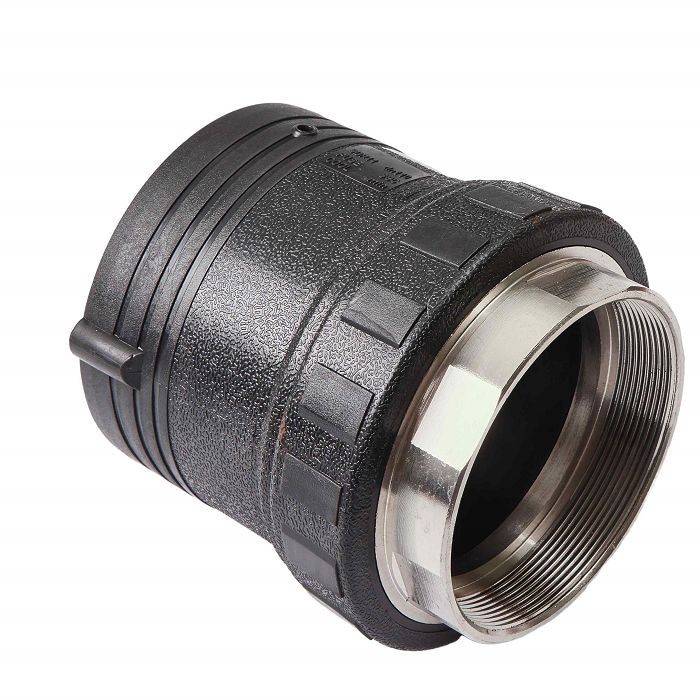
If you want a fully HDPE - compatible option, there are Electrofusion Threaded adaptors available. These are specifically designed for HDPE pipes and use electrofusion technology to create a strong, seamless connection.
Type of Connection
There are different types of connections when it comes to flange adaptors for HDPE pipes. Two common types are threaded connections. You have Female Thread Adapter HDPE and Male Thread Adaptor HDPE.
The choice between female and male threaded adaptors depends on the components you're connecting. If you're connecting to a component with a male thread, you'll need a female - threaded adaptor, and vice versa. Make sure to check the thread size and pitch as well to ensure a proper fit.
End - Use Application
Think about the end - use application of your HDPE piping system. Is it for a water supply system, a sewage system, or an industrial process? Different applications have different requirements.
For a water supply system, you'll need an adaptor that meets the relevant health and safety standards. It should be non - toxic and not contaminate the water. In a sewage system, the adaptor needs to be resistant to the corrosive effects of sewage and waste. Industrial applications might require adaptors that can withstand high temperatures, chemicals, or abrasive materials.
Quality and Certification
Always look for flange adaptors that are of high quality and have the necessary certifications. Reputable manufacturers will have their products tested and certified to meet industry standards. Certifications like ISO 9001, which indicates a quality management system, or other industry - specific certifications, can give you peace of mind that the product is reliable and safe to use.
Cost - Effectiveness
While quality is important, you also need to consider the cost. Don't just go for the cheapest option, as it might not be the best in terms of performance and durability. But at the same time, you don't want to overspend on features that you don't really need.
Compare prices from different suppliers, but also factor in the long - term costs. A slightly more expensive but high - quality adaptor might save you money in the long run by reducing the need for frequent replacements and repairs.
Installation Ease
Lastly, think about how easy the flange adaptor is to install. Some adaptors come with detailed installation instructions and are designed for easy installation, even for those with limited plumbing experience. If you're planning to install the adaptor yourself, look for one that has a straightforward installation process.
In conclusion, choosing the right flange adaptor for your HDPE pipe involves considering multiple factors such as size, pressure rating, material compatibility, type of connection, end - use application, quality, cost - effectiveness, and installation ease. By taking the time to evaluate these factors, you can ensure that you select an adaptor that will provide a reliable and long - lasting connection for your piping system.
If you're in the market for a flange adaptor for your HDPE pipes, I'd love to help. I'm a supplier with a wide range of high - quality flange adaptors that meet all the criteria we've discussed. Just reach out to start a conversation about your specific needs, and we can work together to find the perfect solution for your project.
References
- Industry standards for HDPE pipes and flange adaptors
- Manufacturer's product catalogs and technical specifications
- Previous experience and case studies in the field of HDPE piping systems


