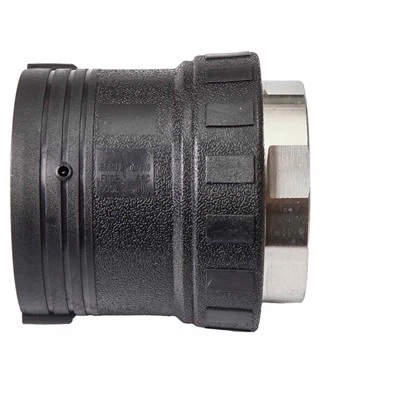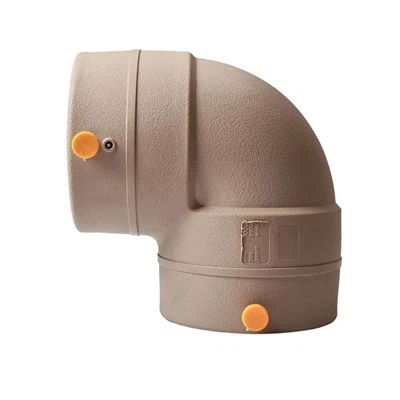


Connecting an HDPE male adapter to a flexible hose is a common task in various plumbing and fluid - handling systems. As an HDPE male adapter supplier, I understand the importance of a proper connection for ensuring the efficient and safe operation of these systems. In this blog post, I will guide you through the step - by - step process of making this connection, discuss the tools and materials you'll need, and provide some useful tips to make the job easier.
Tools and Materials Required
Before you start the connection process, gather the following tools and materials:
- HDPE male adapter: You can find a wide range of Male Adaptor HDPE on our website. Make sure to choose an adapter that is compatible with the size and type of your flexible hose.
- Flexible hose: The hose should be in good condition, with no cuts, tears, or signs of wear.
- Wrenches: A pair of adjustable wrenches or pipe wrenches is necessary for tightening the connection.
- Teflon tape: This tape helps to create a watertight seal between the threads of the adapter and the hose.
- Measuring tape: Use a measuring tape to ensure that the adapter and the hose are of the correct size.
- Safety equipment: Wear safety glasses and gloves to protect yourself from any potential hazards during the installation process.
Pre - installation Checks
- Size Check: Measure the diameter of the flexible hose and the male adapter. They should be a perfect match. An incorrect size can lead to leaks or a loose connection.
- Inspection: Examine both the HDPE male adapter and the flexible hose for any damage. Check the threads of the adapter for burrs or nicks that could affect the connection.
- Cleaning: Clean the ends of the hose and the adapter to remove any dirt, debris, or moisture. A clean surface will ensure a better seal.
Step - by - Step Connection Process
- Apply Teflon Tape: Take the Teflon tape and start wrapping it around the male threads of the HDPE adapter. Wrap the tape in a clockwise direction, ensuring that the tape is tight and covers all the threads. Make 3 - 5 wraps to create a good seal. The tape will prevent leaks and make it easier to tighten the connection.
- Align the Hose and Adapter: Hold the flexible hose and the HDPE male adapter in position. Insert the male end of the adapter into the female end of the hose. Make sure the adapter is centered and aligned properly.
- Initial Tightening: Use your hand to turn the adapter clockwise into the hose. Tighten it as much as you can by hand. This initial tightening will help to get the threads started and prevent cross - threading.
- Use Wrenches for Final Tightening: Once you can no longer tighten the adapter by hand, use a pair of wrenches. Place one wrench on the adapter and the other on the hose. Turn the wrenches in opposite directions to tighten the connection further. Be careful not to overtighten, as this can damage the adapter or the hose. A general rule of thumb is to tighten the connection an additional 1/4 to 1/2 turn after hand - tightening.
Alternative Connection Methods
In some cases, you may need to use different connection methods. For example, if you are dealing with high - pressure applications or a more permanent connection, you might consider using an Electrofusion Threaded adapter. This method involves using electricity to heat the joint between the adapter and the hose, creating a strong and seamless bond.


- Prepare the Electrofusion Adapter: Follow the manufacturer's instructions to prepare the electrofusion adapter. This may involve cleaning the surfaces and inserting the adapter into the correct position.
- Connect the Electrofusion Equipment: Use the appropriate electrofusion equipment to connect the adapter and the hose. The equipment will provide the necessary electrical current to heat the joint.
- Monitor the Process: During the electrofusion process, monitor the equipment closely. The process usually takes a few minutes, and you need to ensure that the joint is heated evenly.
- Cooling and Inspection: After the electrofusion process is complete, allow the joint to cool down. Once cooled, inspect the joint for any signs of damage or leakage.
Troubleshooting
- Leakage: If you notice a leak after making the connection, first check if the connection is tight. You may need to use the wrenches to tighten it a little more. If the leak persists, remove the Teflon tape and re - wrap it, then try tightening the connection again. In some cases, the adapter or the hose may be damaged, and you will need to replace them.
- Cross - threading: Cross - threading occurs when the threads of the adapter and the hose do not align properly during the initial connection. If you suspect cross - threading, carefully remove the adapter and start over. Make sure to align the threads correctly before tightening.
Tips for a Successful Connection
- Use Quality Products: Invest in high - quality HDPE male adapters and flexible hoses. As a supplier, I can attest to the fact that using reliable products will reduce the risk of leaks and other issues.
- Follow the Instructions: Always read and follow the manufacturer's instructions for both the adapter and the hose. Different products may have specific installation requirements.
- Test the Connection: Before putting the system into full operation, test the connection with a small amount of fluid. Check for any signs of leakage or pressure problems.
Connecting to Female Threaded Adapters
In some plumbing setups, you may need to connect the HDPE male adapter to an HDPE Female Threaded Adaptor. The process is similar to connecting to a flexible hose.
- Apply Teflon Tape: Wrap the Teflon tape around the male threads of the HDPE adapter, following the same clockwise direction and number of wraps as before.
- Insert and Tighten: Insert the male adapter into the female threaded adapter and start tightening by hand. Once hand - tight, use the wrenches to tighten the connection further, but be careful not to overtighten.
Conclusion
Connecting an HDPE male adapter to a flexible hose is a straightforward process if you have the right tools, materials, and knowledge. By following the steps outlined in this blog post, you can ensure a safe and reliable connection. Whether you are working on a small DIY project or a large - scale plumbing system, using our high - quality HDPE male adapters will make the job easier and more efficient.
If you are interested in purchasing our HDPE male adapters or have any questions about the products or the connection process, feel free to reach out to us for a procurement discussion. We are here to help you find the best solutions for your plumbing needs.
References
- Manufacturer's manuals for HDPE male adapters and flexible hoses.
- Plumbing industry standards and guidelines.