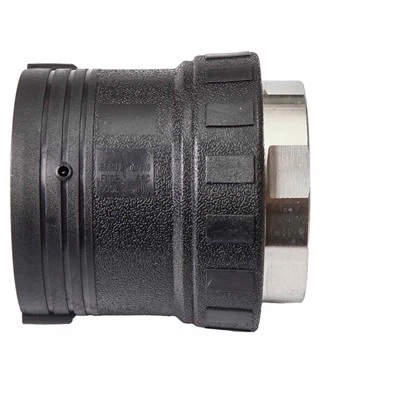


As a provider of HDPE electrofusion fittings, ensuring the long - term performance of these products is not only our responsibility but also crucial for maintaining high - quality standards in the industry. HDPE electrofusion fittings are widely used in various pipeline systems, such as water supply, gas distribution, and industrial fluid transportation. Their long - term performance directly affects the safety, efficiency, and reliability of these systems.
1. Selecting High - Quality Raw Materials
The first step in ensuring the long - term performance of HDPE electrofusion fittings is to select high - quality raw materials. High - Density Polyethylene (HDPE) is the primary material for these fittings. The resin used should have consistent physical and chemical properties, including high density, excellent tensile strength, and good environmental stress cracking resistance.
We always source our HDPE resin from reputable suppliers. We conduct thorough quality checks on incoming materials, including tests for melt flow index, density, and carbon black content. Carbon black is an important additive in HDPE, which provides protection against ultraviolet (UV) radiation. Adequate carbon black content ensures that the fittings remain stable when exposed to sunlight, thus preventing premature degradation.
For example, when we manufacture Electrofusion HDPE Pipe, we ensure that the HDPE raw material meets the relevant international standards, such as ISO 4437 or ASTM D3350. This compliance guarantees that the pipes have the necessary strength and durability to withstand the internal pressure and external forces during long - term use.
2. Precise Manufacturing Processes
Precise manufacturing processes are essential for producing high - quality HDPE electrofusion fittings. Our manufacturing facilities are equipped with advanced production equipment and adhere to strict process control procedures.
Extrusion
In the extrusion process, the HDPE resin is melted and formed into the desired shape. The temperature, pressure, and speed of the extruder need to be carefully controlled to ensure uniform thickness and consistent quality of the fittings. We use temperature sensors and pressure gauges to monitor and adjust these parameters in real - time. For instance, the extrusion temperature for HDPE should be within a specific range to prevent over - melting or under - melting, which can affect the mechanical properties of the final product.
Injection Molding
For some complex - shaped fittings, such as PE Electrofusion Tee PN20, injection molding is used. In this process, the molten HDPE is injected into a mold under high pressure. The mold design is critical, as it determines the shape and dimensions of the fitting. We use computer - aided design (CAD) and computer - aided manufacturing (CAM) techniques to ensure accurate mold design and manufacturing. After injection molding, the fittings are cooled slowly to relieve internal stresses and improve their dimensional stability.
Electrofusion Coil Embedding
In electrofusion fittings, a heating coil is embedded to facilitate the fusion process. The embedding of the coil must be precise and uniform. The coil turns should be evenly spaced, and the coil resistance should be within a narrow tolerance range. We use automated equipment to embed the coils, which can ensure high - precision placement. After embedding, we conduct electrical tests on each fitting to verify the coil's performance.
3. Rigorous Quality Control
Rigorous quality control is an indispensable part of ensuring the long - term performance of HDPE electrofusion fittings. Our quality control system covers every stage of the production process, from raw material inspection to finished product testing.
In - process Inspection
During the manufacturing process, we conduct in - process inspections at regular intervals. For example, in the extrusion process, we measure the wall thickness and outer diameter of the pipes at different positions to ensure they meet the specified tolerances. In the injection molding process, we check the appearance of the fittings for any defects, such as cracks, porosity, or flash. Any non - conforming products are immediately removed from the production line for rework or disposal.
Finished Product Testing
After the production is completed, our finished HDPE electrofusion fittings undergo a series of comprehensive tests. These include hydrostatic pressure tests, electrical resistance tests, and environmental stress cracking resistance tests. In the hydrostatic pressure test, the fitting is filled with water and pressurized to a certain level for a specified period. This test simulates the actual working conditions of the fitting and verifies its ability to withstand internal pressure without leakage or rupture. The electrical resistance test checks the integrity of the heating coil in the electrofusion fitting. The environmental stress cracking resistance test evaluates the fitting's resistance to cracking under the combined action of stress and environmental factors.
4. Proper Installation and Operation
Even the highest - quality HDPE electrofusion fittings may not perform well in the long term if they are not installed and operated properly. Therefore, we provide detailed installation instructions and training services to our customers.
Installation Guidelines
Our installation guidelines cover all aspects of the installation process, including surface preparation, fitting positioning, and fusion parameters. Before installation, the pipe and fitting surfaces must be cleaned thoroughly to remove any dirt, grease, or oxidation layers. The pipe should be cut straightly to ensure a proper fit with the fitting. During the fusion process, the correct voltage and time settings must be used according to the specifications of the fitting. For example, when using an Electrofusion HDPE Coupler, we provide specific fusion parameters based on the size and type of the coupler.
Operator Training
We also offer operator training programs to ensure that the installation personnel are familiar with the installation procedures and safety requirements. Our training courses include theoretical lectures and practical demonstrations. By the end of the training, the operators should be able to install the HDPE electrofusion fittings correctly and efficiently, reducing the risk of installation - related failures.


5. Regular Maintenance and Monitoring
After installation, regular maintenance and monitoring of the HDPE electrofusion fitting system are necessary to ensure its long - term performance.
Maintenance
We recommend that our customers carry out regular inspections of the pipeline system. This includes checking for any signs of leakage, deformation, or damage to the fittings. If any problems are found, they should be repaired or replaced in a timely manner. In addition, the pipeline system should be cleaned periodically to remove any debris or deposits that may affect the flow rate or cause corrosion.
Monitoring
Monitoring the operating parameters of the pipeline system, such as pressure, temperature, and flow rate, can help detect any potential issues early. We suggest that our customers install monitoring devices at key points in the system. Continuous monitoring of these parameters can provide valuable information about the performance of the HDPE electrofusion fittings and the overall pipeline system. Anomalies in the operating parameters may indicate a problem with the fittings, such as a leak or a blockage, allowing for prompt intervention.
In conclusion, ensuring the long - term performance of HDPE electrofusion fittings requires a comprehensive approach, from raw material selection to regular maintenance and monitoring. At our company, we are committed to providing high - quality HDPE electrofusion fittings and related services. We believe that by adhering to strict quality control standards and offering professional support, we can help our customers achieve reliable and long - lasting pipeline systems.
If you are interested in our HDPE electrofusion fittings or have any questions about their application and performance, please feel free to contact us for further discussion and procurement negotiations.
References
- ISO 4437: Plastics piping systems - High - density polyethylene (HDPE) pipes and fittings for water supply - Melt mass - flow rate (MFR) of the materials in the as - moulded condition.
- ASTM D3350: Standard Specification for Polyethylene Plastics Pipe and Fittings Materials.