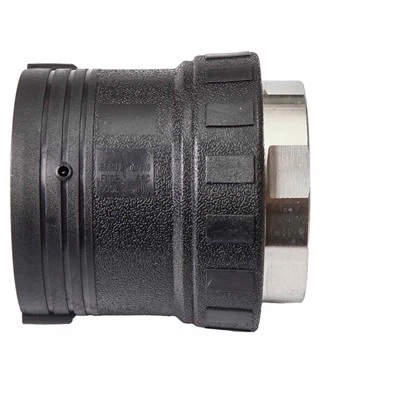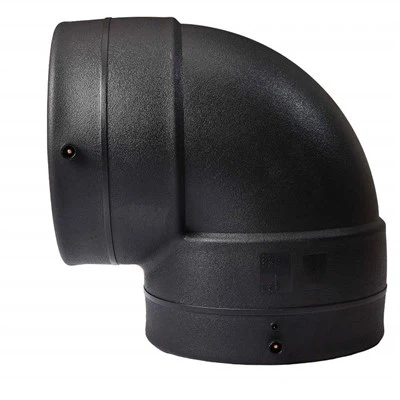


Installing an HDPE male adapter in a curved pipe might seem like a daunting task, but with the right knowledge and tools, it can be accomplished efficiently. As a supplier of high - quality HDPE male adapters, I'm here to guide you through the process step by step.
Understanding HDPE Male Adapters
Before we dive into the installation process, let's first understand what an HDPE male adapter is. An HDPE Male Adapter is a crucial component in piping systems. Made from High - Density Polyethylene (HDPE), these adapters are known for their durability, corrosion resistance, and flexibility. They are designed to connect pipes of different sizes or materials, and in the case of a male adapter, it has external threads that can be screwed into a female - threaded fitting.


There are also Male Thread Adaptor HDPE which are specifically designed with threaded ends for easy connection. And Flange Adaptor for HDPE Pipe which are used when a more secure, bolted connection is required.
Tools and Materials Needed
To install an HDPE male adapter in a curved pipe, you'll need the following tools and materials:
- HDPE Male Adapter: Ensure that the adapter you choose is of the correct size and specifications for your pipe.
- Pipe Cutter: A sharp pipe cutter is essential for cutting the curved pipe to the appropriate length.
- Deburring Tool: This tool is used to remove any rough edges from the cut pipe, ensuring a smooth connection.
- Measuring Tape: Accurate measurements are crucial for a proper fit.
- Welding Machine (if required): In some cases, welding the HDPE male adapter to the pipe might be necessary. Make sure you have a suitable HDPE welding machine.
- Thread Sealant: This helps to prevent leaks by creating a tight seal between the threads of the adapter and the fitting.
Step - by - Step Installation Process
Step 1: Measure and Mark
The first step is to measure the curved pipe to determine the exact location where the HDPE male adapter will be installed. Use a measuring tape to mark the spot accurately. Make sure to account for any bends or curves in the pipe, as this will affect the alignment of the adapter.
Step 2: Cut the Pipe
Once you have marked the location, use a pipe cutter to cut the curved pipe at the marked point. Be careful to make a clean, straight cut. If the cut is uneven, it can lead to problems during the installation process and may cause leaks.
Step 3: Deburr the Pipe
After cutting the pipe, use a deburring tool to remove any rough edges or burrs from the cut end of the pipe. This will ensure a smooth surface for the adapter to be installed on and prevent damage to the adapter or the seal.
Step 4: Prepare the Adapter
If the HDPE male adapter has threads, apply a suitable thread sealant to the external threads. This will help to create a watertight seal when the adapter is screwed into the fitting. If the adapter needs to be welded to the pipe, clean the surfaces of both the adapter and the pipe to remove any dirt, grease, or debris.
Step 5: Install the Adapter
There are two main methods for installing an HDPE male adapter in a curved pipe: screwing and welding.
Screwing Method
If the adapter has threads, carefully screw it into the female - threaded fitting on the curved pipe. Make sure to turn the adapter clockwise to tighten it. Use a pipe wrench or a suitable tool to ensure a tight fit, but be careful not to overtighten, as this can damage the threads.
Welding Method
If welding is required, heat the surfaces of the adapter and the pipe using a welding machine. Once the surfaces are hot enough, press the adapter firmly onto the pipe and hold it in place until the weld cools and solidifies. This method requires more skill and experience, so it's important to follow the manufacturer's instructions carefully.
Step 6: Check for Leaks
After installing the HDPE male adapter, it's important to check for leaks. Turn on the water supply or the fluid flow in the pipe and inspect the connection for any signs of leakage. If you notice any leaks, tighten the adapter further or re - apply the thread sealant.
Troubleshooting
During the installation process, you may encounter some common problems. Here are some solutions:
Problem 1: Difficulty in aligning the adapter
If you're having trouble aligning the HDPE male adapter in the curved pipe, try using a pipe alignment tool. This can help to ensure that the adapter is installed at the correct angle and position.
Problem 2: Leaks after installation
If you notice leaks after installing the adapter, check the tightness of the connection. If the adapter is threaded, try tightening it further. If the leak persists, re - apply the thread sealant or consider using a different type of sealant.
Problem 3: Welding issues
If you're using the welding method and the weld doesn't seem to be holding, check the temperature settings on your welding machine. Make sure that the surfaces of the adapter and the pipe are clean and free from contaminants. You may also need to practice your welding technique to ensure a strong, reliable weld.
Why Choose Our HDPE Male Adapters
As a supplier of HDPE male adapters, we take pride in offering high - quality products that meet the highest industry standards. Our adapters are made from premium - grade HDPE, which ensures durability and long - term performance. We offer a wide range of sizes and specifications to suit different applications, and our team of experts is always available to provide technical support and advice.
If you're in need of HDPE male adapters for your piping projects, we encourage you to contact us for a quote. Our competitive pricing and excellent customer service make us the ideal choice for all your HDPE adapter needs. Whether you're working on a small residential project or a large commercial installation, we can provide the right products and solutions for you.
Conclusion
Installing an HDPE male adapter in a curved pipe is a task that requires careful planning, the right tools, and proper technique. By following the steps outlined in this blog, you can ensure a successful installation and a leak - free connection. As a trusted supplier of HDPE male adapters, we are committed to providing you with the best products and support. Contact us today to discuss your requirements and start your next piping project with confidence.
References
- "HDPE Piping Systems Handbook", published by the Plastics Pipe Institute.
- Manufacturer's instructions for HDPE welding machines and HDPE male adapters.