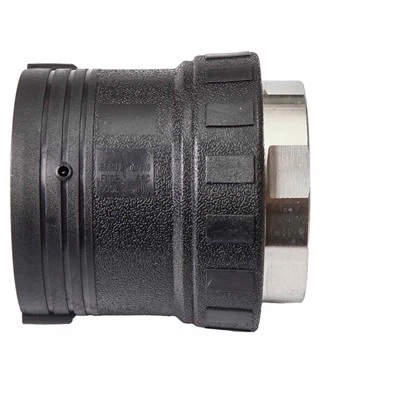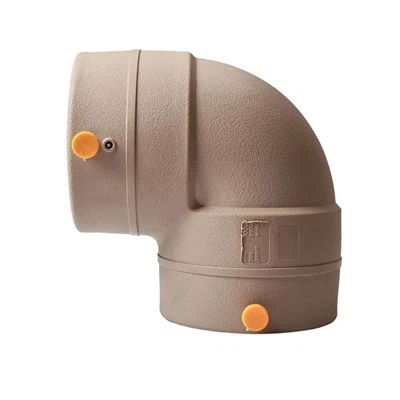


As a supplier of PPR Electrofusion Tee, I often encounter various questions from customers, one of the most frequent being how to handle waste PPR Electrofusion Tee. In this blog, I'll share some practical and scientific methods based on my years of experience in the industry.
Understanding the Nature of PPR Electrofusion Tee
Before delving into the handling methods, it's essential to understand what PPR Electrofusion Tee is. A PPR Electrofusion Tee is a crucial component in modern plumbing systems. It is made of Polypropylene Random Copolymer (PPR), a thermoplastic polymer known for its excellent chemical resistance, high temperature tolerance, and long - term durability. The electrofusion feature allows for a reliable and leak - proof joint when connecting PPR pipes.
Reasons for Waste PPR Electrofusion Tee
There are several reasons why PPR Electrofusion Tee may become waste. Firstly, during the production process, there could be quality control issues. Some tees may not meet the strict dimensional or material standards, resulting in them being discarded. Secondly, in construction sites, improper installation can lead to damaged tees. For example, if the electrofusion process is not carried out correctly, the joint may not form properly, and the tee has to be replaced. Thirdly, changes in project plans can also leave surplus PPR Electrofusion Tees unused, turning them into waste.
Recycling Options
Material Recycling
PPR is a recyclable material. The first step in recycling waste PPR Electrofusion Tee is to collect and sort them. They should be separated from other types of plastics and debris. Once sorted, the tees are sent to a recycling facility. At the facility, the PPR material is shredded into small pieces. These pieces are then melted down at a high temperature. The molten PPR can be used to produce new PPR products, such as Electrofusion PPR pipes or PPR Electrofusion Coupler. This not only reduces the demand for virgin PPR material but also minimizes the environmental impact of waste disposal.
However, it's important to note that the quality of recycled PPR may be slightly lower than that of virgin PPR. Therefore, it is often used in applications where high - end performance is not required. For example, recycled PPR can be used for non - potable water systems or in some low - pressure plumbing applications.
Reuse in Non - Critical Applications
In some cases, waste PPR Electrofusion Tees that are slightly damaged but still structurally sound can be reused in non - critical applications. For instance, they can be used in temporary plumbing systems during construction projects. These temporary systems are used for tasks like water supply for construction machinery or for drainage of rainwater on the site. By reusing the tees in this way, we can extend their service life and reduce waste generation.
Disposal Methods
Landfill Disposal
If recycling or reuse is not feasible, landfill disposal is an option. However, this should be the last resort due to its environmental impact. PPR is a relatively stable polymer, and it takes a long time to decompose in landfills. Before sending waste PPR Electrofusion Tees to landfills, they should be properly packaged to prevent them from being scattered by wind or water. Additionally, it's important to ensure that the landfill site is compliant with environmental regulations to minimize the potential pollution to soil and groundwater.


Incineration
Incineration can also be considered as a disposal method. When PPR is incinerated, it releases energy. However, this process needs to be carried out in a controlled environment with advanced pollution control equipment. Without proper control, the incineration of PPR can release harmful substances such as dioxins and other pollutants into the atmosphere. Therefore, incineration should only be carried out in specialized waste - to - energy plants that meet strict environmental standards.
Best Practices for Waste Reduction
As a PPR Electrofusion Tee supplier, I always encourage my customers to adopt best practices for waste reduction. Firstly, accurate project planning is crucial. By carefully calculating the required quantity of PPR Electrofusion Tees, customers can avoid over - ordering and reduce the amount of surplus waste. Secondly, proper training for installers is essential. Well - trained installers are more likely to carry out the electrofusion process correctly, reducing the number of damaged tees due to improper installation.
Moreover, suppliers like us can play an important role in waste reduction. We can offer take - back programs where customers can return their waste or surplus PPR Electrofusion Tees. These returned tees can then be recycled or reused, providing a more sustainable solution for waste management.
Conclusion
Handling waste PPR Electrofusion Tee requires a comprehensive approach that combines recycling, reuse, and proper disposal methods. By understanding the nature of PPR and the various options available, we can minimize the environmental impact of waste PPR Electrofusion Tees. As a supplier, I am committed to promoting sustainable practices in the industry. If you are interested in our PPR Electrofusion Tee products or have any questions about waste handling, please feel free to contact us for further discussion and potential procurement.
References
- "Plastic Recycling Handbook" by John Doe.
- "Environmental Impact of Plastic Waste Disposal" published by the Environmental Research Institute.
- Industry reports on PPR material properties and applications.