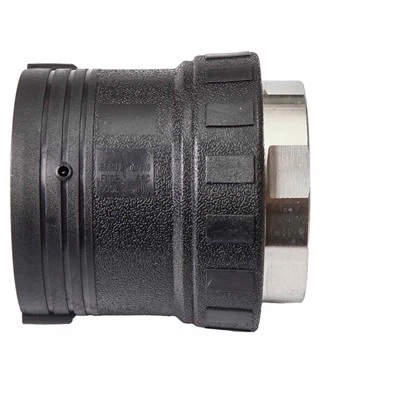


HDPE (High-Density Polyethylene) female adaptors are widely used in various piping systems due to their durability, chemical resistance, and ease of installation. However, leaks in HDPE female adaptor connections can be a significant issue, leading to loss of fluid, environmental contamination, and potential damage to the surrounding infrastructure. As a trusted HDPE female adaptor supplier, I understand the importance of preventing these leaks. In this blog, I will share some effective strategies to ensure leak-free HDPE female adaptor connections.
Understanding the Causes of Leaks
Before we delve into prevention methods, it's crucial to understand the common causes of leaks in HDPE female adaptor connections. These can include:
- Improper Installation: Incorrect installation is one of the leading causes of leaks. This can involve improper alignment of the adaptor, insufficient tightening of the connection, or failure to follow the manufacturer's installation instructions.
- Surface Contamination: Dirt, debris, or moisture on the mating surfaces of the adaptor and the pipe can prevent a proper seal, leading to leaks.
- Material Incompatibility: Using an HDPE female adaptor that is not compatible with the pipe material or the fluid being transported can result in chemical reactions or degradation, causing leaks over time.
- Thermal Expansion and Contraction: HDPE materials expand and contract with changes in temperature. If the piping system is not designed to accommodate these changes, it can put stress on the connections and cause leaks.
- Mechanical Stress: External forces such as vibration, pressure fluctuations, or physical impact can weaken the connection and lead to leaks.
Prevention Strategies
1. Proper Installation
- Read the Manufacturer's Instructions: Before installing the HDPE female adaptor, carefully read and follow the manufacturer's installation instructions. These instructions provide specific guidelines on alignment, tightening torque, and any special requirements for the adaptor.
- Prepare the Surfaces: Ensure that the mating surfaces of the adaptor and the pipe are clean, dry, and free of any dirt, debris, or contaminants. Use a clean cloth or a suitable solvent to clean the surfaces if necessary.
- Align the Adaptor Correctly: Proper alignment is crucial for a leak-free connection. Make sure that the adaptor is aligned with the pipe and that the threads or other connection features are properly engaged.
- Tighten the Connection to the Correct Torque: Use a torque wrench to tighten the connection to the recommended torque specified by the manufacturer. Over-tightening can damage the adaptor or the pipe, while under-tightening can result in a loose connection and leaks.
2. Surface Preparation
- Cleaning: As mentioned earlier, clean the mating surfaces of the adaptor and the pipe thoroughly. This helps to ensure a good seal and prevents contaminants from interfering with the connection.
- Deburring: Remove any burrs or rough edges from the pipe ends before installation. Burrs can prevent a proper seal and cause leaks.
- Drying: Make sure that the surfaces are completely dry before installing the adaptor. Moisture can prevent the sealant or adhesive from bonding properly and can lead to leaks.
3. Material Compatibility
- Select the Right Adaptor: Choose an HDPE female adaptor that is compatible with the pipe material and the fluid being transported. Consult with the manufacturer or a technical expert if you are unsure about the compatibility.
- Check for Chemical Resistance: Ensure that the adaptor has the appropriate chemical resistance for the fluid being transported. This can prevent chemical reactions or degradation that can cause leaks over time.
4. Accommodating Thermal Expansion and Contraction
- Use Expansion Joints: In piping systems where significant temperature changes are expected, use expansion joints to accommodate the thermal expansion and contraction of the HDPE materials. Expansion joints can help to reduce stress on the connections and prevent leaks.
- Design the Piping System Properly: Consider the thermal expansion and contraction characteristics of the HDPE materials when designing the piping system. Allow for sufficient space for the pipes to expand and contract without putting stress on the connections.
5. Minimizing Mechanical Stress
- Support the Piping System: Provide adequate support for the piping system to prevent vibration, movement, or physical impact. Use pipe supports, hangers, or brackets to secure the pipes and reduce stress on the connections.
- Isolate the Piping System from External Forces: If possible, isolate the piping system from external sources of vibration, pressure fluctuations, or physical impact. This can help to protect the connections and prevent leaks.
Using Quality HDPE Female Adaptors
As a supplier of HDPE female adaptors, I can attest to the importance of using high-quality products. Quality adaptors are made from high-grade HDPE materials that are resistant to chemicals, abrasion, and environmental factors. They are also manufactured to strict quality standards, ensuring a reliable and leak-free connection.
When choosing an HDPE female adaptor, look for products that are certified by recognized standards organizations such as ASTM (American Society for Testing and Materials) or ISO (International Organization for Standardization). These certifications indicate that the adaptor meets the required quality and performance standards.
In addition to standard HDPE female adaptors, we also offer specialized products such as Electrofusion Steel PE Transition Fittings, Female Thread Adaptor HDPE, and Female Thread Adapter HDPE. These products are designed for specific applications and can provide additional benefits such as improved sealing performance or compatibility with different pipe materials.
Conclusion
Preventing leaks in HDPE female adaptor connections is essential for the proper functioning and longevity of piping systems. By following the prevention strategies outlined in this blog, including proper installation, surface preparation, material compatibility, accommodating thermal expansion and contraction, and minimizing mechanical stress, you can significantly reduce the risk of leaks.


As a leading supplier of HDPE female adaptors, we are committed to providing high-quality products and expert advice to help you achieve leak-free connections. If you have any questions or need assistance with your HDPE piping system, please do not hesitate to contact us. We look forward to discussing your requirements and helping you find the right solutions for your project.
References
- ASTM International. (Year). Standard specifications for HDPE pipes and fittings.
- ISO (International Organization for Standardization). (Year). International standards for HDPE materials and products.
- Manufacturer's installation instructions for HDPE female adaptors.