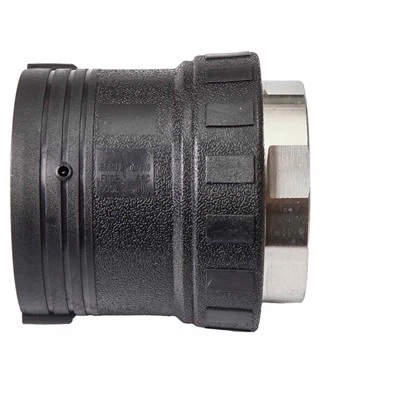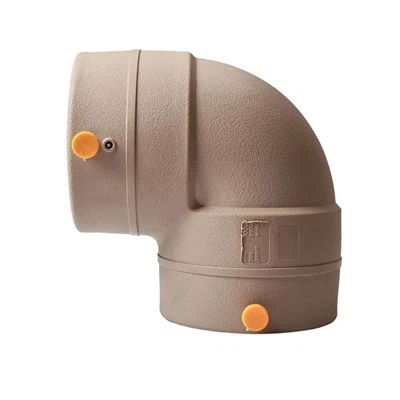


Hey there! As a supplier of HDPE male threaded adaptors, I've seen my fair share of issues when it comes to these little guys loosening up. It's a common problem that can lead to all sorts of headaches, from leaks to system failures. But don't worry, I'm here to share some tips on how to prevent that from happening.
First off, let's talk about what causes an HDPE male threaded adaptor to loosen in the first place. There are a few main culprits. One is vibration. If your system is in an environment where there's a lot of shaking or movement, like near heavy machinery or on a vehicle, that constant jiggling can gradually work the threads loose. Another cause can be temperature changes. HDPE expands and contracts with temperature variations, and if the adaptor isn't properly installed or secured, these changes can cause it to come undone. And then there's the issue of improper installation. If the threads aren't tightened enough or if there's debris in the threads, it can lead to a loose fit over time.
So, how do we prevent these problems? Let's start with installation. When you're putting in an HDPE male threaded adaptor, it's crucial to make sure the threads are clean. Any dirt, dust, or debris can prevent a proper seal and make the adaptor more likely to loosen. Use a clean cloth to wipe down the threads on both the adaptor and the fitting it's going into. You can also use a thread cleaner if you have one on hand.
Next, apply the right amount of torque. You don't want to over - tighten, as that can damage the HDPE material, but you also don't want it to be too loose. A good rule of thumb is to follow the manufacturer's recommendations for torque values. If you don't have that information, you can start by hand - tightening the adaptor until it's snug, and then use a wrench to give it a little extra turn. Just be careful not to go overboard.
Another great way to prevent loosening is to use thread sealant. There are different types of thread sealants available, like Teflon tape or liquid sealants. Teflon tape is easy to use. Just wrap it around the male threads in a clockwise direction, making sure to cover all the threads. The tape helps to create a better seal and can also add a bit of friction to keep the adaptor in place. Liquid sealants work in a similar way, but they can be a bit messier. They usually need to dry for a certain period before the system can be put into use, so make sure to read the instructions carefully.
If vibration is a concern in your application, you might want to consider using a locking mechanism. There are special locking nuts or washers that can be used with the HDPE male threaded adaptor. These locking devices are designed to resist the loosening effects of vibration. For example, a nylon - insert lock nut has a nylon ring inside that grips the threads tightly, preventing them from turning.


Now, let's talk about the importance of choosing the right adaptor for your application. If you're using the adaptor in a high - pressure system, make sure it's rated for that pressure. Using an adaptor that's not suitable for the pressure can lead to it loosening or even failing. Also, consider the size and type of the fitting it will be connected to. Make sure the threads match up properly. You can find a variety of HDPE adaptors on our website, including Female Thread Adapter HDPE and Electrofusion Threaded. These are designed to work well with our HDPE male threaded adaptors and can help ensure a secure connection.
Regular maintenance is also key to preventing loosening. Check your HDPE male threaded adaptors periodically to make sure they're still tight. If you notice any signs of loosening, like a small leak or a visible gap between the adaptor and the fitting, take action right away. You can retighten the adaptor or replace the thread sealant if needed.
In some cases, you might want to consider using an HDPE Female Adaptor instead of a male one, depending on your system's requirements. Female adaptors can sometimes provide a more stable connection, especially in certain setups.
To sum it up, preventing the loosening of an HDPE male threaded adaptor involves proper installation, using the right tools and materials, choosing the correct adaptor for your application, and regular maintenance. By following these tips, you can avoid a lot of potential problems and keep your system running smoothly.
If you're in the market for HDPE male threaded adaptors or have any questions about preventing loosening, don't hesitate to reach out. We're here to help you find the best solutions for your needs. Whether you're working on a small DIY project or a large industrial application, we've got the products and expertise to support you.
References
- Industry standards for HDPE pipe fittings
- Manufacturer's guidelines for HDPE male threaded adaptors
- Technical papers on preventing thread loosening in plastic fittings