


Proper storage of electrofusion PPR (Polypropylene Random) pipes is crucial to maintain their quality and performance. As a supplier of electrofusion PPR products, I understand the significance of ensuring that these pipes are stored correctly to prevent any damage or degradation. In this blog post, I will share some essential guidelines on how to store electrofusion PPR pipes properly.
Understanding the Characteristics of Electrofusion PPR Pipes
Before delving into the storage methods, it's important to understand the properties of electrofusion PPR pipes. PPR is a type of thermoplastic polymer known for its high heat resistance, chemical stability, and excellent corrosion resistance. Electrofusion PPR pipes are specifically designed for use with electrofusion fittings, which create a secure and leak - free joint by melting the pipe and fitting together using an electric current.
These pipes are generally lightweight, flexible, and easy to install. However, they can be affected by environmental factors such as temperature, sunlight, and mechanical stress. Therefore, proper storage is essential to preserve their integrity.
Ideal Storage Conditions
Temperature
PPR pipes should be stored in an environment with a relatively stable temperature. Extreme temperatures can have a negative impact on the pipes. High temperatures can cause the pipes to soften and deform, while low temperatures can make them brittle and more prone to cracking.
The ideal temperature range for storing electrofusion PPR pipes is between 5°C and 40°C (41°F and 104°F). If the storage area is subject to significant temperature fluctuations, insulation or climate - control measures may be necessary. For example, in a warehouse located in a region with hot summers and cold winters, installing a heating and cooling system can help maintain a consistent temperature.
Humidity
Humidity levels also play a role in the storage of PPR pipes. High humidity can lead to the growth of mold and mildew on the pipes, which can not only affect their appearance but also potentially compromise their structural integrity. On the other hand, extremely low humidity can cause the pipes to dry out and become more brittle.
The recommended relative humidity for storing electrofusion PPR pipes is between 30% and 70%. In areas with high humidity, dehumidifiers can be used to reduce the moisture content in the air. Conversely, in very dry environments, humidifiers may be necessary to maintain the appropriate humidity level.
Sunlight and UV Exposure
PPR pipes are sensitive to ultraviolet (UV) radiation. Prolonged exposure to sunlight can cause the pipes to degrade, leading to a reduction in their strength and durability. Therefore, electrofusion PPR pipes should be stored in a location that is protected from direct sunlight.
If the pipes need to be stored outdoors temporarily, they should be covered with UV - resistant tarps or stored in a shaded area. Indoors, the storage area should be away from windows or other sources of direct sunlight.
Storage Location
Indoor Storage
Indoor storage is generally the best option for electrofusion PPR pipes. A clean, dry, and well - ventilated warehouse or storage room is ideal. The storage area should be free from any sources of chemical contamination, such as solvents, paints, or cleaning agents, as these can react with the PPR material and cause damage.
The pipes should be stored on a flat and stable surface to prevent them from bending or warping. They can be stacked in an orderly manner, but care should be taken not to stack them too high to avoid excessive pressure on the lower pipes.
Outdoor Storage
If indoor storage is not available, outdoor storage can be considered, but it requires additional precautions. As mentioned earlier, the pipes must be protected from sunlight and moisture. They should be placed on pallets to keep them off the ground and prevent water from pooling around them.
In addition, the storage area should be fenced or otherwise secured to prevent unauthorized access and potential damage to the pipes.
Stacking and Handling
Stacking
When stacking electrofusion PPR pipes, it's important to follow the manufacturer's guidelines. Generally, the pipes should be stacked in a way that distributes the weight evenly. For example, larger diameter pipes should be placed at the bottom of the stack, and smaller diameter pipes can be stacked on top.
The maximum height of the stack should be limited to prevent the pipes from collapsing or being damaged under the weight. In most cases, a stack height of no more than 2 meters is recommended.
Handling
During handling, care should be taken to avoid dropping, dragging, or otherwise subjecting the pipes to excessive force. Sharp objects should be kept away from the pipes to prevent scratches or cuts, which can weaken the pipes and make them more susceptible to failure.
When moving the pipes, appropriate lifting equipment such as forklifts or cranes should be used. The lifting points should be carefully selected to ensure that the pipes are lifted evenly and without causing any damage.
Protection Against Contamination
Dust and Debris
Dust and debris can accumulate on the surface of the pipes during storage. This can not only affect the appearance of the pipes but also interfere with the electrofusion process when the pipes are installed. Therefore, the storage area should be kept clean, and the pipes should be covered with protective sheets if necessary.
Chemical Contamination
As mentioned earlier, electrofusion PPR pipes should be kept away from any sources of chemical contamination. This includes avoiding storage near chemicals such as acids, alkalis, and solvents. If there is a risk of chemical spillage in the storage area, appropriate containment measures should be in place.
Inspection and Maintenance
Regular Inspections
Regular inspections of the stored electrofusion PPR pipes are essential to detect any signs of damage or degradation. Inspections should be carried out at least once a month, and more frequently in harsh environmental conditions.
During the inspection, check for any signs of cracking, deformation, discoloration, or mold growth on the pipes. If any issues are detected, the affected pipes should be removed from the storage area and evaluated for usability.
Maintenance
Maintaining the storage area is also important. This includes cleaning the storage racks, floors, and any equipment used for handling the pipes. Regularly check the climate - control systems (if installed) to ensure that they are functioning properly.
Conclusion
Proper storage of electrofusion PPR pipes is essential to ensure their quality and performance. By following the guidelines outlined in this blog post, you can minimize the risk of damage to the pipes and ensure that they are in optimal condition when it comes time for installation.
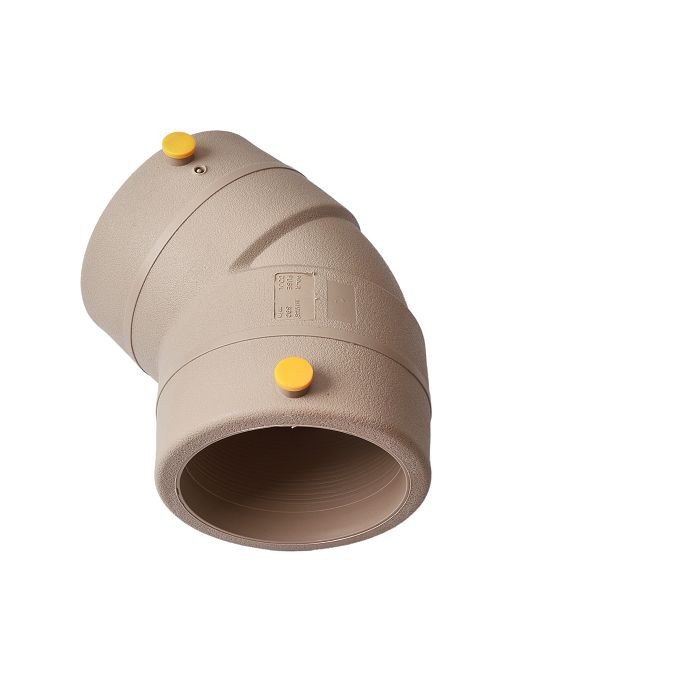
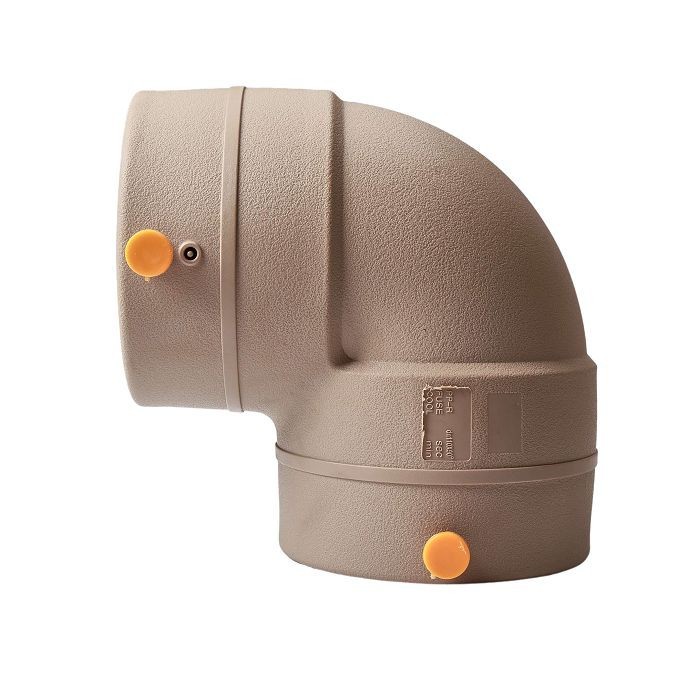
If you are in the market for high - quality PPR Electrofusion Pipe Fittings, PPR Electrofusion 90 Degree Elbow, or PPR Electrofusion 45 Degree Elbow, we are here to provide you with the best products and services. Contact us today to discuss your procurement needs and let's work together to meet your project requirements.
References
- ASTM International. (Year). Standard Specification for Polypropylene (PP) Plastic Pipe, Tubing, and Fittings.
- ISO. (Year). International Standard for PPR Pipes and Fittings.
- Manufacturer's Guidelines for Electrofusion PPR Pipes and Fittings.


