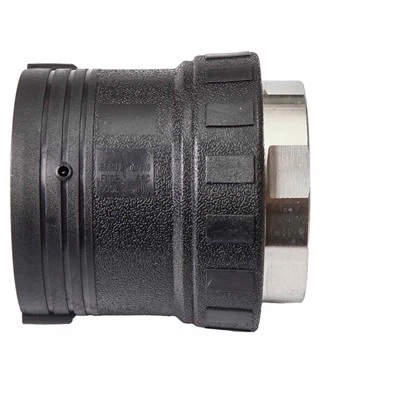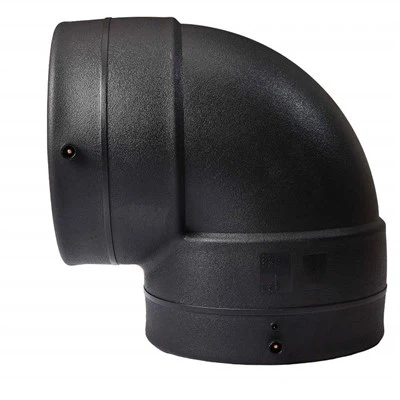


Hey there! I'm a supplier of Male Adaptor HDPE, and today I wanna dig into a super important question: Is Male Adaptor HDPE resistant to chemicals in industrial wastewater?
First off, let's talk a bit about what Male Adaptor HDPE is. HDPE stands for High - Density Polyethylene. It's a type of plastic that's known for being tough, durable, and relatively inexpensive. A Male Adaptor HDPE is a fitting used in piping systems. It has a male thread on one end, which allows it to connect to other parts of the system that have a female thread. You can check out more about it Male Adaptor HDPE.
Now, industrial wastewater is no joke. It can contain all sorts of chemicals, like acids, bases, heavy metals, and organic solvents. These chemicals can be extremely corrosive and can eat away at many materials over time. So, the question of whether Male Adaptor HDPE can stand up to these chemicals is crucial, especially in industries where wastewater management is a big deal.
One of the great things about HDPE is its chemical resistance. HDPE has a non - polar molecular structure, which means it doesn't react easily with many chemicals. Acids and bases, for example, generally don't have much of an effect on HDPE. In fact, HDPE can withstand a wide range of pH values, from acidic to basic solutions. This makes it a great choice for applications where the wastewater might have varying levels of acidity or alkalinity.
Let's take a look at some common chemicals found in industrial wastewater and how Male Adaptor HDPE fares against them.
Acids
Acids are commonly found in industrial wastewater, especially in industries like metal plating, battery manufacturing, and chemical production. Strong acids like sulfuric acid and hydrochloric acid can be very corrosive. However, HDPE is resistant to many of these acids. It can handle sulfuric acid concentrations of up to 50% at room temperature without significant degradation. Hydrochloric acid, even at high concentrations, doesn't cause much damage to HDPE. This means that Male Adaptor HDPE can be used in systems where acidic wastewater is being transported or treated.
Bases
Bases, such as sodium hydroxide and potassium hydroxide, are also prevalent in industrial wastewater. These are often used in processes like cleaning, neutralization, and chemical synthesis. HDPE is highly resistant to most bases. It can withstand high - concentration sodium hydroxide solutions without losing its structural integrity. This resistance to bases makes Male Adaptor HDPE a reliable choice for systems dealing with alkaline wastewater.
Organic Solvents
Organic solvents like acetone, toluene, and benzene are used in many industries, including paint manufacturing, printing, and pharmaceuticals. The chemical resistance of HDPE to organic solvents varies. Some solvents, like acetone, can cause HDPE to swell over time, which might affect the performance of the Male Adaptor HDPE. However, other solvents, like toluene, have a relatively low impact on HDPE at room temperature. So, when using Male Adaptor HDPE in systems with organic solvents, it's important to consider the specific solvent and its concentration.
Heavy Metals
Heavy metals, such as lead, mercury, and cadmium, are toxic and can be found in industrial wastewater from mining, electronics, and metal - finishing industries. HDPE doesn't react with heavy metals chemically. It acts as a barrier, preventing the heavy metals from leaching into the surrounding environment. This is a huge advantage in wastewater treatment systems, as it helps in containing and managing the heavy - metal - laden wastewater.
But it's not all sunshine and rainbows. The chemical resistance of Male Adaptor HDPE can be affected by factors like temperature, exposure time, and the concentration of the chemicals. Higher temperatures can increase the rate of chemical reactions and can reduce the effectiveness of the HDPE's resistance. For example, while HDPE can withstand a certain concentration of an acid at room temperature, at higher temperatures, the acid might start to degrade the material more quickly.


Exposure time also matters. If the Male Adaptor HDPE is in constant contact with a chemical for a long period, even a chemical that it's generally resistant to, there might be some minor degradation over time. And of course, higher concentrations of chemicals can have a more significant impact on the HDPE than lower concentrations.
When it comes to choosing the right HDPE adaptor for your industrial wastewater system, it's important to consider all these factors. You might also want to look at other types of HDPE adaptors, like the HDPE Female Adaptor or the Poly Flange Adapter, depending on your specific piping needs.
In conclusion, Male Adaptor HDPE has a pretty good track record when it comes to chemical resistance in industrial wastewater. It can handle a wide range of chemicals, including acids, bases, and heavy metals, under normal conditions. However, it's essential to take into account factors like temperature, exposure time, and chemical concentration.
If you're in the market for Male Adaptor HDPE or any other HDPE adaptors for your industrial wastewater management system, I'd love to have a chat with you. Whether you need help choosing the right product or have questions about chemical resistance, I'm here to assist. Reach out to start a discussion about your procurement needs, and let's find the best solution for your business.
References
- ASTM International. (Year). Standard test methods for evaluating the chemical resistance of plastics.
- Chemical Resistance Guide for HDPE Products. (Publisher, Year).