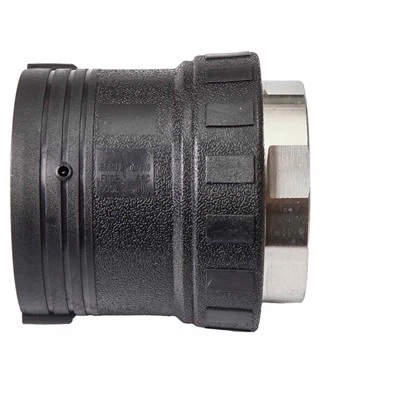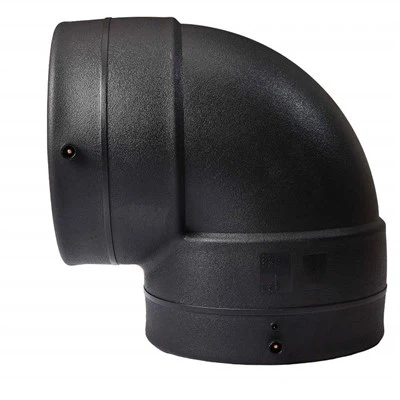


Hey there! I'm a supplier of HDPE adaptors, and today I want to chat about whether HDPE adaptors are easy to transport. As someone who's been in the HDPE adaptor business for a while, I've got some insights to share with you.
First off, let's talk about what HDPE adaptors are. HDPE stands for High - Density Polyethylene, which is a strong and durable plastic material. These adaptors come in different types, like the Male Thread Adaptor HDPE, Male Adapter HDPE, and HDPE Female Adaptor. They're used in a variety of industries, such as plumbing, irrigation, and construction, to connect different pipes or fittings.
One of the biggest advantages of HDPE adaptors when it comes to transportation is their lightweight nature. Compared to metal adaptors, HDPE adaptors are significantly lighter. This means that you can load more of them onto a truck or a shipping container without exceeding the weight limits. For example, if you're transporting a large quantity of adaptors for a big construction project, the lower weight of HDPE adaptors can save you a lot on shipping costs. You won't have to pay extra for overweight charges, and it's also easier on the vehicles used for transportation, reducing wear and tear.
Another great thing about HDPE adaptors is their resistance to damage during transit. HDPE is a tough material that can withstand a fair amount of rough handling. It's not as brittle as some other plastics, and it won't crack or break easily if it gets bumped around a bit. This is a huge plus when you're shipping them over long distances. Whether they're being loaded and unloaded multiple times or going through different modes of transportation like trucks, trains, and ships, HDPE adaptors are more likely to arrive at their destination in one piece.
The shape and size of HDPE adaptors also make them relatively easy to transport. They usually have a simple, compact design that can be easily stacked and packed. You can arrange them neatly in boxes or crates, which helps to maximize the use of space in the shipping container. This efficient use of space means that you can transport more adaptors in a single shipment, again reducing the overall cost of transportation.
However, there are also a few things to keep in mind when transporting HDPE adaptors. One issue is their sensitivity to extreme temperatures. While HDPE can handle a wide range of temperatures, very high or very low temperatures can affect its properties. In extremely cold conditions, HDPE can become more rigid and may be more prone to cracking if it's subjected to sudden impacts. On the other hand, in very hot temperatures, HDPE can soften slightly, which might cause it to deform if it's under pressure. So, if you're shipping HDPE adaptors to areas with extreme climates, you need to take extra precautions. You might need to use insulated containers or choose the right time of year for shipping.
Another consideration is the need for proper packaging. Although HDPE adaptors are tough, they still need to be protected during transportation. You should use high - quality packaging materials like sturdy boxes, bubble wrap, or foam inserts to prevent them from rubbing against each other or getting damaged by external objects. This is especially important if you're shipping them overseas, where they'll be exposed to more rigorous handling and longer transit times.
Now, let's talk about the environmental aspect of transporting HDPE adaptors. Since they're lightweight, the carbon footprint associated with their transportation is relatively low. Less fuel is consumed to transport the same number of HDPE adaptors compared to heavier materials. This is not only good for the environment but also aligns with the growing trend of sustainable business practices. If you're a company that's committed to reducing its environmental impact, choosing HDPE adaptors can be a great step in the right direction.


In conclusion, HDPE adaptors are generally quite easy to transport. Their lightweight, durability, and compact design make them a convenient choice for shipping. They offer cost - savings on transportation, are less likely to get damaged, and are more environmentally friendly. But, as with any product, you need to take some precautions, especially regarding temperature and packaging.
If you're in the market for HDPE adaptors, whether it's the Male Thread Adaptor HDPE, Male Adapter HDPE, or HDPE Female Adaptor, I'd love to have a chat with you. I can provide you with high - quality HDPE adaptors at competitive prices and help you figure out the best way to transport them to your location. Feel free to reach out to me if you have any questions or if you're interested in making a purchase.
References
- "Plastic Pipe Handbook" - A comprehensive guide on plastic pipes and fittings, including HDPE adaptors.
- Industry reports on the transportation of construction materials.