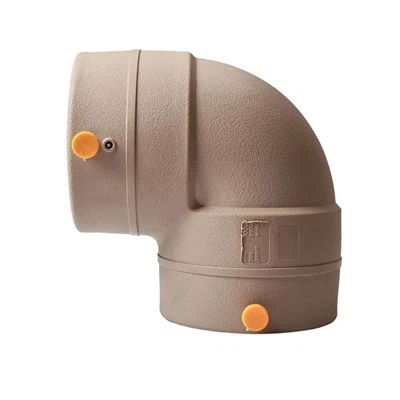


In the realm of modern pipeline systems, PE (Polyethylene) electrofusion technology has emerged as a game - changer. As a prominent supplier of PE electrofusion products, I have witnessed firsthand the numerous advantages that this technology brings to various industries. In this blog, I will delve into the key benefits of PE electrofusion and why it has become the preferred choice for many pipeline projects.
1. Superior Joint Integrity
One of the most significant advantages of PE electrofusion is its ability to create a seamless and highly reliable joint. When using electrofusion fittings, the process involves heating the conductive coils embedded in the fitting through an electric current. This causes the PE material of the fitting and the pipes to melt and fuse together at a molecular level.
Unlike traditional joining methods such as mechanical connections or solvent welding, electrofusion joints are free from potential leakage points. Mechanical connections rely on gaskets and fasteners, which can loosen over time due to vibration, temperature changes, or pressure fluctuations. Solvent welding, on the other hand, may not provide a uniform bond throughout the joint, leading to weak spots.
With PE electrofusion, the resulting joint has the same strength and durability as the parent pipes. This is crucial in applications where the pipeline system is expected to handle high - pressure fluids or gases. For example, in natural gas distribution networks, a single leak can have catastrophic consequences. The high - integrity joints created by PE electrofusion ensure the safe and efficient operation of such systems.
2. Ease of Installation
PE electrofusion offers a relatively simple and straightforward installation process. Compared to other joining techniques that may require specialized skills and extensive training, electrofusion can be mastered by technicians with basic training.
The installation process typically involves cleaning the pipe ends, inserting the pipes into the electrofusion fitting, and connecting the fitting to a power supply. Once the power is applied, the fitting heats up and fuses the pipes together. The entire process can be completed quickly, reducing installation time and labor costs.
In addition, electrofusion is less affected by environmental conditions compared to some other methods. For instance, solvent welding may be sensitive to humidity and temperature, which can affect the quality of the joint. PE electrofusion can be carried out in a wide range of environmental conditions, making it suitable for both indoor and outdoor projects.
3. Corrosion Resistance
Polyethylene is inherently resistant to corrosion, which is a major advantage in pipeline systems. Corrosion can cause significant damage to pipes over time, leading to leaks, reduced flow capacity, and increased maintenance costs.
Traditional metal pipes, such as steel or iron, are prone to corrosion when exposed to moisture, chemicals, or soil contaminants. In contrast, PE pipes and electrofusion fittings are not affected by rust or other forms of corrosion. This makes them ideal for applications in harsh environments, such as wastewater treatment plants, chemical processing facilities, and underground pipelines.
The corrosion resistance of PE electrofusion systems also extends the service life of the pipeline. With proper installation and maintenance, a PE electrofusion pipeline can last for decades, providing a cost - effective long - term solution.
4. Flexibility and Adaptability
PE electrofusion systems offer a high degree of flexibility and adaptability. Polyethylene pipes can be bent to a certain degree without the need for additional fittings, which allows for more efficient routing of the pipeline. This is particularly useful in situations where the pipeline needs to navigate around obstacles or follow a specific layout.
Moreover, there is a wide range of electrofusion fittings available to meet different application requirements. For example, you can find HDPE Pn 20 fittings, which are designed to handle high - pressure applications. PE Electrofusion Tee PN20 is suitable for creating branch connections in the pipeline system, while Electrofusion HDPE Coupler is used for joining two pipes together.
This variety of fittings enables the design and construction of complex pipeline networks that can meet the specific needs of different industries, such as water supply, irrigation, and industrial process piping.
5. Cost - Effectiveness
When considering the overall cost of a pipeline project, PE electrofusion offers significant cost advantages. Although the initial cost of electrofusion fittings may be slightly higher than some traditional joining methods, the long - term savings are substantial.


As mentioned earlier, the ease of installation reduces labor costs and installation time. The corrosion resistance of PE pipes and fittings eliminates the need for costly corrosion protection measures, such as coatings or cathodic protection systems. In addition, the high - integrity joints reduce the risk of leaks and failures, which can result in expensive repairs and downtime.
Over the life cycle of the pipeline, the cost savings associated with PE electrofusion can be significant, making it a cost - effective choice for both large - scale and small - scale projects.
6. Environmental Friendliness
In today's environmentally conscious world, the environmental impact of construction materials and technologies is an important consideration. PE electrofusion is a relatively environmentally friendly option.
Polyethylene is a recyclable material, which means that at the end of the pipeline's service life, the pipes and fittings can be recycled and reused. This reduces the amount of waste sent to landfills and conserves natural resources.
In addition, the energy consumption during the installation process of PE electrofusion is relatively low compared to some other joining methods. The short installation time also means less disruption to the surrounding environment during construction.
Conclusion
In conclusion, PE electrofusion offers a multitude of advantages that make it an excellent choice for pipeline systems. From superior joint integrity and ease of installation to corrosion resistance, flexibility, cost - effectiveness, and environmental friendliness, this technology has revolutionized the way we design and construct pipelines.
As a supplier of PE electrofusion products, I am committed to providing high - quality fittings and excellent customer service. If you are considering a pipeline project and want to take advantage of the benefits of PE electrofusion, I encourage you to contact me for a detailed discussion. We can work together to find the best solutions for your specific needs and ensure the success of your project.
References
- "Plastic Pipes Handbook" by Berndt - Michael F. Lange
- "Polyethylene Pipes: Properties, Design and Applications" by John V. Kennedy