

What is the electrical power requirement for electrofusion PPR welding?
As a supplier of Electrofusion PPR products, I've encountered numerous inquiries about the electrical power requirements for electrofusion PPR welding. This topic is of utmost importance as it directly impacts the quality and efficiency of the welding process, which in turn affects the reliability of the PPR piping system.
Understanding Electrofusion PPR Welding
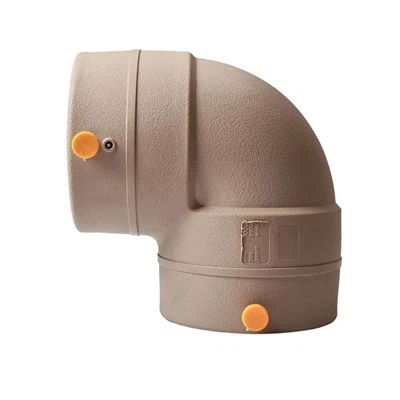
Electrofusion PPR welding is a technique that uses an electric current to heat a resistive element embedded within the fitting. This heat melts the PPR material at the interface between the fitting and the pipe, creating a strong, homogeneous joint. The Electrofusion PPR and PPR Electrofusion systems are designed to provide a reliable and leak - free connection for a wide range of applications, from domestic water supply to industrial piping.
The key to a successful electrofusion weld lies in the proper control of the electrical power supplied to the fitting. Insufficient power may result in an incomplete weld, leading to weak joints that are prone to leakage or failure under pressure. On the other hand, excessive power can overheat the PPR material, causing it to degrade and potentially compromising the integrity of the joint.
Factors Affecting the Electrical Power Requirement
Several factors influence the electrical power needed for electrofusion PPR welding:
-
Fitting Size: Larger fittings generally require more electrical power to achieve a proper weld. This is because there is a greater volume of PPR material that needs to be heated and melted. For example, a PPR Electrofusion Coupler with a larger diameter will have a longer resistive element, which means more electrical energy is needed to raise the temperature of the material to the melting point.
-
Pipe Wall Thickness: Thicker pipe walls also demand more power. The additional PPR material in thick - walled pipes acts as a heat sink, absorbing more energy during the welding process. Therefore, to ensure that the entire cross - section of the pipe wall at the joint is melted and fused with the fitting, a higher electrical power input is necessary.
-
Ambient Temperature: The surrounding temperature can significantly affect the power requirement. In colder environments, the PPR material starts at a lower temperature, and more energy is needed to reach the melting point. Conversely, in warmer conditions, less power may be required as the initial temperature of the material is closer to the melting point.
-
Welding Time: The duration of the welding process is closely related to the power. A shorter welding time may require a higher power input to quickly heat the material, while a longer welding time can be achieved with a lower power. However, it's important to note that the welding time is also limited by the properties of the PPR material, as over - long exposure to heat can cause degradation.
Calculating the Electrical Power Requirement
The electrical power requirement for electrofusion PPR welding is typically specified by the fitting manufacturer. These specifications are based on extensive testing and take into account the factors mentioned above.
The power (P) in an electrical circuit is calculated using the formula (P = VI), where (V) is the voltage and (I) is the current. In electrofusion welding, the voltage is usually a standard value, such as 230V in many regions. The current is adjusted according to the specific requirements of the fitting.
Most electrofusion welding machines are designed to automatically adjust the power and welding time based on the fitting's specifications. These machines are programmed with the necessary data for different fitting sizes and types, ensuring a consistent and reliable welding process.


For example, a small - diameter PPR Electrofusion Coupler might require a power of around 500 - 800 watts for a welding time of 30 - 60 seconds, while a larger fitting could need 1500 - 2000 watts for 90 - 120 seconds.
Power Supply Considerations
When performing electrofusion PPR welding, it's crucial to ensure a stable power supply. Fluctuations in voltage or current can lead to inconsistent welds. Using a high - quality welding machine with built - in voltage regulation and protection features is recommended.
In addition, the electrical circuit should be properly sized to handle the power demand. Overloading the circuit can cause tripping of circuit breakers or even damage to the welding machine. It's advisable to have the electrical installation checked by a qualified electrician to ensure it can safely support the electrofusion welding process.
Importance of Proper Power Management in Piping Systems
Proper management of the electrical power requirement for electrofusion PPR welding is vital for the long - term performance of the piping system. A well - welded joint provides a strong and durable connection that can withstand the pressure and temperature variations in the system.
Incorrect power settings can lead to a range of problems, including poor joint strength, leaks, and premature failure of the piping system. These issues can result in costly repairs, downtime, and potential damage to the surrounding environment.
Conclusion
In conclusion, understanding the electrical power requirement for electrofusion PPR welding is essential for achieving high - quality, reliable joints in PPR piping systems. As a supplier of Electrofusion PPR products, we are committed to providing our customers with the necessary information and support to ensure successful welding operations.
If you are involved in a project that requires electrofusion PPR welding and have questions about the power requirements or our product range, we encourage you to reach out to us. Our team of experts is ready to assist you in making the right choices for your specific needs. Whether you are a contractor, engineer, or installer, we can provide you with detailed product specifications and technical advice to help you achieve the best results in your piping projects.
References
- "Plastic Pipes Handbook" by Berndt - Michael Rode
- Manufacturer's technical documentation for electrofusion PPR fittings