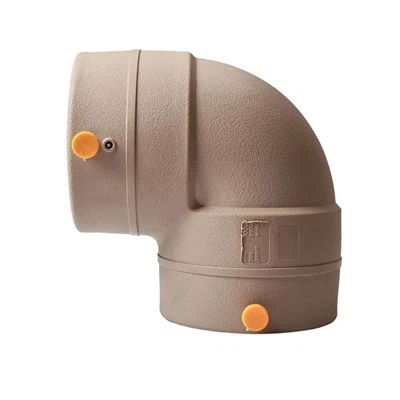
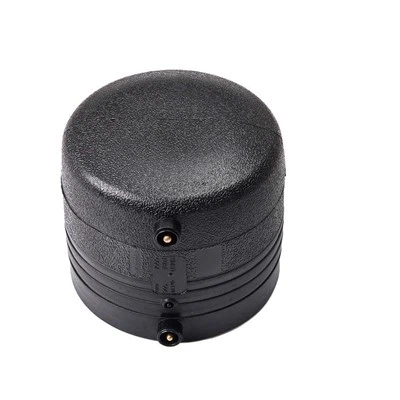
Electrofusion elbows offer advantages such as high connection strength, excellent sealing, easy installation, corrosion resistance, and wide adaptability. They are connected to pipes using electrofusion welding. During the welding process, the plastic materials of the pipe fitting and pipe fuse together at high temperatures, forming a single, integrated unit. This connection method ensures that the strength of the joint matches or even exceeds the strength of the pipe itself. When the piping system is subjected to external forces such as pressure and tension, the joint is less likely to break or separate, effectively ensuring the stability and reliability of the piping system. Electric fusion elbows also offer excellent sealing properties. During the welding process, the molten plastic fills the gap between the pipe and the elbow, forming a continuous, tight seal that effectively prevents fluid leakage within the pipeline. Whether transporting liquids or gases, this ensures a tight seal within the piping system, preventing resource waste and environmental pollution caused by leaks. Compared to traditional connection methods such as flanges and butt fusion, electric fusion elbows are simpler and faster to install. They do not require complex tools and equipment, nor do they require tedious alignment and securing operations. Simply insert the pipe into the electric fusion elbow and weld it with an electric fusion welder to complete the connection, significantly shortening installation time and improving construction efficiency. Electric fusion elbows are typically made of corrosion-resistant plastic materials such as PE, and are resistant to corrosion from a variety of chemicals, such as acids, alkalis, and salts. They maintain excellent performance in diverse environments, such as buried pipelines and chemical parks, extending the service life of the piping system and reducing maintenance and replacement costs. Electric fusion elbows can be used in a variety of environmental conditions, such as varying temperatures, humidity, and geological conditions. They can accommodate a certain degree of pipe deformation and displacement, maintaining excellent connection performance even when the pipe is subjected to external forces or environmental factors.

 English
- English
- Français
- Deutsch
- 日本語
- Italiano
- Español
- Português
- русский
- slovenščina
- עברית
- Nederlands
- suomi
- bosanski
- Gaeilgenah Éireann
- فارسی
- Türkçe
- Català
- Srbija jezik (latinica)
- hrvatski
- O'zbek
- România limbi
- हिंदी
- عربي
- Norsk
- dansk
- Ελληνικά
- українська
- Melayu
- Lietuvių
- Eesti
- বাংলা
- اردو
- Malti
- Latviešu
- Polski
- magyar
- íslenska
- Български
- Čeština
- 한국어
- Svenska
- slovenčina
- Bai Miaowen
- Indonesia
- Việt Nam
- Kreyòl Ayisyen
- Cymraeg
- ไทย