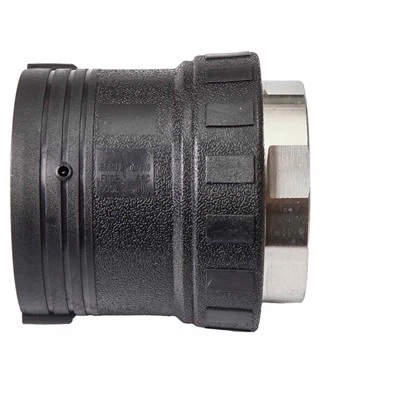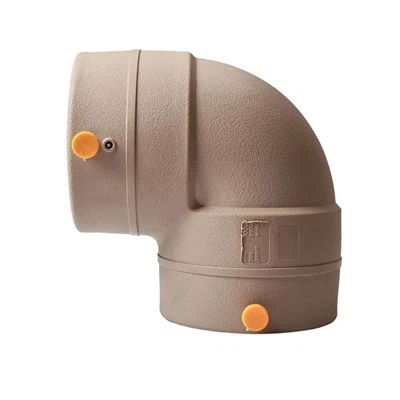


Hey there! As a supplier of Electrofusion PPR products, I often get asked about the impact of UV rays on electrofusion PPR pipes. It's a valid concern, especially for those who are planning to use these pipes in outdoor applications. In this blog, I'll share some insights based on my experience and the latest scientific knowledge.
First off, let's understand what electrofusion PPR pipes are. PPR, or polypropylene random copolymer, is a type of plastic that's known for its durability, flexibility, and resistance to corrosion. Electrofusion PPR pipes are made by fusing PPR pipes together using an electric current. This creates a strong, leak - proof joint that's ideal for a variety of plumbing and piping systems.
Now, the big question: Are electrofusion PPR pipes affected by UV rays? The short answer is yes, but the degree of impact depends on several factors.
How UV Rays Affect PPR Pipes
UV rays, which are part of the sun's radiation, can cause a process called photodegradation in PPR pipes. Photodegradation is basically the breakdown of the polymer chains in the plastic due to exposure to light. When PPR pipes are exposed to UV rays over a long period, the following things can happen:
- Color change: You might notice that the pipes start to turn yellow or become duller in color. This is one of the first visible signs of UV damage.
- Surface cracking: Over time, the surface of the pipes can develop small cracks. These cracks can weaken the pipe structure and make it more prone to leaks and failures.
- Reduction in mechanical properties: The strength and flexibility of the PPR pipes can decrease. This means that the pipes may become more brittle and less able to withstand pressure and stress.
Factors Affecting the Impact of UV Rays
The extent to which electrofusion PPR pipes are affected by UV rays depends on a few key factors:
- Duration of exposure: The longer the pipes are exposed to UV rays, the more damage they'll likely suffer. For example, pipes that are installed in direct sunlight all year round will be more affected than those that are only exposed to sunlight for a few hours a day.
- Intensity of UV radiation: The intensity of UV rays varies depending on the location and the time of year. Areas closer to the equator generally receive more intense UV radiation than areas farther away. So, pipes installed in these regions will be at a higher risk of UV damage.
- Additives in the PPR material: Some PPR pipes are formulated with UV stabilizers. These additives can help protect the pipes from the harmful effects of UV rays. Pipes with high - quality UV stabilizers will be more resistant to photodegradation.
Protecting Electrofusion PPR Pipes from UV Rays
If you're planning to use electrofusion PPR pipes outdoors, there are several ways to protect them from UV rays:
- Use UV - resistant pipes: Look for PPR pipes that are specifically designed to be UV - resistant. These pipes usually have a higher concentration of UV stabilizers in the material. At our company, we offer a range of Electrofusion PPR products that are formulated to withstand UV exposure.
- Cover the pipes: You can cover the pipes with insulation or a protective sleeve. This will block the UV rays from reaching the pipes directly. There are many types of insulation materials available on the market that are suitable for PPR pipes.
- Install the pipes in shaded areas: Whenever possible, install the pipes in areas that are shaded from direct sunlight. This could be under a building overhang or behind a wall.
Applications of Electrofusion PPR Pipes
Despite the potential impact of UV rays, electrofusion PPR pipes are still widely used in many applications. They are commonly used in:


- Residential plumbing: For water supply systems in homes, electrofusion PPR pipes are a popular choice because of their ease of installation and durability.
- Commercial buildings: In commercial buildings, these pipes are used for plumbing, heating, and cooling systems.
- Industrial applications: Some industrial processes also use electrofusion PPR pipes for transporting fluids.
We offer a variety of electrofusion PPR fittings to meet different application needs. For example, our PPR Electrofusion Tee is great for creating branch connections in a piping system, and the PPR Electrofusion Flange is useful for connecting pipes to other equipment.
Conclusion
In conclusion, electrofusion PPR pipes can be affected by UV rays, but with the right precautions, you can minimize the damage. By choosing UV - resistant pipes, protecting them from direct sunlight, and using the appropriate fittings, you can ensure that your electrofusion PPR piping system will last for a long time.
If you're in the market for high - quality electrofusion PPR products, I'd love to talk to you. Whether you have questions about UV protection or need help choosing the right fittings for your project, I'm here to assist. Don't hesitate to reach out for a consultation and let's start a great business relationship!
References
- ASTM International. (20XX). Standard Specification for Polypropylene (PP) Plastic Pipes, Sheets, and Fittings.
- Plastics Pipe Institute. (20XX). Technical Guide for PPR Piping Systems.