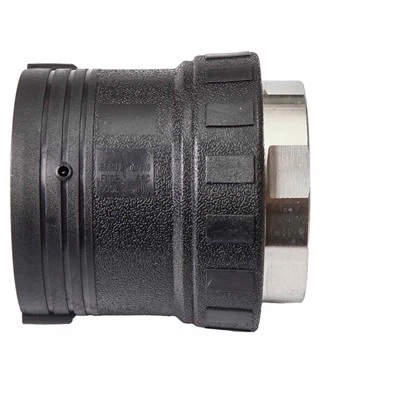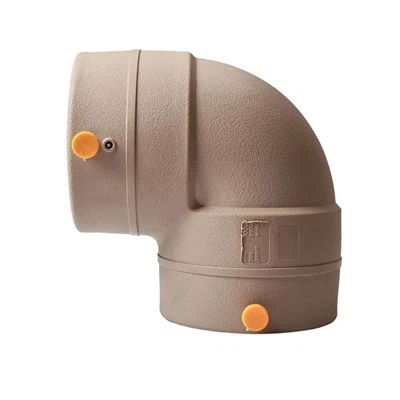


Flow resistance is a crucial concept in fluid dynamics, especially when it comes to the efficient transport of fluids through piping systems. As a PPR Electrofusion Flange supplier, I understand the importance of comprehending the flow resistance of these components. In this blog post, I will delve into what flow resistance is, how it relates to PPR electrofusion flanges, and why it matters in various applications.
Understanding Flow Resistance
Flow resistance refers to the opposition encountered by a fluid as it moves through a pipe or conduit. It is influenced by several factors, including the viscosity of the fluid, the diameter and length of the pipe, and the roughness of the pipe's inner surface. When a fluid flows through a pipe, it experiences frictional forces that slow it down, causing a drop in pressure along the length of the pipe. This pressure drop is directly related to the flow resistance.
In the context of PPR (Polypropylene Random Copolymer) electrofusion flanges, flow resistance plays a significant role in determining the efficiency of the piping system. These flanges are commonly used in plumbing, heating, and industrial applications to connect pipes and ensure a leak - tight seal. The design and material properties of PPR electrofusion flanges can impact the flow of fluids passing through them.
Factors Affecting the Flow Resistance of PPR Electrofusion Flanges
Inner Surface Roughness
The inner surface of PPR electrofusion flanges can vary in roughness. A smoother inner surface will result in lower flow resistance because there is less friction between the fluid and the pipe wall. PPR is known for its relatively smooth inner surface, which is beneficial for reducing flow resistance compared to some other materials. However, during the manufacturing process, any imperfections or irregularities on the inner surface can increase the frictional forces and thus the flow resistance.
Flange Design
The design of the PPR electrofusion flange also affects flow resistance. For example, the shape of the flange's interior, such as whether it has sharp corners or smooth transitions, can influence the flow pattern of the fluid. Sharp corners can cause turbulence in the fluid flow, which increases the flow resistance. Well - designed flanges with smooth contours and gradual transitions help to maintain a laminar flow, reducing the overall resistance.
Pipe Diameter and Connection
The diameter of the pipe connected to the PPR electrofusion flange is another important factor. A smaller diameter pipe will generally have higher flow resistance compared to a larger diameter pipe, as the fluid has less space to flow through, resulting in higher velocities and more frictional forces. Additionally, the quality of the connection between the flange and the pipe is crucial. A poor connection can cause disruptions in the flow, leading to increased resistance.
Measuring Flow Resistance
To accurately assess the flow resistance of PPR electrofusion flanges, engineers often use the concept of the Darcy - Weisbach equation. This equation relates the pressure drop in a pipe to the flow rate, pipe characteristics, and fluid properties. The equation is given by:
$\Delta P = f\frac{L}{D}\frac{\rho v^{2}}{2}$
where $\Delta P$ is the pressure drop, $f$ is the Darcy friction factor, $L$ is the length of the pipe, $D$ is the diameter of the pipe, $\rho$ is the density of the fluid, and $v$ is the average velocity of the fluid.
The Darcy friction factor $f$ depends on the Reynolds number (a dimensionless quantity that characterizes the flow regime) and the relative roughness of the pipe. For laminar flow, the friction factor can be calculated analytically, while for turbulent flow, empirical correlations are used.
Importance of Low Flow Resistance in PPR Electrofusion Flanges
Energy Efficiency
In many applications, such as water supply systems and heating systems, pumps are used to circulate the fluid. High flow resistance in the piping system means that the pumps have to work harder to maintain the desired flow rate. This results in increased energy consumption and higher operating costs. By using PPR electrofusion flanges with low flow resistance, the energy efficiency of the system can be improved, leading to significant cost savings over time.
System Performance
Low flow resistance also ensures better system performance. In a plumbing system, for example, it allows for a more consistent water pressure throughout the building. In industrial processes, it can prevent flow disruptions and ensure the proper functioning of equipment that relies on a stable fluid flow.

Our PPR Electrofusion Flanges and Flow Resistance
As a PPR Electrofusion Flange supplier, we are committed to providing high - quality products with low flow resistance. Our manufacturing process is carefully controlled to ensure a smooth inner surface of the flanges. We also invest in research and development to optimize the design of our flanges, using advanced computer - aided design (CAD) and computational fluid dynamics (CFD) techniques to simulate the flow of fluids through the flanges and make necessary improvements.
We offer a wide range of PPR electrofusion flanges, including those with different diameters and connection types, to meet the diverse needs of our customers. Whether you are working on a small - scale plumbing project or a large - scale industrial installation, our flanges can help you achieve an efficient and reliable piping system.
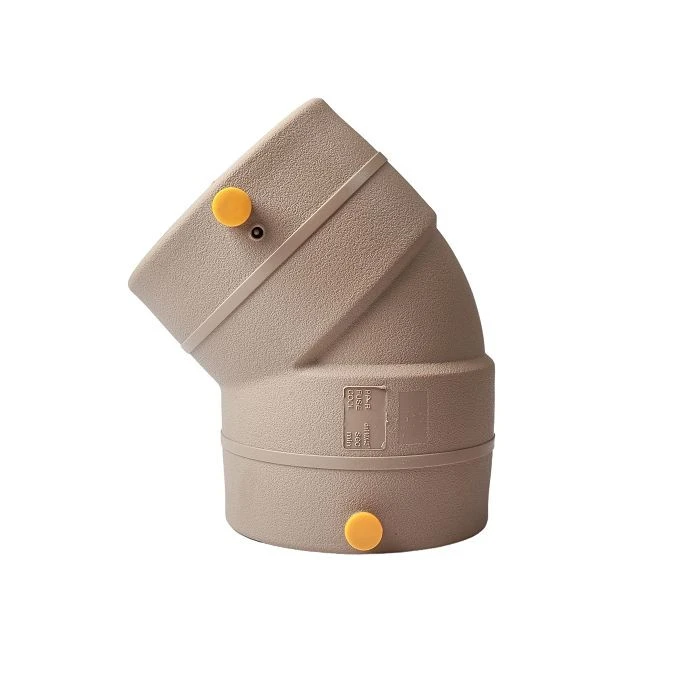
If you want to learn more about our PPR Electrofusion products, including PPR Electrofusion 45 Degree Elbow and PPR Electrofusion Flange, please feel free to contact us. We are always ready to assist you in selecting the right products for your project and provide you with professional technical support.
Conclusion
The flow resistance of PPR electrofusion flanges is a critical factor that affects the efficiency and performance of piping systems. By understanding the factors that influence flow resistance and choosing high - quality flanges with low resistance, customers can achieve significant energy savings and ensure the smooth operation of their systems. As a PPR Electrofusion Flange supplier, we are dedicated to providing products that meet the highest standards of quality and performance. If you are interested in our products, please reach out to us for more information and to start a procurement discussion.
References
- White, F. M. (2016). Fluid Mechanics. McGraw - Hill Education.
- Incropera, F. P., DeWitt, D. P., Bergman, T. L., & Lavine, A. S. (2017). Fundamentals of Heat and Mass Transfer. John Wiley & Sons.