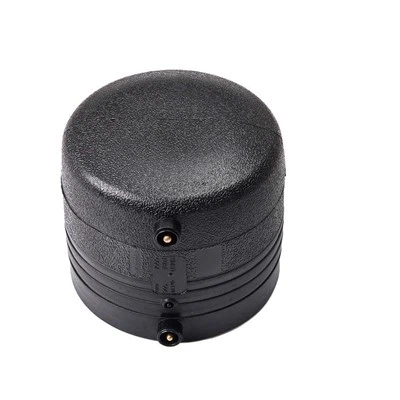


Are PPR Electrofusion Flanges Affected by UV Rays?
As a supplier of PPR Electrofusion Flanges, I often encounter questions from customers regarding the durability and performance of our products under various environmental conditions. One of the most frequently asked questions is whether PPR electrofusion flanges are affected by UV rays. In this blog post, I will delve into this topic, providing you with scientific insights and practical advice based on our industry knowledge and experience.
Understanding PPR Electrofusion Flanges
PPR, or polypropylene random copolymer, is a type of thermoplastic polymer known for its excellent chemical resistance, high-temperature stability, and long service life. PPR electrofusion flanges are specifically designed for use in PPR piping systems, providing a reliable and leak-free connection between pipes and other components. These flanges utilize an electrofusion welding process, which involves heating an embedded resistor coil within the flange to melt the PPR material and create a strong, permanent bond.
The PPR Electrofusion Flange is a crucial component in many applications, including water supply systems, industrial piping, and heating systems. Their durability and performance are essential for ensuring the long-term reliability of the entire piping system.


The Impact of UV Rays on PPR Materials
UV rays, or ultraviolet radiation, are a part of the electromagnetic spectrum emitted by the sun. While UV rays are essential for various natural processes, they can also have detrimental effects on certain materials, including plastics. When PPR materials are exposed to UV rays, several chemical and physical changes can occur:
- Photooxidation: UV rays can initiate a process called photooxidation, where the polymer chains in the PPR material are broken down by the energy from the UV radiation. This leads to the formation of free radicals, which can react with oxygen in the air to form carbonyl groups. The presence of carbonyl groups can cause the material to become brittle, lose its mechanical properties, and develop surface cracks.
- Color Changes: Prolonged exposure to UV rays can cause PPR materials to undergo color changes, typically from their original white or light color to a yellowish or brownish hue. This not only affects the aesthetic appearance of the flanges but can also be an indication of the degradation of the material.
- Surface Degradation: UV rays can cause the surface of PPR materials to become rough and pitted, reducing their smoothness and potentially affecting the sealing performance of the electrofusion flanges. Surface degradation can also make the flanges more susceptible to the growth of bacteria and other microorganisms.
Factors Affecting the UV Resistance of PPR Electrofusion Flanges
The extent to which PPR electrofusion flanges are affected by UV rays depends on several factors:
- Additives: Many PPR manufacturers add UV stabilizers and antioxidants to their materials to improve their UV resistance. These additives can absorb or reflect UV rays, preventing them from reaching the polymer chains and reducing the rate of photooxidation. The quality and quantity of these additives can significantly impact the UV resistance of the flanges.
- Thickness: Thicker PPR electrofusion flanges generally have better UV resistance than thinner ones. The additional material provides more protection against UV penetration, reducing the likelihood of surface and internal degradation.
- Exposure Time and Intensity: The longer the PPR electrofusion flanges are exposed to UV rays and the higher the intensity of the UV radiation, the more severe the degradation will be. Flanges installed in areas with high sunlight exposure, such as outdoor locations or near windows, are more likely to experience significant UV damage.
Protecting PPR Electrofusion Flanges from UV Rays
To ensure the long-term performance and durability of PPR electrofusion flanges, it is essential to take appropriate measures to protect them from UV rays:
- Use UV-Resistant Materials: When selecting PPR electrofusion flanges, choose products that are specifically designed to have high UV resistance. These flanges are typically made with high-quality PPR materials and contain effective UV stabilizers and antioxidants.
- Provide Physical Protection: Install the PPR electrofusion flanges in areas where they are shielded from direct sunlight. This can include using insulation, covers, or enclosures to protect the flanges from UV exposure. In outdoor applications, consider using shading structures or paint the flanges with UV-resistant coatings.
- Regular Inspection and Maintenance: Regularly inspect the PPR electrofusion flanges for signs of UV damage, such as color changes, surface cracks, or loss of mechanical properties. If any damage is detected, replace the affected flanges immediately to prevent further problems.
Conclusion
In conclusion, PPR electrofusion flanges can be affected by UV rays, which can lead to degradation of the material, color changes, and surface damage. However, by understanding the factors that affect their UV resistance and taking appropriate protective measures, it is possible to minimize the impact of UV rays and ensure the long-term performance and durability of these flanges.
As a leading supplier of Electrofusion PPR and PPR Electrofusion products, we are committed to providing high-quality PPR electrofusion flanges that offer excellent UV resistance and reliable performance. If you have any questions or need further information about our products, please do not hesitate to contact us. We look forward to discussing your specific requirements and helping you find the best solutions for your piping systems.
References
- ASTM International. (20XX). Standard Specification for Polypropylene (PP) Random Copolymer Plastic Pipe, Tubing, and Fittings. ASTM F2389.
- ISO 15874-3:2019. Plastics piping systems for hot and cold water installations - Polypropylene (PP) - Part 3: Fittings.
- Manufacturers' technical data sheets on PPR electrofusion flanges.