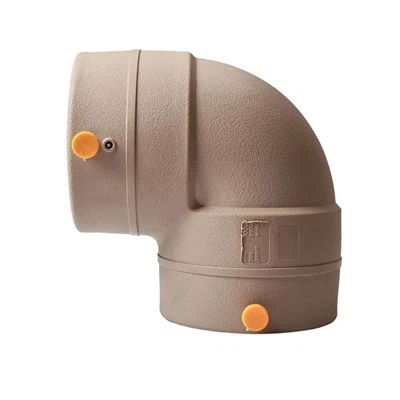


Dielectric strength is a crucial parameter when it comes to electrofusion fittings. As a supplier of electrofusion fittings, I've witnessed firsthand the significance of understanding this concept for ensuring the reliable and safe operation of these essential components in various applications. In this blog, I'll delve into what dielectric strength is, its importance in electrofusion fittings, and how it impacts the performance of our products.
Understanding Dielectric Strength
Dielectric strength refers to the maximum electric field that a dielectric material can withstand without experiencing electrical breakdown. In simpler terms, it's the ability of an insulating material to resist the flow of electric current under high - voltage conditions. When the electric field applied to a dielectric exceeds its dielectric strength, the material loses its insulating properties, and an electrical arc or breakdown occurs.
For electrofusion fittings, which are commonly made of high - density polyethylene (HDPE) or other polymers, dielectric strength is a measure of how well the fitting can insulate the electrical heating elements from the surrounding environment and the pipes they are connecting. The electrical heating elements in electrofusion fittings are used to melt the plastic and create a strong, leak - proof joint between the fitting and the pipes. If the dielectric strength of the fitting material is insufficient, it can lead to electrical short - circuits, which may result in poor joint quality, equipment damage, or even safety hazards.
Importance of Dielectric Strength in Electrofusion Fittings
Safety
Safety is of utmost importance in any application involving electrofusion fittings. A high dielectric strength ensures that the electrical current is confined to the heating elements and does not leak to the outside of the fitting. This prevents electric shocks to operators during installation and maintenance, as well as reduces the risk of fires or explosions in environments where flammable gases or liquids are present.
Reliability
Reliable joints are essential for the long - term performance of piping systems. When the dielectric strength of an electrofusion fitting is adequate, the electrical heating process can occur without interruptions due to electrical breakdown. This leads to consistent and high - quality joints that can withstand the pressure, temperature, and chemical conditions of the fluid being transported. A reliable joint reduces the likelihood of leaks, which can cause costly downtime, environmental damage, and product loss.
Compliance
Many industries have strict regulations and standards regarding the electrical safety of equipment, including electrofusion fittings. Meeting the required dielectric strength specifications is often a prerequisite for compliance with these standards. By ensuring that our electrofusion fittings have high dielectric strength, we help our customers meet regulatory requirements and avoid potential legal issues.
Factors Affecting the Dielectric Strength of Electrofusion Fittings
Material Quality
The quality of the polymer material used in electrofusion fittings has a significant impact on its dielectric strength. High - quality HDPE or other polymers with uniform molecular structure and low levels of impurities tend to have higher dielectric strength. During the manufacturing process, strict quality control measures are necessary to ensure that the material meets the required specifications.
Manufacturing Process
The manufacturing process of electrofusion fittings can also affect their dielectric strength. Factors such as extrusion temperature, cooling rate, and the presence of air bubbles or voids in the material can all influence the final dielectric properties of the fitting. Advanced manufacturing techniques and precise process control are essential for producing fittings with consistent and high dielectric strength.
Environmental Conditions
The dielectric strength of electrofusion fittings can be affected by environmental conditions such as temperature, humidity, and exposure to chemicals. High temperatures can reduce the dielectric strength of polymers, while high humidity can increase the conductivity of the material. Exposure to certain chemicals can also cause degradation of the polymer, leading to a decrease in dielectric strength over time.
Measuring Dielectric Strength
The dielectric strength of electrofusion fittings is typically measured using standardized test methods. One common method is the ASTM D149 test, which involves applying a gradually increasing voltage to a sample of the fitting material until electrical breakdown occurs. The voltage at which breakdown happens is then used to calculate the dielectric strength of the material.
In our manufacturing facilities, we conduct regular dielectric strength tests on our electrofusion fittings to ensure that they meet or exceed the industry standards. These tests are an integral part of our quality control process, and only fittings that pass the dielectric strength tests are released for sale.
Our Product Range and Dielectric Strength
As a supplier of electrofusion fittings, we offer a wide range of products, including HDPE Electrofusion Coupler, PE Electrofusion Fitting, and Electrofusion HDPE Pipe. All of our products are manufactured using high - quality materials and advanced manufacturing techniques to ensure excellent dielectric strength.


Our HDPE electrofusion couplers are designed to provide a reliable and leak - proof connection between two HDPE pipes. They have a high dielectric strength, which ensures safe and efficient operation during the electrofusion process. The PE electrofusion fittings are suitable for a variety of applications, including water supply, gas distribution, and industrial piping systems. These fittings are engineered to withstand high - voltage conditions and offer long - term performance.
Our electrofusion HDPE pipes are also manufactured with a focus on dielectric strength. The pipes are made from high - density polyethylene with excellent insulating properties, which helps to prevent electrical breakdown and ensure the integrity of the piping system.
Conclusion
In conclusion, dielectric strength is a critical property of electrofusion fittings. It plays a vital role in ensuring the safety, reliability, and compliance of these components in various applications. As a supplier of electrofusion fittings, we are committed to providing our customers with high - quality products that have excellent dielectric strength.
If you are in the market for electrofusion fittings and are looking for reliable products with high dielectric strength, we would love to hear from you. Whether you need HDPE electrofusion couplers, PE electrofusion fittings, or electrofusion HDPE pipes, our team of experts can help you find the right solutions for your specific needs. Contact us today to start a discussion about your requirements and explore how our electrofusion fittings can enhance the performance of your piping systems.
References
- ASTM D149 - Standard Test Method for Dielectric Breakdown Voltage and Dielectric Strength of Solid Electrical Insulating Materials at Commercial Power Frequencies.
- Technical literature on electrofusion fitting manufacturing and polymer materials.