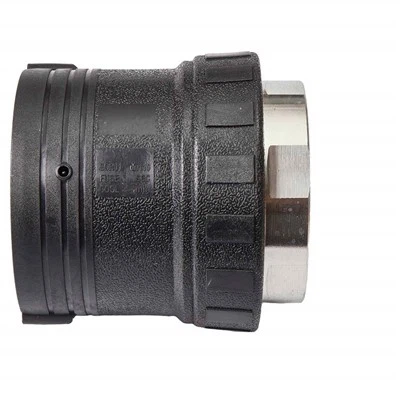


Can HDPE Male Adapters be used in aerospace applications?
In the aerospace industry, the selection of materials and components is of utmost importance. Every part must meet strict standards for safety, performance, and reliability. High - Density Polyethylene (HDPE) male adapters are a product that has been gaining attention in various industries, but the question remains: Can they be used in aerospace applications? As a supplier of HDPE male adapters, I'll explore this topic in detail.
Properties of HDPE
HDPE is a thermoplastic polymer known for its high strength - to - density ratio. It offers excellent chemical resistance, low moisture absorption, and good impact resistance. These properties make it suitable for a wide range of applications. For example, in the plumbing industry, HDPE pipes and adapters are commonly used due to their durability and corrosion resistance.
In aerospace, the environment is extremely harsh. Components are exposed to high temperatures, low pressures, and various chemicals. HDPE's chemical resistance is a significant advantage. It can withstand exposure to many common aerospace fluids, such as hydraulic fluids and fuels. However, one of the limitations of HDPE is its relatively low melting point compared to some other materials used in aerospace, like metals and certain high - performance polymers.
Advantages of HDPE Male Adapters in Aerospace
- Lightweight: Weight is a critical factor in aerospace. Every extra pound can increase fuel consumption and reduce the aircraft's range. HDPE male adapters are much lighter than their metal counterparts. This weight reduction can contribute to overall fuel efficiency and performance improvements. For instance, in satellite applications, where every gram matters, using HDPE male adapters can make a difference.
- Cost - effective: HDPE is generally less expensive than many aerospace - grade metals. This cost - effectiveness can be a significant advantage, especially for projects with budget constraints. By using HDPE male adapters, aerospace manufacturers can potentially reduce production costs without sacrificing too much in terms of performance.
- Corrosion resistance: Unlike metals, HDPE does not corrode. In aerospace, where components are often exposed to harsh environments, corrosion can lead to structural failures. HDPE male adapters can provide long - term reliability in such conditions, reducing the need for frequent maintenance and replacement.
Challenges of Using HDPE Male Adapters in Aerospace
- Temperature limitations: As mentioned earlier, HDPE has a relatively low melting point. In aerospace applications, components may be exposed to high temperatures during flight, especially during re - entry in the case of spacecraft. This temperature sensitivity can limit the use of HDPE male adapters in certain areas, such as near engines or in high - heat zones.
- Mechanical strength: While HDPE has good impact resistance, its mechanical strength may not be sufficient for some high - stress aerospace applications. For example, in areas where components are subjected to high pressures or vibrations, HDPE male adapters may not be able to withstand the forces without deformation or failure.
- Certification requirements: The aerospace industry has strict certification requirements. Any component used in an aircraft or spacecraft must meet specific standards and undergo rigorous testing. HDPE male adapters need to be tested and certified to ensure they meet these standards. This process can be time - consuming and expensive.
Potential Applications in Aerospace
- Fluid transfer systems: HDPE male adapters can be used in non - critical fluid transfer systems in aerospace. For example, in the transfer of non - high - pressure hydraulic fluids or water systems on an aircraft. Their corrosion resistance and lightweight nature make them suitable for such applications.
- Interior components: In the aircraft cabin, HDPE male adapters can be used for various interior systems, such as ventilation and water supply systems. They can provide a cost - effective and lightweight solution for these non - structural components.
Complementary Products
If you are considering using HDPE male adapters in aerospace applications, you may also be interested in our Female Thread Adapter HDPE and HDPE Female Threaded Adaptor. These products can work in conjunction with HDPE male adapters to create a complete fluid transfer or connection system. Additionally, our Electrofusion Threaded products offer a reliable way to join HDPE components, ensuring a secure and leak - free connection.


Conclusion
HDPE male adapters have both advantages and challenges when it comes to aerospace applications. Their lightweight, cost - effectiveness, and corrosion resistance make them an attractive option for certain non - critical aerospace applications. However, their temperature limitations and mechanical strength need to be carefully considered. As a supplier of HDPE male adapters, we are committed to providing high - quality products that meet the needs of our customers in the aerospace industry.
If you are interested in exploring the use of HDPE male adapters in your aerospace projects, we encourage you to contact us for further discussion. Our team of experts can provide more detailed information and help you determine if HDPE male adapters are the right choice for your specific application.
References
- "Aerospace Materials Handbook"
- "Plastics in Aerospace Applications" research papers from industry - leading institutions.