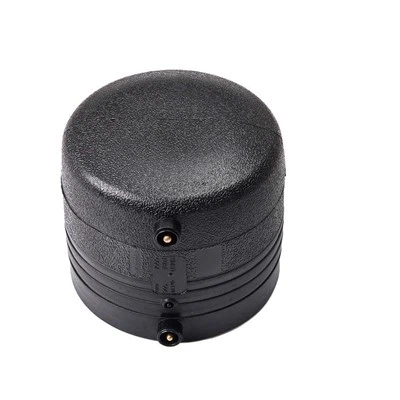


Can HDPE Male Adapters be Used in Vacuum Systems?
As a supplier of HDPE male adapters, I often encounter inquiries regarding the suitability of these products for various applications, including vacuum systems. This blog post aims to explore the question in depth and provide valuable insights for those considering the use of Male Adaptor HDPE in such environments.
Understanding HDPE Male Adapters
HDPE, or High-Density Polyethylene, is a thermoplastic polymer known for its high strength-to-density ratio, chemical resistance, and durability. HDPE male adapters are components designed to connect two different types of pipes or fittings, with a male thread on one end for easy installation. These adapters are commonly used in a wide range of industries, including plumbing, irrigation, and chemical processing.
The Male Adapter HDPE products we offer come in various sizes and configurations to meet different requirements. They are manufactured using high-quality HDPE materials and advanced production techniques to ensure reliable performance and long service life.
Factors to Consider for Vacuum Systems
Before determining whether HDPE male adapters can be used in vacuum systems, it is essential to understand the specific requirements and challenges of such systems. Vacuum systems operate at pressures below atmospheric pressure, which can cause unique stress and performance issues for the components used.
Material Compatibility
One of the primary considerations is the compatibility of HDPE with the vacuum environment. HDPE is generally resistant to a wide range of chemicals and has good tensile strength, which makes it suitable for many applications. However, in a vacuum system, the material may be exposed to different stress conditions, such as negative pressure and potential outgassing.
HDPE has a relatively low outgassing rate compared to some other plastics, which is an advantage in vacuum applications. Outgassing can contaminate the vacuum environment and affect the performance of the system. Our Electrofusion Threaded HDPE male adapters are designed to minimize outgassing and maintain a clean vacuum environment.
Pressure Resistance
Vacuum systems require components that can withstand the negative pressure without deforming or failing. The pressure resistance of HDPE male adapters depends on several factors, including the wall thickness, design, and the specific grade of HDPE used.
Our HDPE male adapters are engineered to have sufficient wall thickness to withstand the pressure differentials in typical vacuum systems. We also conduct rigorous testing to ensure that our products meet or exceed industry standards for pressure resistance. However, it is crucial to select the appropriate adapter size and configuration based on the specific requirements of the vacuum system.
Sealing Performance
A reliable seal is essential in a vacuum system to prevent air leakage and maintain the desired vacuum level. HDPE male adapters rely on threaded connections to seal with other pipes or fittings. The quality of the threading and the application of appropriate sealing materials, such as thread sealant or O-rings, are critical for ensuring a tight seal.
We provide high-precision threading on our HDPE male adapters to ensure a proper fit and reliable sealing. Additionally, we can offer guidance on the selection of suitable sealing materials based on the specific application and operating conditions.
Case Studies and Applications
To illustrate the practical use of HDPE male adapters in vacuum systems, let's look at some real-world case studies.


In a laboratory setting, a research facility was using a vacuum system for sample analysis. They needed to connect various glassware and tubing components, and they chose our HDPE male adapters for their chemical resistance and ease of installation. The adapters were able to maintain a reliable seal under vacuum conditions, allowing the researchers to conduct their experiments without any issues related to air leakage.
In the food processing industry, a manufacturer was using a vacuum packaging system. Our HDPE male adapters were used to connect the vacuum pump to the packaging machine. The adapters' durability and resistance to moisture and food-grade chemicals made them an ideal choice for this application. They have been in use for several years without any signs of wear or failure.
Advantages of Using HDPE Male Adapters in Vacuum Systems
There are several advantages to using HDPE male adapters in vacuum systems:
- Chemical Resistance: HDPE is resistant to a wide range of chemicals, making it suitable for use in vacuum systems where exposure to corrosive substances may occur.
- Lightweight and Easy to Install: HDPE male adapters are lightweight compared to metal adapters, which makes them easier to handle and install. They also do not require special tools for installation.
- Cost-Effective: HDPE is a relatively inexpensive material, which makes HDPE male adapters a cost-effective solution for vacuum system applications.
- Long Service Life: With proper installation and maintenance, HDPE male adapters can have a long service life, reducing the need for frequent replacements.
Limitations and Considerations
While HDPE male adapters offer many advantages, there are also some limitations and considerations to keep in mind:
- Temperature Limitations: HDPE has a relatively low melting point compared to some other materials. In high-temperature vacuum applications, the adapter may deform or fail. It is important to ensure that the operating temperature is within the recommended range for HDPE.
- Mechanical Strength: Although HDPE has good tensile strength, it may not be as strong as some metal materials. In applications where high mechanical stress is expected, additional support or reinforcement may be required.
- UV Resistance: HDPE is not naturally resistant to ultraviolet (UV) radiation. If the vacuum system is exposed to sunlight, the adapter may degrade over time. In such cases, UV-stabilized HDPE or protective coatings may be necessary.
Conclusion
In conclusion, HDPE male adapters can be used in vacuum systems under the right conditions. Their chemical resistance, lightweight design, and cost-effectiveness make them a viable option for many applications. However, it is crucial to consider factors such as material compatibility, pressure resistance, and sealing performance when selecting HDPE male adapters for a vacuum system.
As a supplier of high-quality HDPE male adapters, we are committed to providing our customers with the best products and technical support. If you are considering using HDPE male adapters in your vacuum system, please feel free to contact us for more information. We can help you select the right adapter for your specific requirements and ensure a successful installation.
If you have any questions or would like to discuss your vacuum system needs, don't hesitate to get in touch with our team. We look forward to the opportunity to work with you on your next project.
References
- "Plastics in Vacuum Technology" - A technical guide on the use of plastics in vacuum applications.
- Manufacturer's specifications for HDPE materials and products.
- Industry standards for vacuum system components and installation.