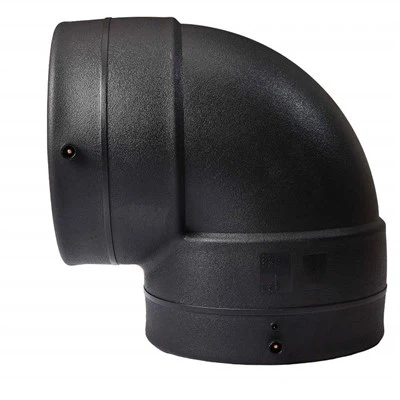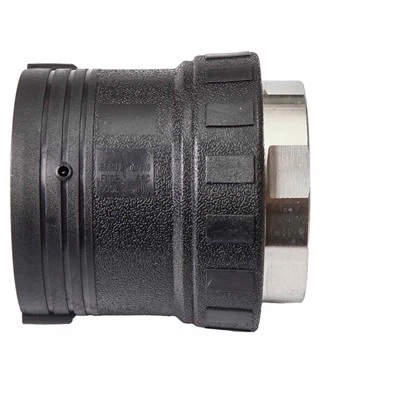


As a supplier of HDPE Male Adaptors, I've encountered a wide range of issues that customers face when using these products. Troubleshooting these problems is crucial to ensure the proper functioning of the HDPE Male Adaptors and the overall piping system. In this blog, I'll share some common problems and effective troubleshooting methods.
Leakage Issues
One of the most common problems with HDPE Male Adaptors is leakage. Leakage can occur at the connection points or through the body of the adaptor.
Connection Point Leakage
- Incorrect Installation: If the adaptor is not properly installed, it can lead to leakage. For example, if the sealing ring is not correctly seated or if the threads are not tightened properly. To troubleshoot this, first, check the installation instructions. Make sure the sealing ring is in good condition and is placed correctly in the groove. Then, use a torque wrench to tighten the threads to the recommended torque value.
- Worn Sealing Ring: Over time, the sealing ring can wear out, leading to leakage. Inspect the sealing ring for signs of wear, such as cracks or deformation. If the sealing ring is worn, replace it with a new one. You can find suitable sealing rings for your HDPE Male Adaptor from our product range.
Leakage through the Adaptor Body
- Material Defects: Sometimes, the adaptor body may have material defects, such as cracks or porosity. Inspect the adaptor body carefully for any visible signs of damage. If a defect is found, replace the adaptor immediately.
- Excessive Pressure: High pressure in the piping system can cause the adaptor body to crack or leak. Check the pressure in the system and make sure it is within the rated pressure of the HDPE Male Adaptor. If the pressure is too high, consider installing a pressure - reducing valve.
Flow Restriction
Another problem that customers may encounter is flow restriction. This can affect the efficiency of the piping system.
Blockage in the Adaptor
- Debris Accumulation: Debris, such as dirt, sand, or small particles, can accumulate inside the adaptor, causing blockage. To troubleshoot this, remove the adaptor from the piping system and clean it thoroughly. You can use a brush or a high - pressure water jet to remove the debris.
- Scaling: In some cases, scaling can occur inside the adaptor due to the presence of minerals in the fluid. Use a descaling agent to remove the scale. Make sure to follow the manufacturer's instructions when using the descaling agent.
Incorrect Adaptor Size
- Mismatched Diameter: If the diameter of the HDPE Male Adaptor is not compatible with the piping system, it can cause flow restriction. Check the specifications of the adaptor and the pipes to ensure they are the same size. If necessary, replace the adaptor with the correct size.
Compatibility Issues
Compatibility problems can also arise when using HDPE Male Adaptors.


Incompatible Materials
- Chemical Incompatibility: If the fluid in the piping system is chemically incompatible with the HDPE material of the adaptor, it can cause damage to the adaptor. Check the chemical compatibility chart provided by the manufacturer to ensure that the fluid is suitable for the HDPE Male Adaptor.
- Mechanical Incompatibility: The adaptor may not be mechanically compatible with other components in the piping system, such as flanges or valves. Make sure that all the components are designed to work together. For example, if you are using a Flange Adaptor for HDPE Pipe, ensure that it is compatible with the HDPE Male Adaptor and the flange.
Electrical Issues (for Electrofusion Adaptors)
If you are using Electrofusion Steel PE Transition Fittings, electrical issues can be a concern.
Poor Electrical Connection
- Loose Wires: Check the electrical connections to ensure that the wires are properly connected. Loose wires can cause poor electrical conductivity, which can affect the fusion process. Tighten any loose connections and make sure the wires are in good condition.
- Damaged Wires: Inspect the wires for any signs of damage, such as cuts or abrasions. If the wires are damaged, replace them immediately.
Incorrect Fusion Parameters
- Wrong Voltage or Time: The fusion process requires specific voltage and time settings. Refer to the manufacturer's instructions to ensure that the correct parameters are used. Incorrect parameters can result in a weak fusion joint, which may lead to leakage or other problems.
Conclusion
Troubleshooting problems with HDPE Male Adaptors requires a systematic approach. By identifying the root cause of the problem and taking appropriate measures, you can ensure the proper functioning of the adaptors and the overall piping system. If you are still facing problems after trying the above troubleshooting methods, or if you need more information about our products, please feel free to contact us for further assistance. We are always ready to help you with your HDPE Male Adaptor needs and look forward to discussing potential procurement opportunities with you.
References
- HDPE Piping System Installation Manuals
- Manufacturer's Specifications for HDPE Male Adaptors
- Chemical Compatibility Charts for HDPE Materials