

Can I use a Hdpe Male Threaded Adaptor for water pipes?
When it comes to plumbing systems for water pipes, the choice of fittings is crucial for ensuring a reliable and long - lasting installation. One such fitting that often comes into consideration is the HDPE male threaded adaptor. As a supplier of HDPE male threaded adaptors, I am frequently asked whether these adaptors can be used for water pipes. In this blog, we will explore the suitability of HDPE male threaded adaptors for water pipes, their advantages, limitations, and other related aspects.
Understanding HDPE Male Threaded Adaptors
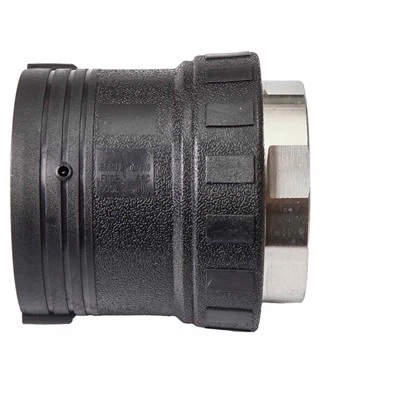
HDPE, or High - Density Polyethylene, is a thermoplastic polymer known for its high strength - to - density ratio. HDPE male threaded adaptors are designed with external threads that allow for easy connection to other components in a plumbing system. These adaptors are used to transition between pipes of different materials or to connect pipes to devices with female threads. For example, you can use an Male Adaptor HDPE to connect an HDPE pipe to a metal component with a female threaded end.
Suitability for Water Pipes
One of the primary reasons why HDPE male threaded adaptors are suitable for water pipes is the nature of the HDPE material. HDPE is resistant to corrosion, making it ideal for use in water - carrying systems. Corrosion is a major concern in plumbing, as it can lead to leaks, reduced water flow, and contamination of the water supply. With HDPE male threaded adaptors, these risks are significantly minimized.
HDPE also has excellent chemical resistance. It can withstand exposure to a wide range of chemicals commonly found in water, such as chlorine, which is used for water disinfection. This chemical resistance ensures the long - term integrity of the fitting and the overall plumbing system.
In addition, HDPE is a flexible material. This flexibility allows for some movement in the pipes without causing damage to the adaptors or the connections. In water systems, thermal expansion and contraction can occur due to changes in water temperature. The flexibility of HDPE male threaded adaptors helps to accommodate these changes, reducing the risk of leaks caused by stress on the joints.
Installation Considerations
Proper installation is key to ensuring the effectiveness of HDPE male threaded adaptors in water pipes. When installing these adaptors, it is important to ensure that the threads are clean and free from debris. This helps to create a tight seal between the adaptor and the mating component.
It is advisable to use a thread - sealing tape, such as Teflon tape, on the male threads. The tape fills any small gaps between the threads, preventing water from leaking out. However, care should be taken not to over - tighten the adaptor, as this can damage the threads or cause the HDPE to deform.
Another installation consideration is the compatibility of the HDPE male threaded adaptor with other components in the system. For example, if you are connecting the adaptor to a metal pipe, it is important to ensure that the connection is electrically isolated to prevent galvanic corrosion.
Advantages of Using HDPE Male Threaded Adaptors in Water Pipes
- Cost - effectiveness: HDPE is generally less expensive than many metals used in plumbing, such as copper or stainless steel. This makes HDPE male threaded adaptors a cost - effective choice for water pipe installations, especially in large - scale projects.
- Lightweight: HDPE is a lightweight material, which makes handling and installation easier. This reduces the labor costs associated with installing the adaptors and also makes it more convenient for DIY projects.
- Longevity: Due to its corrosion and chemical resistance, HDPE male threaded adaptors have a long service life. This means that once installed, they can provide reliable performance for many years, reducing the need for frequent replacements.
Limitations and Challenges
While HDPE male threaded adaptors offer many advantages, there are also some limitations. One of the main limitations is the relatively lower pressure rating compared to some metal fittings. HDPE has a lower tensile strength than metals, which means that it may not be suitable for high - pressure water systems. In such cases, it may be necessary to use other types of fittings, such as Electrofusion Steel PE Transition Fittings, which can handle higher pressures.
Another challenge is the potential for thread damage during installation or use. HDPE threads are less rigid than metal threads, and if not handled carefully, they can be easily stripped. It is important to use the correct tools and follow the proper installation procedures to avoid this problem.
Complementary Fittings
In a water pipe system, HDPE male threaded adaptors can be used in conjunction with other fittings. For example, HDPE Female Threaded Adaptor can be used to create connections between two male - threaded components. These complementary fittings allow for greater flexibility in designing and installing the plumbing system.


Conclusion
In conclusion, HDPE male threaded adaptors can be a suitable choice for water pipes in many applications. Their corrosion resistance, chemical resistance, flexibility, cost - effectiveness, and lightweight nature make them an attractive option for both residential and commercial water systems. However, it is important to consider their limitations, such as lower pressure ratings and the potential for thread damage.
If you are considering using HDPE male threaded adaptors for your water pipe project, I encourage you to reach out to discuss your specific requirements. Our team of experts can provide you with detailed information, guidance on installation, and help you select the right fittings for your needs. Whether you are a professional plumber or a DIY enthusiast, we are here to support you in creating a reliable and efficient water plumbing system.
References
- ASTM International. (Year). Standard specifications for HDPE pipes and fittings.
- Plumbing Engineering Handbook. (Year). A comprehensive guide to plumbing systems and fittings.