

Hey there! I'm a supplier of HDPE electrofusion fittings, and I've seen a lot of folks scratching their heads over how to adjust the installation parameters of these fittings according to different conditions. Well, you're in luck because I'm here to share some tips and tricks based on my experience in the field.
First off, let's talk about what HDPE electrofusion fittings are. These are fittings made from high - density polyethylene (HDPE) that use an electric current to melt the plastic and create a strong, leak - proof joint between pipes. They're super popular in a bunch of industries, like water supply, gas distribution, and sewage systems.
Temperature Considerations
One of the most important factors that can affect the installation of HDPE electrofusion fittings is temperature. You see, HDPE is a thermoplastic, which means its properties change with temperature.
In cold weather, say below 5°C, the HDPE becomes stiffer. This can make it a bit tricky to achieve a proper fusion. When it's cold, you might need to increase the fusion time and the welding current. For example, if the standard fusion time for a particular fitting at 20°C is 10 minutes, in cold weather, you might need to bump it up to 12 - 15 minutes. And the welding current, which could be 10 amps at 20°C, might need to be increased to 12 - 13 amps. This extra heat helps to ensure that the HDPE melts thoroughly and forms a good bond.
On the other hand, in hot weather, above 35°C, the HDPE is more flexible. You run the risk of over - melting the plastic, which can lead to a weak joint. So, in hot conditions, you should reduce the fusion time and the welding current. Maybe cut the fusion time down to 8 - 9 minutes and reduce the current to 8 - 9 amps.
Pipe Diameter and Wall Thickness
The diameter and wall thickness of the pipes you're connecting also play a huge role in setting the installation parameters.
For larger diameter pipes, you'll generally need more heat and a longer fusion time. A 630mm diameter pipe will require a significantly higher welding current and a longer fusion time compared to a 110mm diameter pipe. This is because there's more material to melt and fuse together.
Wall thickness matters too. Thicker - walled pipes need more energy to melt through. So, if you're working with pipes with a wall thickness of 20mm instead of 10mm, you'll have to increase the welding current and the fusion time accordingly.
Material of the Pipes
Not all HDPE pipes are created equal. Different manufacturers might use different grades of HDPE, which can have slightly different melting points and fusion characteristics.


Some HDPE pipes are made with additives to improve their strength, UV resistance, or other properties. These additives can affect how the pipe fuses with the electrofusion fitting. If you're using pipes with special additives, it's a good idea to do some test fusions first. Check the manufacturer's recommendations for the pipes and adjust the installation parameters based on the test results.
Pressure Rating of the System
The pressure rating of the system where the HDPE electrofusion fittings will be installed is another crucial factor.
For high - pressure systems, like those used in gas distribution, you need to make sure the joint is extremely strong. This might mean increasing the fusion time and the welding current slightly more than for a low - pressure water supply system. A high - pressure system requires a more robust fusion to prevent leaks under the stress of the high - pressure fluid or gas.
Adjusting the Installation Parameters Step - by - Step
Now that we've covered the different conditions that can affect the installation of HDPE electrofusion fittings, let's talk about how to actually adjust the parameters.
- Gather Information: First, collect all the relevant information about the pipes and the installation environment. This includes the pipe diameter, wall thickness, material grade, temperature, and the pressure rating of the system.
- Refer to Manufacturer's Guidelines: Every HDPE electrofusion fitting comes with a set of manufacturer's guidelines. These guidelines usually provide a starting point for the fusion time and welding current based on standard conditions. Use these as your baseline.
- Make Adjustments: Based on the conditions we discussed earlier, make the necessary adjustments to the fusion time and welding current. For example, if it's cold outside, add a few minutes to the fusion time and increase the current by a couple of amps.
- Test Fusions: Before you start the actual installation, it's always a good idea to do some test fusions. Cut a short section of the pipe, install the fitting, and perform the fusion. Then, inspect the joint. Look for signs of proper fusion, like a uniform bead around the joint. If the joint looks good, you're on the right track. If not, make further adjustments to the parameters.
Examples of HDPE Electrofusion Fittings
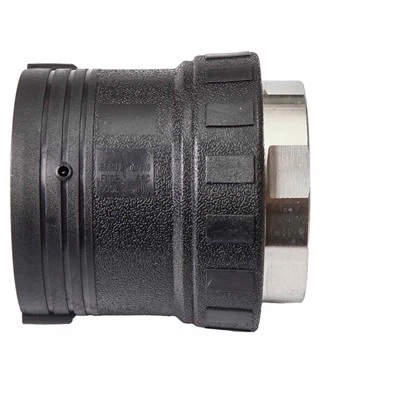
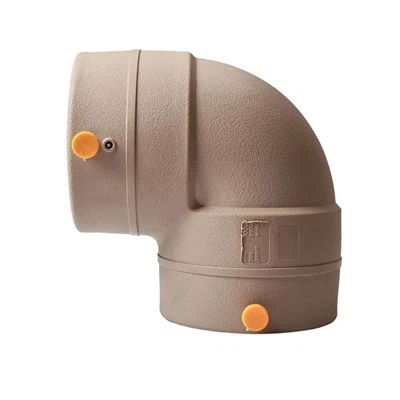
We offer a wide range of HDPE electrofusion fittings, such as the Electrofusion PE Cross, which is great for creating intersections in pipe networks. The PE Electrofusion 90° Elbow PN20 is perfect for changing the direction of the pipe, and the PE Electrofusion Flange PN20 is ideal for connecting pipes to other equipment.
Each of these fittings might require slightly different installation parameters depending on the conditions. But by following the steps I've outlined above, you can ensure a successful installation.
Conclusion
Adjusting the installation parameters of HDPE electrofusion fittings according to different conditions is crucial for a strong, leak - proof joint. Temperature, pipe diameter, wall thickness, pipe material, and system pressure all play important roles. By gathering information, referring to manufacturer's guidelines, making adjustments, and doing test fusions, you can achieve a great result.
If you're in the market for high - quality HDPE electrofusion fittings and need more advice on installation parameters, don't hesitate to reach out. We're here to help you with all your piping needs. Whether you're a contractor working on a large - scale project or a DIY enthusiast, we've got the right fittings and the know - how to make your installation a success.
References
- "HDPE Pipe Fusion Handbook" - Industry standard guide on HDPE pipe fusion techniques.
- Manufacturer's manuals for HDPE electrofusion fittings.