


Electrofusion welding is a crucial process in joining PPR (Polypropylene Random Copolymer) pipes and fittings, offering a reliable and durable connection. However, one of the common challenges faced during electrofusion PPR welding is over - heating. Over - heating can lead to a range of issues, including poor weld quality, weak joints, and even damage to the pipes and fittings. As an Electrofusion PPR supplier, I understand the importance of avoiding over - heating to ensure successful welding operations. In this blog, I will share some effective strategies to prevent over - heating during electrofusion PPR welding.
Understanding the Causes of Over - heating
Before we delve into the prevention methods, it's essential to understand what causes over - heating in electrofusion PPR welding. There are several factors that can contribute to this problem:

1. Incorrect Welding Parameters
Using the wrong welding current, voltage, or welding time can lead to excessive heat generation. Each PPR electrofusion fitting has specific welding parameters recommended by the manufacturer. If these parameters are not followed precisely, over - heating is likely to occur. For example, setting a higher current than recommended will increase the heat output, causing the PPR material to melt too quickly and potentially overheat.
2. Poor Surface Preparation
If the surfaces of the pipes and fittings are not properly cleaned and prepared before welding, it can affect the heat transfer during the welding process. Contaminants such as dirt, grease, or moisture on the surfaces can act as insulators, preventing the even distribution of heat. As a result, some areas may receive more heat than others, leading to over - heating in those spots.
3. Faulty Welding Equipment
Welding machines that are not functioning correctly can also cause over - heating. A malfunctioning power supply, for instance, may deliver inconsistent or excessive power to the electrofusion fitting. Similarly, a damaged heating element in the fitting itself can cause uneven heat distribution and over - heating.
4. Environmental Conditions
High ambient temperatures can exacerbate the problem of over - heating during electrofusion PPR welding. When the surrounding temperature is already high, the additional heat generated during welding can push the PPR material beyond its safe temperature range. Humidity can also affect the welding process, as moisture can interfere with the electrical conductivity and heat transfer.
Strategies to Avoid Over - heating
1. Follow Manufacturer's Welding Parameters
The most important step in avoiding over - heating is to strictly adhere to the manufacturer's recommended welding parameters. These parameters are carefully determined through extensive testing to ensure optimal weld quality. Before starting the welding process, always refer to the product manual or data sheet provided by the manufacturer. Make sure to set the correct current, voltage, and welding time on your welding machine. For example, if the recommended welding time for a PPR Electrofusion Tee is 120 seconds at a specific current, do not deviate from these values.
2. Proper Surface Preparation
Thorough surface preparation is crucial for a successful electrofusion weld. Start by cleaning the surfaces of the pipes and fittings with a suitable cleaning agent to remove any dirt, grease, or moisture. Use a dedicated pipe cleaner or a lint - free cloth soaked in a mild solvent. After cleaning, use a scraper to remove the outer layer of the pipe, exposing a fresh and clean surface. This will improve the adhesion between the pipe and the fitting and ensure better heat transfer. Make sure to clean and scrape the surfaces immediately before welding to prevent re - contamination.
3. Regular Equipment Maintenance
Regular maintenance of your welding equipment is essential to prevent over - heating. Check your welding machine regularly for any signs of damage or malfunction. Inspect the power supply, cables, and connectors for loose connections or frayed wires. Calibrate the welding machine periodically to ensure that it is delivering the correct power output. Additionally, inspect the electrofusion fittings before use. Look for any visible damage to the heating element or the fitting body. If a fitting is damaged, do not use it, as it can cause over - heating and a poor weld.
4. Monitor Environmental Conditions
Pay close attention to the environmental conditions during welding. Avoid welding in extremely hot or humid conditions if possible. If you must weld in high - temperature environments, take extra precautions such as providing shade or using cooling fans to lower the ambient temperature around the welding area. You can also adjust the welding parameters slightly to compensate for the higher ambient temperature, but only after consulting with the manufacturer. In humid conditions, ensure that the pipes and fittings are dry before welding. You may need to use a heat gun or a desiccant to remove any moisture.
5. Use Quality Pipes and Fittings
Using high - quality PPR pipes and PPR Electrofusion Pipe Fittings is crucial for preventing over - heating. Inferior quality materials may have inconsistent properties, which can lead to uneven heat distribution and over - heating during welding. As a supplier, I always recommend using products from reputable manufacturers that meet industry standards. High - quality PPR materials have better heat resistance and are more likely to produce a strong and reliable weld.
6. Implement Welding Process Monitoring
During the welding process, it's important to monitor the temperature and other parameters closely. Some advanced welding machines come with built - in temperature sensors that can provide real - time temperature readings. Use these sensors to ensure that the temperature remains within the safe range. If you notice any signs of over - heating, such as excessive smoke or a burning smell, stop the welding process immediately and investigate the cause. You can also use infrared thermometers to measure the surface temperature of the pipes and fittings during welding.
Importance of Avoiding Over - heating
Avoiding over - heating during electrofusion PPR welding is not just about preventing immediate problems; it also has long - term implications for the performance and durability of the plumbing system. A properly welded joint that is free from over - heating issues will have better mechanical strength and chemical resistance. It will be less likely to develop leaks or cracks over time, reducing the need for costly repairs and maintenance. Additionally, a high - quality weld ensures the smooth flow of fluids through the pipes, improving the overall efficiency of the plumbing system.
Conclusion
Over - heating during electrofusion PPR welding is a common problem that can be effectively avoided by following the right procedures and taking appropriate precautions. As an Electrofusion PPR supplier, I am committed to providing high - quality products and sharing knowledge to help our customers achieve successful welding results. By following the strategies outlined in this blog, you can ensure that your electrofusion PPR welds are of the highest quality, free from over - heating issues, and built to last.
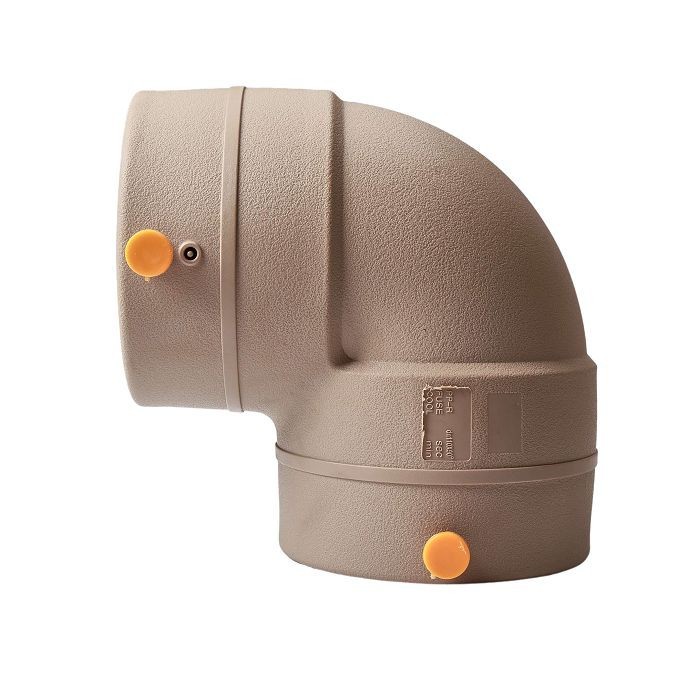
If you are interested in purchasing high - quality PPR Electrofusion 90 Degree Elbow or other PPR electrofusion fittings, please feel free to contact us for more information and to discuss your procurement needs. We are here to assist you in finding the best solutions for your plumbing projects.
References
- "PPR Pipe and Fittings Installation Guide", Industry Standard Publication
- "Electrofusion Welding Technology for Plastics Pipes", Research Report on Plastic Pipe Welding


