


Voltage fluctuation is a common yet potentially troublesome issue when it comes to PPR Electrofusion. As a PPR Electrofusion supplier, I've witnessed firsthand the challenges that voltage instability can pose to the electrofusion process. In this blog, I'll share some insights on how to deal with voltage fluctuation during PPR Electrofusion, drawing on my experience in the industry and the knowledge of the products we supply.
Understanding the Impact of Voltage Fluctuation on PPR Electrofusion
Before delving into solutions, it's crucial to understand why voltage fluctuation matters in PPR Electrofusion. PPR Electrofusion is a process that relies on electrical energy to heat the heating wires embedded in the fittings, such as PPR Electrofusion Pipe Fittings. The heat generated melts the PPR material, creating a strong and leak - proof joint between the pipe and the fitting.
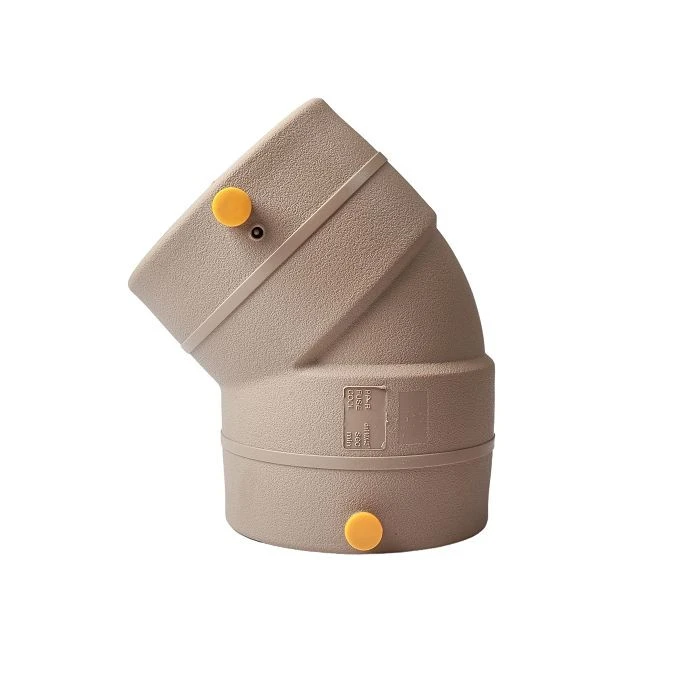

When the voltage fluctuates, it directly affects the amount of heat produced. If the voltage is too low, the heating wires may not reach the required temperature, resulting in an incomplete fusion. This can lead to weak joints that are prone to leakage over time. On the other hand, if the voltage is too high, the excessive heat can cause the PPR material to over - melt, leading to material degradation, deformation of the fitting, and also a compromised joint quality.
Causes of Voltage Fluctuation
There are several factors that can cause voltage fluctuation during PPR Electrofusion.
- Power Grid Issues: The power grid itself can be a source of voltage instability. In areas with an old or overloaded power infrastructure, voltage sags or surges are more likely to occur. For example, during peak electricity consumption periods, the demand on the grid may exceed its capacity, leading to a drop in voltage.
- Distance from the Power Source: The farther the electrofusion equipment is from the power source, the greater the voltage drop. This is because the electrical resistance in the cables increases with distance, causing a reduction in the voltage reaching the equipment.
- Faulty Electrical Equipment: Faulty transformers, circuit breakers, or other electrical components in the power supply system can also cause voltage fluctuations. These issues may not be immediately obvious but can have a significant impact on the electrofusion process.
Solutions to Deal with Voltage Fluctuation
1. Use a Voltage Stabilizer
A voltage stabilizer is an essential tool for combating voltage fluctuation. It works by automatically adjusting the input voltage to a stable output voltage, ensuring that the electrofusion equipment receives a consistent power supply. When choosing a voltage stabilizer, it's important to select one with a suitable capacity for your electrofusion equipment. The capacity should be rated to handle the maximum power requirements of the equipment to ensure reliable operation.
For example, if your PPR Electrofusion Coupler requires a certain amount of power during the fusion process, the voltage stabilizer should be able to supply that power without being overloaded. Installing a voltage stabilizer at the power input of your electrofusion equipment can significantly reduce the risk of voltage - related issues.
2. Check and Maintain Electrical Cables
As mentioned earlier, the electrical cables can contribute to voltage drop. Regularly inspect the cables for any signs of damage, such as fraying, cuts, or corrosion. Damaged cables can increase the electrical resistance, leading to a greater voltage drop. Replace any damaged cables immediately to ensure a proper electrical connection.
Also, make sure that the cables are of the appropriate gauge for the electrofusion equipment. Using cables with a too - small gauge can result in excessive voltage drop, while cables with a too - large gauge may be unnecessary and costly. Consult the equipment manufacturer's specifications to determine the correct cable gauge.
3. Monitor the Voltage
Invest in a voltage monitoring device to keep track of the voltage during the electrofusion process. This can help you detect any voltage fluctuations early and take appropriate action. Some voltage monitoring devices can provide real - time data and even send alerts if the voltage goes outside the acceptable range.
By monitoring the voltage, you can also identify patterns of voltage fluctuation. For example, if you notice that the voltage drops at a certain time of day, you can schedule your electrofusion work during periods of more stable voltage.
4. Choose the Right Time for Electrofusion
As mentioned, the power grid may experience more voltage instability during peak consumption periods. Try to schedule your PPR Electrofusion work during off - peak hours when the demand on the power grid is lower. This can reduce the likelihood of voltage fluctuations and ensure a more consistent power supply for the electrofusion process.
5. Select High - Quality Electrofusion Equipment
High - quality electrofusion equipment is often more resistant to voltage fluctuations. When choosing PPR Electrofusion equipment, look for products that have built - in voltage protection features. These features can help the equipment tolerate a certain degree of voltage variation without compromising the fusion quality.
Training and Education
Proper training of the operators is also crucial in dealing with voltage fluctuation during PPR Electrofusion. Operators should be educated about the importance of voltage stability and the potential consequences of voltage fluctuation. They should know how to use the voltage monitoring devices, operate the voltage stabilizer, and recognize the signs of voltage - related issues during the electrofusion process.
Regular training sessions can keep the operators updated on the latest techniques and best practices for dealing with voltage fluctuation. This can improve the overall quality of the electrofusion work and reduce the number of defective joints caused by voltage issues.
Conclusion
Voltage fluctuation is a challenge that can affect the quality of PPR Electrofusion joints. However, by understanding the causes of voltage fluctuation and implementing the appropriate solutions, such as using a voltage stabilizer, checking and maintaining electrical cables, monitoring the voltage, choosing the right time for electrofusion, and selecting high - quality equipment, it is possible to minimize the impact of voltage instability.
As a PPR Electrofusion supplier, we are committed to providing high - quality products and solutions to our customers. If you are facing issues with voltage fluctuation during PPR Electrofusion or are interested in our PPR Electrofusion Pipe Fittings, PPR Electrofusion, or PPR Electrofusion Coupler, please feel free to contact us for further discussion and potential procurement opportunities.
References
- Industry standards and guidelines for PPR Electrofusion.
- Manufacturer's manuals for electrofusion equipment and voltage stabilizers.
- Technical papers on electrical power distribution and its impact on industrial processes.


