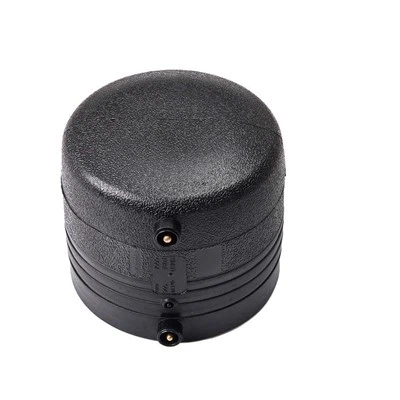


Hey there! As a supplier of PPR electrofusion couplers, I've seen firsthand how crucial it is to ensure the long - term stability of these connections. PPR electrofusion couplers are widely used in plumbing systems, and their reliability can make or break a project. So, let's dive into some key factors that can help you achieve that long - term stability.
1. Proper Surface Preparation
The first step in ensuring a stable PPR electrofusion coupler connection is proper surface preparation. Before you start the fusion process, you need to make sure that the surfaces of both the pipe and the coupler are clean and free from any dirt, grease, or oxidation.
I usually recommend using a dedicated pipe cleaner to wipe down the surfaces. This simple step can significantly improve the adhesion between the pipe and the coupler. If there's any debris on the surface, it can create weak spots in the connection, which may lead to leaks or failures over time.
2. Correct Insertion Depth
Getting the insertion depth right is super important. The pipe should be inserted into the coupler to the specified depth. This depth is usually marked on the coupler itself. If the pipe is inserted too shallow, the connection won't be strong enough, and if it's inserted too deep, it can cause the coupler to deform.
To ensure the correct insertion depth, you can use a measuring tool or follow the markings on the coupler. It's a small detail, but it can have a big impact on the long - term stability of the connection.
3. Accurate Fusion Parameters
Each PPR electrofusion coupler has specific fusion parameters, such as voltage, time, and current. These parameters are designed to ensure that the plastic in the coupler and the pipe melts and fuses together properly.
You need to use a high - quality electrofusion welding machine that can accurately control these parameters. Don't try to cut corners by using incorrect settings. Using the wrong voltage or time can result in an incomplete fusion, which will weaken the connection.
4. Environmental Conditions
The environment where the fusion is taking place also matters. Extreme temperatures and high humidity can affect the fusion process. For example, if it's too cold, the plastic may not melt evenly, and if it's too humid, moisture can get trapped in the connection, leading to problems later on.
Try to perform the fusion in a controlled environment as much as possible. If you have to work outdoors, make sure to take precautions, such as using a shelter or waiting for better weather conditions.
5. Quality of Materials
The quality of the PPR electrofusion coupler and the pipe is a no - brainer. You should always use high - quality products. Inferior materials may have inconsistent properties, which can lead to weak connections.
As a supplier, I always make sure that our PPR Electrofusion couplers are made from top - notch materials. We test them rigorously to ensure they meet the highest standards.
6. Post - Fusion Inspection
After the fusion is complete, it's essential to inspect the connection. Look for any signs of uneven melting, cracks, or gaps. A visual inspection can help you identify any potential problems early on.
You can also perform a pressure test to check the integrity of the connection. This test will simulate the actual working conditions and help you ensure that the connection can withstand the pressure.
7. Regular Maintenance
Even after a successful fusion, regular maintenance is key to ensuring long - term stability. Check the connections periodically for any signs of wear and tear. Look for leaks, discoloration, or any other abnormalities.
If you notice any issues, address them immediately. Small problems can quickly turn into big ones if left unattended.
8. Compatibility
Make sure that the PPR electrofusion coupler is compatible with the pipe. Different types of PPR pipes may have different properties, and using an incompatible coupler can lead to problems.
When you're choosing a coupler, check the specifications and make sure it's designed to work with the type of pipe you're using. This will help you avoid compatibility issues and ensure a stable connection.
9. Training and Expertise
Proper training is crucial for anyone performing PPR electrofusion. The person doing the fusion should be familiar with the equipment, the process, and the safety procedures.
If you're a contractor or a DIY enthusiast, consider taking a training course on PPR electrofusion. This will give you the knowledge and skills you need to make reliable connections.
10. Use of Accessories
Sometimes, using accessories can enhance the long - term stability of the connection. For example, PPR Electrofusion Flange can be used in certain applications to provide additional support and stability.

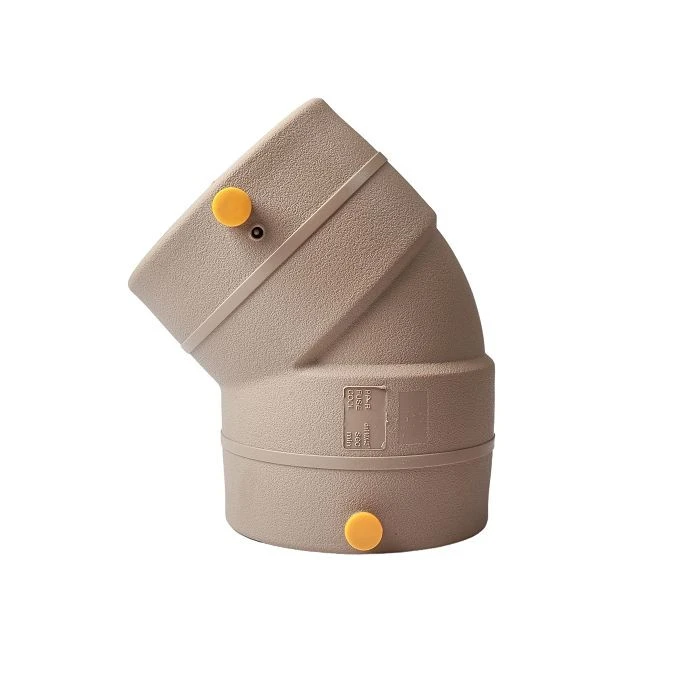
These accessories are designed to work in conjunction with the electrofusion couplers and can help improve the overall performance of the plumbing system.
11. Avoiding Mechanical Stress
Mechanical stress can put a lot of strain on the PPR electrofusion coupler connection. Make sure that the pipes are properly supported and that there's no excessive bending or twisting.
If the pipes are subject to vibration or movement, use flexible connectors or supports to reduce the stress on the connections. This will help prevent the connection from failing over time.
12. Documentation
Keep detailed documentation of the fusion process. Record the fusion parameters, the date of installation, and any inspection results. This documentation can be useful for future reference and for troubleshooting if any problems occur.
It also provides a record of the work done, which can be important for quality control and warranty purposes.
13. Testing and Certification
Choose PPR electrofusion couplers that have been tested and certified by recognized standards organizations. This certification ensures that the couplers meet certain quality and performance requirements.
Certified products are more likely to provide long - term stability and reliability. Look for certifications such as ISO or ASTM on the product packaging.
14. Consider the Application
Different applications may have different requirements for the PPR electrofusion coupler connection. For example, a high - pressure water supply system will need a stronger connection than a low - pressure drainage system.
Make sure to choose the right type of coupler for the specific application. You can also consult with a professional if you're not sure which coupler is best for your project.
15. Follow Manufacturer's Instructions
Last but not least, always follow the manufacturer's instructions. The manufacturer knows their product best and has provided detailed guidelines on how to install and use the coupler correctly.
Don't deviate from these instructions, as it can void the warranty and compromise the long - term stability of the connection.
In conclusion, ensuring the long - term stability of a PPR electrofusion coupler connection requires attention to detail and following best practices. By taking these steps, you can make sure that your plumbing system will last for a long time.
If you're in the market for high - quality PPR electrofusion couplers, PPR Electrofusion Tee and other related products, feel free to get in touch with us. We're here to help you with your plumbing needs and ensure that you get the best products for your projects. Let's start a conversation about your requirements and see how we can work together!
References
- "Plastic Pipes Handbook" by Berndt Knauf
- "PPR Pipe Installation Guide" by various industry experts