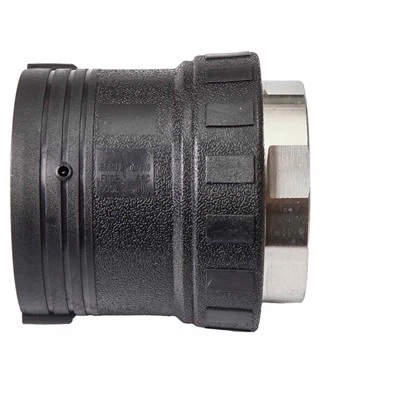


Hey there! As a supplier of Pipe Electrofusion, I've seen firsthand the importance of efficiency in pipe electrofusion operations. In this blog, I'm gonna share some tips and tricks on how to boost the efficiency of these operations.
Understanding the Basics of Pipe Electrofusion
First things first, let's quickly go over what pipe electrofusion is. Electrofusion is a method of joining pipes, usually made of high - density polyethylene (HDPE). It uses an electric current to heat up a resistive wire inside a fitting, like an Electrofusion HDPE Coupler. This heat melts the pipe and the fitting, creating a strong, leak - proof joint.
Pre - operation Preparation
Pipe and Fitting Selection
Choosing the right pipes and fittings is crucial. Make sure the pipes and Electrofusion Fittings are of the correct size and material. Mismatched components can lead to weak joints and wasted time. For example, if the pipe diameter doesn't match the fitting, it won't fit properly, and you'll have to start over.
Surface Preparation
Clean the pipe surfaces thoroughly before the electrofusion process. Any dirt, grease, or oxidation can prevent a good bond. Use a dedicated pipe cleaner or a mild solvent to wipe the surfaces. Also, make sure to remove any burrs or rough edges on the pipes. This simple step can save a lot of headaches later on.
Equipment Check
Before starting the operation, check your electrofusion welding machine. Make sure it's in good working condition, the cables are intact, and the settings are correct. A faulty machine can cause inconsistent joints or even stop the operation altogether. Test the machine on a scrap piece of pipe if possible.
The Electrofusion Process
Insertion of Pipes into Fittings
Insert the pipes into the electrofusion fittings carefully. Align them properly to ensure an even distribution of heat during the welding process. Use a pipe alignment tool if necessary. If the pipes are not inserted correctly, the joint may be weak on one side, leading to potential leaks.
Welding Parameters
Set the correct welding parameters on the electrofusion machine. These parameters depend on the pipe size, material, and the type of fitting. Refer to the manufacturer's guidelines for the specific values. Incorrect parameters can result in under - or over - welded joints. For instance, if the welding time is too short, the joint won't be fully formed; if it's too long, the material may overheat and degrade.
Monitoring the Process
Keep an eye on the electrofusion process. Most modern machines have indicators that show the progress of the welding. Watch for any signs of abnormal behavior, such as excessive smoke or uneven melting. If you notice anything wrong, stop the process immediately and troubleshoot.
Post - operation Inspection
Visual Inspection
After the joint has cooled down, do a visual inspection. Look for any signs of cracks, bubbles, or unevenness in the joint. A good joint should have a smooth, uniform appearance. If you see any defects, you may need to cut out the joint and redo it.
Pressure Testing
Perform a pressure test on the newly joined pipes. This will help you detect any leaks that may not be visible during the visual inspection. Apply the appropriate pressure for the specified time and check for any drops in pressure. If there's a leak, you'll need to find the source and repair it.
Training and Skill Development
Operator Training
Ensure that your operators are well - trained in pipe electrofusion operations. Provide them with comprehensive training on the equipment, processes, and safety procedures. A skilled operator can perform the operations more efficiently and with fewer errors.
Continuous Learning
Encourage your operators to keep learning and staying updated on the latest techniques and technologies in pipe electrofusion. Attend industry seminars, workshops, or online courses. This way, they can bring new ideas and best practices back to the workplace.


Maintenance and Record - keeping
Equipment Maintenance
Regularly maintain your electrofusion equipment. Clean the machine, replace worn - out parts, and calibrate it as needed. Proper maintenance can extend the lifespan of the equipment and ensure consistent performance.
Record - keeping
Keep detailed records of each electrofusion operation. Record the pipe and fitting details, welding parameters, inspection results, and any issues encountered. This information can be useful for future reference, quality control, and troubleshooting.
Conclusion
Improving the efficiency of pipe electrofusion operations requires attention to detail at every step, from pre - operation preparation to post - operation inspection. By following these tips, you can reduce the time and resources spent on each joint, increase the quality of your work, and ultimately, boost your bottom line.
If you're interested in purchasing high - quality Electro Fusion Joint HDPE or other electrofusion products, feel free to reach out to us for a procurement discussion. We're here to help you with all your pipe electrofusion needs.
References
- Manufacturer's guidelines for electrofusion equipment and fittings.
- Industry standards for HDPE pipe electrofusion operations.
- Technical papers on pipe joining technologies.