


Yo, what's up everyone? I'm a supplier of Flange Adaptor For HDPE Pipe. Today, I'm gonna share with you how to install a flange adaptor for HDPE pipe when there's high - temperature internal fluid flowing through the HDPE pipe.
First off, let's talk about why we need to install flange adaptors in the first place. When dealing with HDPE pipes carrying high - temperature fluids, having a proper flange adaptor is crucial. It helps in connecting different parts of the piping system securely. It allows for easy disconnection and reconnection during maintenance or system upgrades. And of course, it ensures a tight seal to prevent any leakage of the high - temperature fluid, which can be a real safety hazard.
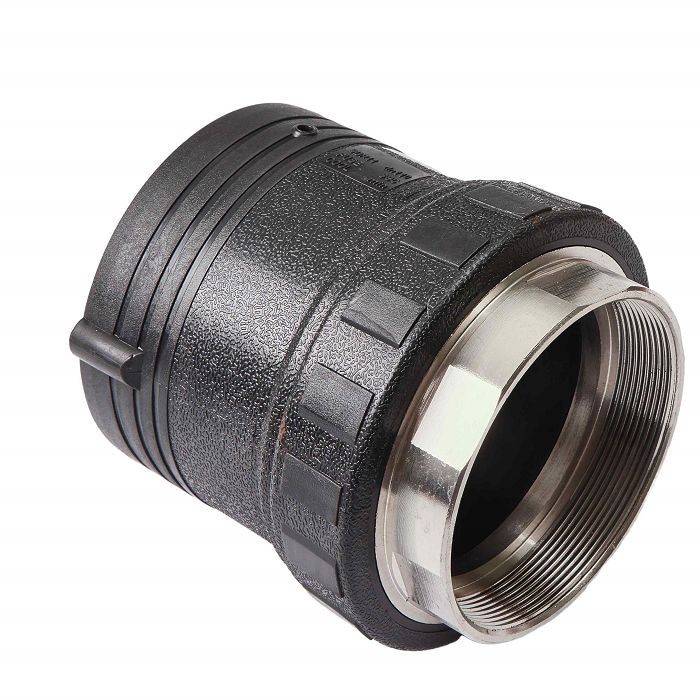
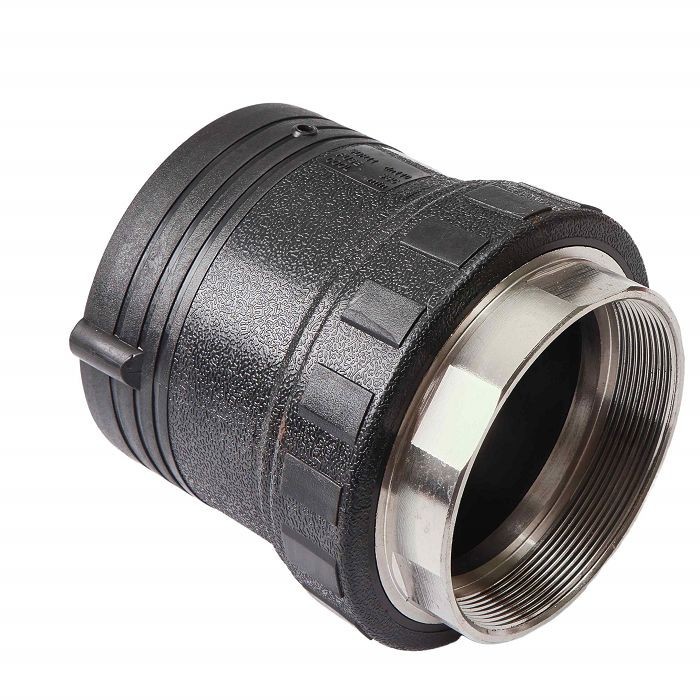
Pre - installation Preparations
Before you even think about installing the flange adaptor, there are a few preparations you gotta do.
Material Inspection
Check the HDPE pipe thoroughly. Look for any cracks, scratches, or deformities. High - temperature fluids can put extra stress on the pipe, so even a small flaw can lead to big problems. Also, inspect the flange adaptor. Make sure it's the right size and type for your HDPE pipe. You can check out our HDPE Male Adaptor, Poly Flange Adapter, and Female Thread Adapter HDPE on our website to find the perfect match.
Cleaning
Clean both the HDPE pipe and the flange adaptor. Remove any dirt, debris, or grease. A clean surface is essential for a good connection and seal. You can use a mild detergent and a soft cloth to do the cleaning. Then, rinse it off with water and let it dry completely.
Measuring
Measure the pipe diameter accurately. This is super important because the flange adaptor needs to fit snugly. Use a reliable measuring tool like a caliper. Double - check your measurements to avoid any mistakes.
Installation Steps
Step 1: Cutting the HDPE Pipe
If necessary, cut the HDPE pipe to the right length. Use a sharp pipe cutter. Make sure the cut is straight and clean. After cutting, deburr the edges of the pipe to prevent any damage to the flange adaptor during installation.
Step 2: Preparing the Pipe End
Chamfer the end of the HDPE pipe. This helps in inserting the pipe into the flange adaptor smoothly. You can use a chamfering tool to do this. The chamfer should be around 15 - 30 degrees.
Step 3: Applying the Adhesive (if required)
Some flange adaptors require the use of an adhesive. If that's the case for your adaptor, apply the adhesive evenly on the pipe end and inside the adaptor socket. Make sure to follow the manufacturer's instructions regarding the type of adhesive to use and the application process.
Step 4: Inserting the Pipe into the Adaptor
Gently insert the prepared HDPE pipe into the flange adaptor. Push it in straight until it reaches the bottom of the adaptor socket. If you're using an adhesive, hold the pipe in place for the recommended curing time to allow the adhesive to bond properly.
Step 5: Aligning the Flange
Once the pipe is inserted into the adaptor, align the flange with the mating flange. Make sure the bolt holes on both flanges line up perfectly. You can use a flange alignment tool to make this process easier.
Step 6: Bolting the Flanges Together
Insert the bolts through the bolt holes in both flanges. Use the correct size of bolts and nuts. Start tightening the bolts in a criss - cross pattern. This helps in distributing the pressure evenly and ensures a tight seal. Don't over - tighten the bolts, as this can damage the flanges.
Dealing with High - Temperature Issues
When the HDPE pipe is carrying high - temperature internal fluid, there are some additional factors to consider.
Thermal Expansion
HDPE pipes expand when exposed to high temperatures. Make sure to leave some room for thermal expansion in the installation. You can use expansion joints or flexible connections to accommodate this expansion.
Heat Resistance
Choose a flange adaptor that can withstand the high temperature of the fluid. Some flange adaptors are specifically designed for high - temperature applications. Check the product specifications to ensure it meets your requirements.
Insulation
Consider insulating the HDPE pipe and the flange adaptor. This helps in reducing heat loss and protecting the surrounding environment from the high - temperature fluid. You can use insulation materials like fiberglass or foam.
Maintenance and Troubleshooting
Even after a successful installation, you need to keep an eye on the flange adaptor and the HDPE pipe.
Regular Checks
Periodically check the flange adaptor for any signs of leakage, corrosion, or damage. If you notice any problems, address them immediately. Tighten the bolts if they've become loose.
Troubleshooting
If you encounter a leakage, first check the bolts to make sure they're tightened properly. If that doesn't solve the problem, it could be an issue with the seal. You may need to replace the gasket or the entire flange adaptor.
In conclusion, installing a flange adaptor for HDPE pipe with high - temperature internal fluid isn't too complicated if you follow these steps and take the necessary precautions. If you have any questions or need more information about our Flange Adaptor For HDPE Pipe, feel free to reach out for a purchase consultation. We're here to help you get the best solution for your piping needs.
References
- "HDPE Pipe Installation Guide", Industry Standard Publication
- "High - Temperature Fluid Handling in Piping Systems", Technical Research Paper


