

Hey there! As a supplier of Pipe Electrofusion, I often get asked about how to measure the joint integrity of pipe electrofusion non - destructively. It's a crucial aspect in our industry, and I'm here to share some insights with you.
First off, let's understand why non - destructive testing (NDT) for electrofusion joints is so important. In the world of piping systems, a faulty joint can lead to all sorts of problems, like leaks, reduced efficiency, and even safety hazards. And let's face it, tearing apart a perfectly good pipe system to check a joint is just not practical. That's where NDT comes in handy.
One of the most common methods is ultrasonic testing. Ultrasonic waves are sent through the electrofusion joint. If there are any flaws, like voids or lack of fusion, these waves will bounce back differently than they would from a perfect joint. It's like using sonar to find hidden objects in the ocean, but instead, we're looking for defects in our pipes. The equipment for ultrasonic testing is relatively easy to use. You just place a transducer on the surface of the joint, and it sends out those ultrasonic waves. Then, based on the echoes that come back, you can analyze the data and figure out if there are any issues.
Another method is eddy - current testing. This technique works by creating an alternating magnetic field around the joint. When there are defects in the joint, the flow of eddy currents in the metal (if there's any metal component in the electrofusion setup) is disrupted. By measuring these changes in the eddy currents, we can detect flaws. Eddy - current testing is great because it can quickly scan large areas of the joint. It's also pretty sensitive, so it can pick up even small defects.
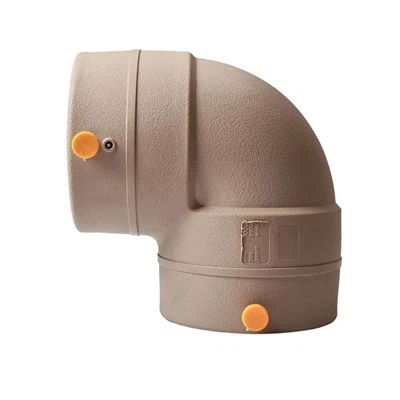
Now, let's talk about some of the products we offer that are related to pipe electrofusion. We have a great selection of HDPE Electrofusion Socket. These sockets are designed to provide a strong and reliable connection between HDPE pipes. They use electrofusion technology, which means that when an electric current is applied, the heating elements inside the socket melt the plastic, creating a seamless bond with the pipes. This ensures that the joint is leak - proof and can withstand high pressures.
Our PE Electrofusion Coupling PN20 is another popular product. The PN20 rating indicates that it can handle a certain level of pressure, making it suitable for a wide range of applications. Whether you're working on a small - scale plumbing project or a large - scale industrial pipeline, this coupling can do the job. It's easy to install, and the electrofusion process ensures a high - quality joint every time.
We also offer Electrofusion Couplers. These couplers come in different sizes and configurations to meet the needs of various piping systems. They are made from high - quality materials, so you can be confident that they'll last. And of course, they are designed to be used with non - destructive testing methods to ensure the integrity of the joints.
When it comes to non - destructive testing, it's not just about having the right equipment. You also need to have trained personnel. Our team is well - versed in all the NDT methods I mentioned earlier. We can provide training to our customers on how to use the testing equipment properly and interpret the results. This way, you can be sure that your electrofusion joints are being tested accurately.


In addition to the testing methods and products, we also offer after - sales support. If you have any questions about the non - destructive testing process or about our products, our customer service team is always ready to help. We understand that in the piping industry, things can go wrong, and you need a reliable partner to back you up.
We're constantly researching and developing new ways to improve the electrofusion process and the non - destructive testing methods. For example, we're looking into using advanced imaging techniques to get a more detailed view of the joints. This could potentially allow us to detect even the tiniest defects that might be missed by traditional methods.
If you're in the market for pipe electrofusion products and need to ensure the joint integrity through non - destructive testing, we're the supplier for you. Our products are of the highest quality, and our expertise in non - destructive testing is second to none. Whether you're a contractor, an engineer, or a DIY enthusiast, we have the solutions you need.
Don't hesitate to reach out to us if you have any questions or if you're interested in purchasing our products. We're always happy to have a chat and discuss how we can meet your specific needs. Whether it's about the best product for your project or the most effective non - destructive testing method, we're here to help.
In conclusion, non - destructive testing of pipe electrofusion joints is a vital part of ensuring the safety and efficiency of piping systems. With the right methods, products, and support, you can have peace of mind knowing that your joints are in top - notch condition. And we're here to be your partner in this journey. So, if you're looking for reliable pipe electrofusion solutions and expert advice on non - destructive testing, give us a shout.
References
- "Non - Destructive Testing Handbook" by Robert J. Reynolds
- "Piping System Design and Installation" by John Smith