

Hey there! As a supplier of PPR electrofusion fittings, I know firsthand how crucial it is to ensure the quality of these products. In this blog post, I'll share some practical tips on how to test the quality of PPR electrofusion fittings.
Visual Inspection
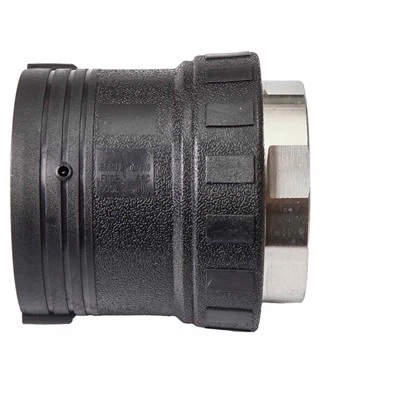
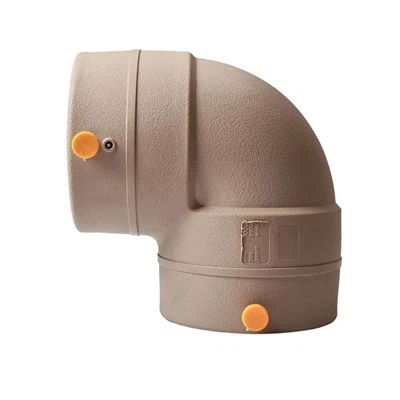
The first step in testing PPR electrofusion fittings is a simple visual check. Take a good look at the fitting. It should have a smooth surface without any visible cracks, bubbles, or deformities. The color of the fitting should be uniform. Any discoloration could be a sign of poor material quality or improper manufacturing processes.
When you're handling the fitting, make sure the edges are well - finished. Rough edges can not only affect the installation process but also indicate a lack of precision in production. Check the markings on the fitting. They should be clear and legible, including information like the size, pressure rating, and brand. If the markings are faded or smudged, it might be a red flag.
Dimensional Accuracy
Accurate dimensions are key for PPR electrofusion fittings. You can use a caliper to measure the outer and inner diameters of the fitting. The measurements should match the specifications provided by the manufacturer. Even a slight deviation can lead to problems during installation, such as poor fusion or leaks.
For example, if the inner diameter of a Electrofusion PPR fitting is too small, it may not fit properly onto the pipe, and if it's too large, the fusion may not be strong enough. Also, check the length of the fitting. Incorrect length can cause issues with the overall pipeline layout.
Material Quality
The material of PPR electrofusion fittings plays a huge role in their quality. One way to test the material is by performing a simple hardness test. You can use a hardness tester to measure the hardness of the fitting. A fitting with the right hardness will be more resistant to wear and tear, as well as pressure.
Another aspect is the chemical composition of the material. High - quality PPR fittings are made from pure and stable materials. Some suppliers may use recycled or low - grade materials, which can affect the performance of the fitting. You can send samples to a laboratory for a chemical analysis to ensure that the material meets the required standards.
Fusion Performance
Since electrofusion is the main way of joining PPR pipes and fittings, testing the fusion performance is essential. You can conduct a small - scale fusion test in a controlled environment. First, make sure the pipe and fitting are clean and dry. Then, follow the manufacturer's instructions for the electrofusion process, including the correct voltage and time settings.
After the fusion is complete, let it cool down. You can then perform a visual inspection of the fusion area. It should be smooth and free of any gaps or unevenness. You can also try to apply a small amount of force to the joint to see if it holds. A well - fused PPR Electrofusion Tee should be able to withstand normal handling without coming apart.
Pressure Testing
Pressure testing is a reliable way to evaluate the quality of PPR electrofusion fittings. You can set up a pressure testing system. Fill the pipeline with water and gradually increase the pressure to the rated pressure of the fitting. Keep the pressure stable for a certain period, usually around 10 - 30 minutes.


During the test, carefully inspect the fittings and joints for any signs of leakage. Even a small leak can indicate a problem with the fitting or the fusion. If there are no leaks, gradually release the pressure. This test helps to ensure that the fitting can withstand the pressure it will encounter in real - world applications.
Long - Term Performance Testing
To get a better understanding of the long - term performance of PPR electrofusion fittings, you can conduct accelerated aging tests. These tests simulate the effects of long - term use, such as exposure to heat, chemicals, and pressure over an extended period.
For example, you can place the fittings in a chamber with controlled temperature and humidity for a certain number of days. After the test, check the fittings for any changes in their physical properties, such as cracking, brittleness, or loss of strength. This type of testing can give you an idea of how the fitting will perform over its lifespan.
Compatibility Testing
PPR electrofusion fittings need to be compatible with the pipes they are connected to. You can test the compatibility by performing a series of fusion tests with different types of pipes. Make sure that the fusion process is smooth and that the joint is strong.
Incompatible materials can lead to problems such as delamination or poor fusion. For example, if a PPR Electrofusion fitting is not compatible with a particular brand of pipe, the joint may fail over time, causing leaks and other issues.
Conclusion
Testing the quality of PPR electrofusion fittings is a multi - step process that involves visual inspection, dimensional checks, material analysis, fusion performance testing, pressure testing, long - term performance testing, and compatibility testing. By following these steps, you can ensure that you are getting high - quality fittings that will perform well in your pipeline systems.
If you're in the market for PPR electrofusion fittings, I'd love to have a chat with you. Whether you have questions about our products or want to discuss your specific requirements, feel free to reach out. We're committed to providing top - notch products and excellent service.
References
- Industry standards for PPR electrofusion fittings
- Manufacturer's guidelines for PPR electrofusion fitting testing
- Research papers on the performance of PPR materials in pipeline systems