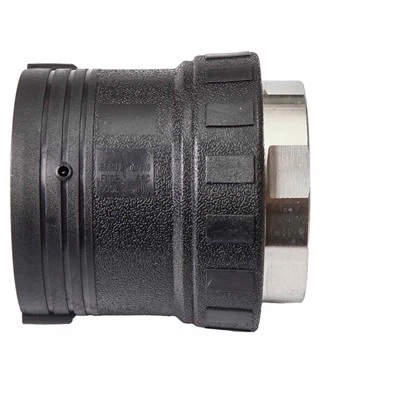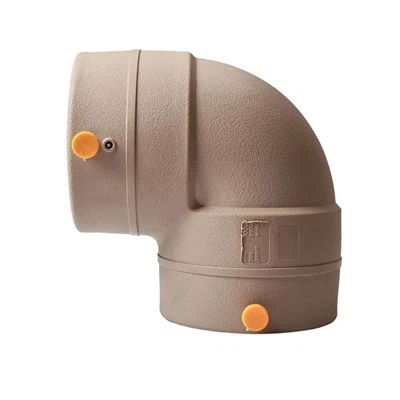


PPR electrofusion is a reliable and efficient method for joining PPR pipes, widely used in various plumbing and heating systems. As a PPR electrofusion supplier, I am well - versed in the process and would like to share a comprehensive guide on how to perform PPR electrofusion.


1. Understanding PPR Electrofusion
PPR electrofusion is a technique that uses an electric current to heat an embedded heating coil within a PPR electrofusion fitting. The heat generated melts the fitting and the outer surface of the PPR pipes being joined, creating a strong, permanent, and leak - proof bond. This method is highly preferred for its accuracy, consistency, and the ability to create joints in difficult - to - reach or complex piping systems.
The key components in PPR electrofusion include PPR Electrofusion fittings such as couplers, elbows, tees, and reducers, along with a compatible electrofusion welding machine.
2. Preparation
2.1 Selecting the Right Fittings and Pipes
It is crucial to ensure that the PPR pipes and PPR Electrofusion Pipe Fittings are of the same material grade and size. Check the manufacturer's specifications to confirm compatibility. For example, if you are using S4 grade PPR pipes, the electrofusion fittings should also be of S4 grade.
2.2 Cleaning the Pipes and Fittings
Before starting the fusion process, the pipes and fittings must be thoroughly cleaned. Use a clean, dry cloth to remove any dirt, dust, grease, or moisture from the surfaces. Any contaminants can prevent a proper bond and lead to joint failure. If necessary, use a mild detergent to clean stubborn dirt, and then dry the surfaces completely.
2.3 Measuring and Cutting the Pipes
Measure the length of the pipe required for the installation accurately. Use a sharp pipe cutter to make a clean, perpendicular cut. A jagged or angled cut can cause problems during the fusion process and result in a weak joint. After cutting, deburr the inside and outside edges of the pipe to ensure a smooth fit into the electrofusion fitting.
2.4 Marking the Insertion Depth
Most electrofusion fittings have a marked insertion depth. Use a marker to mark this depth on the pipe. This ensures that the pipe is inserted to the correct position within the fitting, which is essential for a successful fusion.
3. Setting Up the Electrofusion Welding Machine
3.1 Machine Selection
Choose an electrofusion welding machine that is suitable for the size and type of fittings you are using. Different machines have different power ratings and programming capabilities. Refer to the machine's manual to ensure it is compatible with your specific application.
3.2 Programming the Machine
Each electrofusion fitting has a specific welding parameter, including welding time and current. These parameters are usually provided by the fitting manufacturer. Enter the correct parameters into the electrofusion welding machine. Make sure to double - check the settings to avoid any errors.
4. Performing the Electrofusion
4.1 Inserting the Pipe into the Fitting
Carefully insert the marked pipe into the electrofusion fitting until it reaches the marked insertion depth. Make sure the pipe is centered within the fitting to ensure an even distribution of heat during the fusion process.
4.2 Connecting the Machine to the Fitting
Connect the electrofusion welding machine to the fitting using the appropriate connectors. The connectors should be clean and properly seated to ensure a good electrical connection.
4.3 Starting the Welding Process
Once the machine is connected, start the welding process by pressing the start button on the machine. The machine will supply an electric current to the heating coil in the fitting, which will start to heat up and melt the plastic. During the welding process, do not move or disturb the pipe or fitting, as this can disrupt the fusion and lead to a defective joint.
4.4 Monitoring the Process
Keep an eye on the welding machine's display to monitor the progress of the welding process. The machine will show the elapsed time and other relevant information. Some machines also have indicators to show if the welding process is proceeding normally.
4.5 Cooling Time
After the welding time is completed, the joint needs to cool down. Do not touch or move the joint during the cooling period, as the plastic is still soft and can be easily deformed. The cooling time depends on the size of the fitting and the ambient temperature. Refer to the manufacturer's guidelines for the recommended cooling time.
5. Quality Inspection
5.1 Visual Inspection
Once the joint has cooled down, perform a visual inspection. Check for any signs of uneven melting, such as bubbles, cracks, or gaps around the joint. The joint should have a smooth, uniform appearance.
5.2 Pressure Testing
If possible, conduct a pressure test on the piping system. This involves filling the system with water or air and applying a specified pressure for a certain period. Check for any leaks at the joints. A successful PPR electrofusion joint should be able to withstand the test pressure without any leakage.
6. Troubleshooting
6.1 Joint Failure
If a joint fails, it could be due to several reasons, such as incorrect welding parameters, dirty surfaces, or improper pipe insertion. In case of a joint failure, cut out the defective joint and start the fusion process again, making sure to address the root cause of the problem.
6.2 Machine Malfunction
If the electrofusion welding machine malfunctions, refer to the machine's manual for troubleshooting steps. Check the power supply, connectors, and any error messages displayed on the machine. If the problem persists, contact the machine manufacturer or a professional technician for assistance.
As a PPR electrofusion supplier, we are committed to providing high - quality PPR Electrofusion Coupler and other electrofusion fittings, along with technical support. If you are interested in purchasing our products or have any questions about PPR electrofusion, we invite you to contact us for procurement and further discussions.
References
- PPR Pipe and Fittings Installation Manuals from various manufacturers
- Technical literature on electrofusion welding techniques
- Industry standards and guidelines for PPR piping systems