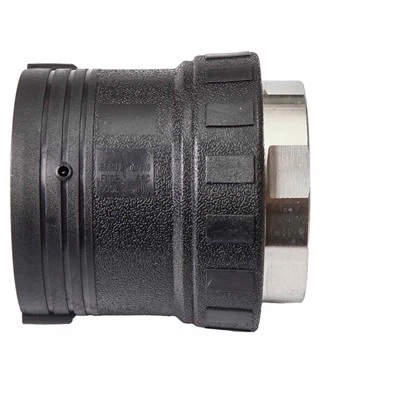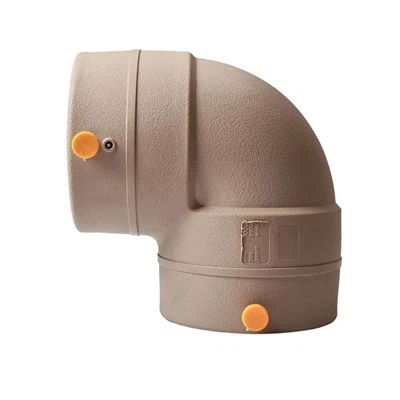


As a seasoned provider of Pipe Electrofusion solutions, I've witnessed firsthand the critical role that selecting the appropriate electrofusion parameters plays in ensuring the integrity and longevity of pipe connections. In this blog post, I'll share some insights and guidelines on how to choose the right electrofusion parameters for different pipes, drawing on my years of experience in the industry.
Understanding Electrofusion Basics
Before delving into parameter selection, it's essential to understand the fundamentals of electrofusion. Electrofusion is a welding process used to join plastic pipes, typically made of high-density polyethylene (HDPE). It involves using an electrofusion fitting, which contains an embedded heating element. When an electrical current is applied to the fitting, the heating element melts the plastic, creating a strong and leak-proof bond between the fitting and the pipes.
The success of an electrofusion joint depends on several factors, including the quality of the pipes and fittings, the surface preparation, and the electrofusion parameters. The most critical parameters are the welding time, welding voltage, and cooling time. These parameters must be carefully selected to ensure that the plastic reaches the appropriate melting temperature and that the joint cools down gradually to avoid stress cracking.
Factors Affecting Parameter Selection
Several factors influence the selection of electrofusion parameters, including the pipe material, pipe diameter, wall thickness, and operating conditions. Let's take a closer look at each of these factors:
Pipe Material
Different types of plastic pipes have different melting points and thermal properties, which affect the electrofusion parameters. For example, HDPE pipes have a relatively low melting point compared to other plastics, which means they require less energy to melt. As a result, the welding time and voltage for HDPE pipes are typically lower than those for other materials.
Pipe Diameter and Wall Thickness
The diameter and wall thickness of the pipes also play a significant role in parameter selection. Larger diameter pipes and thicker walls require more energy to melt, which means longer welding times and higher voltages. Conversely, smaller diameter pipes and thinner walls require less energy and shorter welding times.
Operating Conditions
The operating conditions of the pipeline, such as the temperature, pressure, and chemical environment, can also affect the electrofusion parameters. For example, pipes operating in high-temperature environments may require higher welding voltages and longer cooling times to ensure a strong and durable joint.
Selecting the Right Parameters
Now that we understand the factors affecting parameter selection, let's discuss how to choose the right electrofusion parameters for different pipes. The first step is to consult the manufacturer's recommendations for the pipes and fittings you are using. Most manufacturers provide detailed guidelines on the recommended electrofusion parameters based on the pipe material, diameter, wall thickness, and operating conditions.
In addition to the manufacturer's recommendations, it's also important to conduct a test weld before starting the actual installation. A test weld allows you to verify the electrofusion parameters and ensure that the joint meets the required quality standards. During the test weld, you should monitor the welding process closely and record the welding time, voltage, and temperature. You should also inspect the joint visually and perform a pressure test to check for leaks.
Here are some general guidelines for selecting the electrofusion parameters:
Welding Time
The welding time is the duration for which the electrical current is applied to the fitting. The welding time depends on the pipe material, diameter, wall thickness, and operating conditions. As a general rule, the welding time should be long enough to ensure that the plastic reaches the appropriate melting temperature but not so long that it causes overheating or damage to the pipes.
Welding Voltage
The welding voltage is the electrical potential applied to the fitting to generate the heat required for melting the plastic. The welding voltage depends on the pipe material, diameter, wall thickness, and operating conditions. As a general rule, the welding voltage should be high enough to ensure that the plastic reaches the appropriate melting temperature but not so high that it causes arcing or damage to the fitting.
Cooling Time
The cooling time is the duration for which the joint is allowed to cool down after the welding process is complete. The cooling time depends on the pipe material, diameter, wall thickness, and operating conditions. As a general rule, the cooling time should be long enough to ensure that the joint cools down gradually and evenly but not so long that it causes stress cracking.
Examples of Parameter Selection
To illustrate how to select the electrofusion parameters, let's consider some examples:
Example 1: HDPE Pipe with a Diameter of 110 mm and a Wall Thickness of 10 mm
For this example, let's assume that the pipes are operating in a normal temperature and pressure environment. According to the manufacturer's recommendations, the recommended welding time for this pipe is 200 seconds, the welding voltage is 39.5 volts, and the cooling time is 60 minutes.
Example 2: HDPE Pipe with a Diameter of 225 mm and a Wall Thickness of 20 mm
For this example, let's assume that the pipes are operating in a high-temperature environment. According to the manufacturer's recommendations, the recommended welding time for this pipe is 400 seconds, the welding voltage is 41 volts, and the cooling time is 90 minutes.
Importance of Quality Control
Selecting the appropriate electrofusion parameters is just one part of ensuring the quality of electrofusion joints. It's also important to implement a comprehensive quality control program to monitor the welding process and ensure that the joints meet the required quality standards.
A quality control program should include the following elements:
Inspection of Pipes and Fittings
Before starting the installation, you should inspect the pipes and fittings for any damage or defects. You should also check the dimensions of the pipes and fittings to ensure that they are within the specified tolerances.
Surface Preparation
Proper surface preparation is essential for ensuring a strong and durable electrofusion joint. You should clean the surfaces of the pipes and fittings thoroughly to remove any dirt, grease, or other contaminants. You should also use a scraper to remove the outer layer of the pipe to expose the clean plastic surface.
Monitoring the Welding Process
During the welding process, you should monitor the welding time, voltage, and temperature closely to ensure that they are within the recommended range. You should also record the welding parameters for each joint for future reference.
Inspection of the Joints
After the welding process is complete, you should inspect the joints visually for any signs of defects or damage. You should also perform a pressure test to check for leaks. If any defects or leaks are detected, you should repair or replace the joint immediately.


Conclusion
Selecting the appropriate electrofusion parameters is crucial for ensuring the integrity and longevity of pipe connections. By understanding the factors affecting parameter selection and following the manufacturer's recommendations, you can choose the right electrofusion parameters for different pipes and ensure that the joints meet the required quality standards.
At our company, we are committed to providing high-quality HDPE Pipe Electrofusion Fittings and comprehensive support to our customers. If you have any questions or need assistance with electrofusion parameter selection, please don't hesitate to contact us. We would be happy to help you choose the right products and solutions for your project.
References
- Manufacturer's guidelines for electrofusion pipes and fittings
- Industry standards and best practices for electrofusion welding
- Technical literature on plastic pipe welding and jointing