


Hey there! I'm a supplier of PPR electrofusion flanges, and today I wanna chat about the environmental impacts of these nifty fittings.
Production Phase
Let's start with the production of PPR electrofusion flanges. Polypropylene random copolymer (PPR) is the main material here. The extraction and processing of the raw materials for PPR do have some environmental implications.
The production of polypropylene involves the refining of petroleum. Petroleum extraction is a well - known culprit for environmental damage. It can lead to oil spills, which are disastrous for marine life. Oil spills contaminate water bodies, kill fish and other aquatic organisms, and damage coastal ecosystems. The refining process also consumes a significant amount of energy. Most of this energy comes from non - renewable sources like coal and natural gas. Burning these fossil fuels releases greenhouse gases such as carbon dioxide (CO₂), which contribute to global warming.
However, compared to some other materials used in pipe fittings, PPR has its advantages. For instance, it's lighter than metals like steel or copper. This means that less energy is required for transportation. When you're shipping PPR electrofusion flanges from the factory to the distribution centers or directly to customers, there's a lower carbon footprint associated with the transportation process compared to heavier metal fittings.
Another aspect of production is the manufacturing process itself. The molding of PPR electrofusion flanges usually involves injection molding. This process can be quite energy - intensive, but modern manufacturing techniques are becoming more efficient. Some factories are now using energy - saving equipment and optimizing their production lines to reduce energy consumption.
Installation Phase
Now, let's talk about the installation of PPR electrofusion flanges. The electrofusion process is pretty cool. It uses an electric current to heat the fitting and the pipe, creating a strong and leak - proof joint. One of the great things about this process is that it doesn't require any additional chemicals or solvents. In traditional pipe joining methods, like using adhesives or soldering, there can be emissions of volatile organic compounds (VOCs). VOCs are harmful to the environment and human health. They can contribute to the formation of smog and can cause respiratory problems in people.
The electrofusion process is also relatively quick. This means that workers spend less time on the job site, reducing the overall energy consumption associated with the installation process. For example, if you're installing a large pipeline system, using PPR electrofusion flanges can save a significant amount of time compared to other joining methods. Less time on the job site also means less disruption to the surrounding environment.
However, the electrofusion process does require electricity. If the electricity comes from non - renewable sources, it still has an environmental impact. But if the project can source electricity from renewable sources like solar or wind power, the environmental impact of the installation can be greatly reduced.
Use Phase
During the use phase, PPR electrofusion flanges have some great environmental benefits. PPR is highly resistant to corrosion. Unlike metal pipes, which can rust over time, PPR pipes and flanges can last for a long time without deteriorating. This means that there's less need for replacement, which in turn reduces the amount of waste generated.

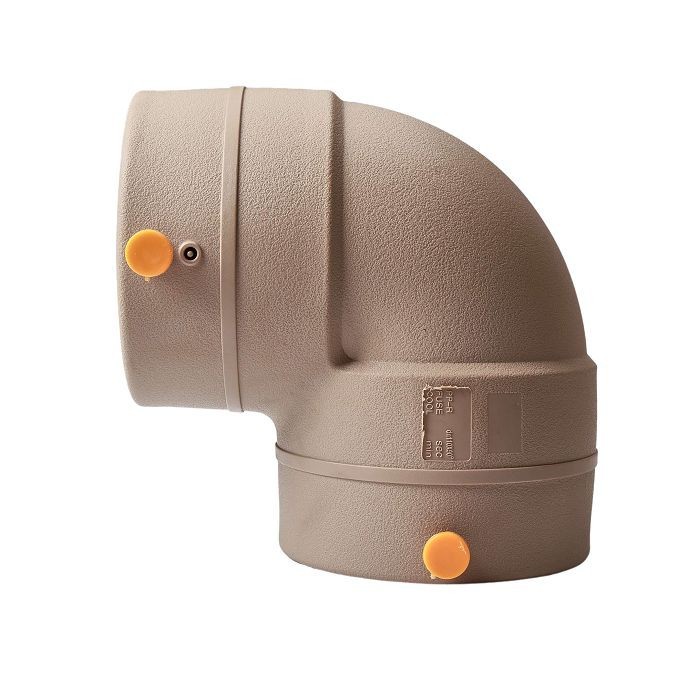
PPR also has good insulation properties. When used in a plumbing system, it can help to reduce heat loss. For example, in a hot water supply system, PPR pipes can keep the water hot for longer periods, reducing the energy needed to heat the water. This is a significant energy - saving benefit, especially in large buildings or industrial facilities.
Moreover, PPR is non - toxic. It doesn't leach any harmful substances into the water it carries. This is important for both human health and the environment. If you're using PPR electrofusion flanges in a drinking water system, you can be sure that the water quality remains safe. And when the water is eventually discharged into the environment, it doesn't carry any contaminants that could harm aquatic life.
End - of - Life Phase
When it comes to the end - of - life phase, PPR electrofusion flanges can be recycled. Recycling PPR reduces the demand for new raw materials, which in turn reduces the environmental impact of the extraction and processing of petroleum. However, the recycling process for PPR is not as widespread as it could be. There are still some challenges in collecting and sorting PPR waste.
Some recycling facilities may not have the proper equipment to handle PPR. And there's also a lack of awareness among consumers and businesses about the recyclability of PPR. But as the demand for sustainable materials grows, I'm hopeful that more efforts will be made to improve the recycling infrastructure for PPR electrofusion flanges.
Comparing with Other Materials
Let's compare PPR electrofusion flanges with some other common materials used in pipe fittings. As I mentioned earlier, metals like steel and copper are heavier. Their production requires a large amount of energy, especially in the mining and smelting processes. And they're prone to corrosion, which means they need to be replaced more frequently, generating more waste.
PVC (polyvinyl chloride) is another commonly used material. While PVC is lightweight and relatively inexpensive, it has some environmental concerns. The production of PVC involves the use of chlorine, which can be harmful to the environment if not properly managed. And PVC can release toxic chemicals when burned or exposed to high temperatures.
In contrast, PPR electrofusion flanges offer a more environmentally friendly alternative. They have a lower carbon footprint during production and transportation, and they're more durable and recyclable.
Conclusion
In conclusion, PPR electrofusion flanges have a mixed environmental impact. The production phase has some negative aspects related to the extraction of raw materials and energy consumption, but there are also ways to mitigate these impacts through more efficient manufacturing processes and renewable energy use.
The installation phase is relatively clean compared to traditional methods, and the use phase offers significant environmental benefits such as energy savings and long - term durability. The end - of - life phase has the potential for recycling, although there are still some challenges to overcome.
If you're in the market for high - quality and environmentally friendly pipe fittings, consider PPR Electrofusion flanges. We also offer a wide range of PPR Electrofusion Pipe Fittings, including the popular PPR Electrofusion 90 Degree Elbow. If you're interested in learning more or making a purchase, don't hesitate to reach out. We're here to help you make the best choice for your project.
References
- "Plastic Pipe Systems: Design and Installation" by various authors
- Industry reports on the environmental impact of different pipe fitting materials
- Research papers on the recycling of polypropylene materials


