


Hey there! As a supplier of PPR Electrofusion pipes and fittings, I often get asked about the bending radius of PPR Electrofusion pipes. So, I thought I'd write this blog to share some insights on this topic.
First off, let's understand what the bending radius is. The bending radius is the minimum radius at which a pipe can be bent without causing damage to the pipe, like cracking or kinking. It's a crucial factor to consider when installing PPR Electrofusion pipes, as it affects the pipe's performance and lifespan.
Now, the bending radius of PPR Electrofusion pipes isn't a fixed value. It depends on several factors. One of the main factors is the pipe's diameter. Generally speaking, larger diameter pipes have a larger bending radius. For example, a small - diameter PPR Electrofusion pipe might have a bending radius of around 5 - 10 times its outer diameter. But for a larger diameter pipe, say one with a diameter of 110mm or more, the bending radius could be 15 - 20 times the outer diameter.
The wall thickness of the pipe also plays a role. Pipes with thicker walls are stiffer and usually require a larger bending radius. This is because the thicker material is less flexible and more prone to damage when bent at a sharp angle.
The temperature during the bending process is another important factor. PPR material becomes more flexible at higher temperatures. So, if you're bending the pipes in a warmer environment or using some form of heating to make the bending easier, you might be able to achieve a smaller bending radius. However, you need to be careful not to over - heat the pipe, as this can degrade the material's properties.
When it comes to bending PPR Electrofusion pipes, there are a few methods. One common way is to use a pipe bender. There are different types of pipe benders available, from manual ones for small - scale jobs to hydraulic or electric ones for larger projects. A good quality pipe bender is designed to apply a uniform force along the length of the pipe being bent, which helps to ensure a smooth bend without causing any damage.
Another method is to use heat. You can use a heat gun or a specialized pipe heating device to warm up the area of the pipe where you want to make the bend. As the pipe gets warmer, it becomes more pliable and can be bent more easily. But remember, as I mentioned earlier, you need to control the temperature carefully.

Now, why is it so important to get the bending radius right? Well, if you bend the pipe at a radius that's too small, it can lead to a number of problems. For one, it can cause stress concentration in the bent area. This stress can weaken the pipe over time and make it more likely to develop cracks or leaks. Also, a sharp bend can restrict the flow of fluid inside the pipe, increasing the pressure drop and reducing the overall efficiency of the piping system.
On the other hand, if you use a bending radius that's too large, it might not fit into the available space in your installation. This can lead to a less - than - optimal layout and might require additional fittings or longer pipe runs, which can increase the cost and complexity of the project.
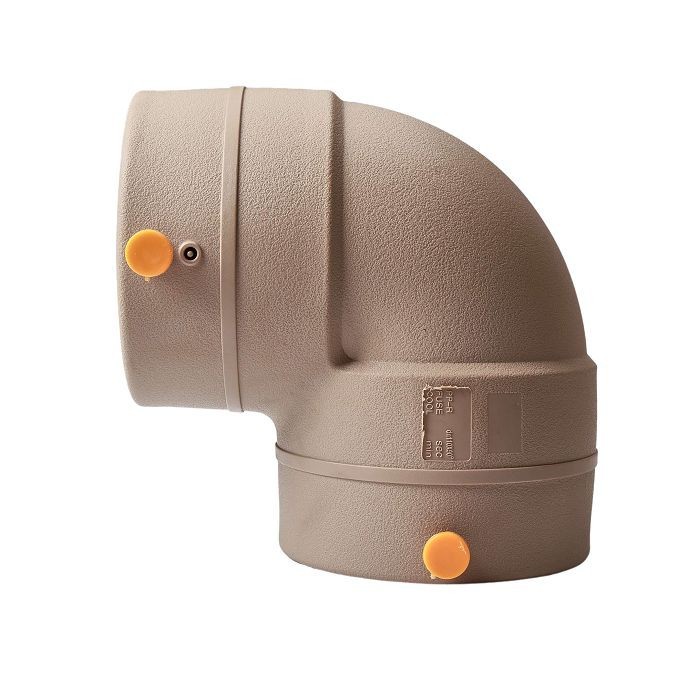
If you're in the market for PPR Electrofusion pipes and fittings, we've got you covered. We offer a wide range of PPR Electrofusion products, including PPR Electrofusion Flange and PPR Electrofusion Pipe Fittings. Our products are made from high - quality PPR material and are designed to meet the highest industry standards.
Whether you're working on a residential plumbing project or a large - scale commercial installation, our PPR Electrofusion pipes and fittings can provide you with a reliable and long - lasting solution. We understand the importance of getting the bending radius right, and our products are engineered to be flexible enough to allow for proper bending while maintaining their structural integrity.
If you have any questions about the bending radius of our PPR Electrofusion pipes or need advice on which products are best for your project, don't hesitate to reach out. We're here to help you make the right choices and ensure a successful installation. Whether you're a professional plumber or a DIY enthusiast, we're committed to providing you with the best products and support.
In conclusion, understanding the bending radius of PPR Electrofusion pipes is essential for a successful piping installation. By considering factors like pipe diameter, wall thickness, and temperature, and using the right bending methods, you can ensure that your pipes are bent safely and effectively. And if you're looking for top - quality PPR Electrofusion products, we're the supplier you can trust. So, get in touch with us today to start your next project on the right foot!
References:
- PPR Pipe Installation Manuals from Industry Standards
- Technical Guides on Plastic Pipe Bending


