

As a Ppr Electrofusion supplier, I understand the critical importance of ensuring the safety of Ppr Electrofusion pipes and fittings during transportation. These products are integral to various plumbing and construction projects, and any damage during transit can lead to significant losses, delays, and potential safety hazards. In this blog, I will share some practical tips and strategies to safeguard Ppr Electrofusion pipes and fittings while they are on the move.
1. Proper Packaging
The first line of defense in protecting Ppr Electrofusion pipes and fittings is proper packaging. Here are some key considerations:
- Use Suitable Packaging Materials: Select packaging materials that can withstand the rigors of transportation. For pipes, heavy - duty plastic wraps or cardboard sleeves can provide a basic layer of protection. Fittings should be placed in sturdy cardboard boxes or plastic containers. Foam inserts or bubble wrap can be used to cushion the fittings and prevent them from colliding with each other during transit.
- Labeling: Clearly label the packages with information such as the product type, size, quantity, and handling instructions. This helps the transportation personnel to handle the packages correctly and also makes it easier to identify the contents in case of any issues.
2. Loading and Unloading
The way Ppr Electrofusion pipes and fittings are loaded and unloaded can have a significant impact on their safety.
- Use Appropriate Equipment: When loading and unloading, use equipment such as forklifts, cranes, or conveyor belts that are suitable for handling these products. Ensure that the equipment is in good working condition and that the operators are properly trained.
- Avoid Rough Handling: Pipes and fittings should be handled gently to prevent scratches, dents, or cracks. Avoid dropping, throwing, or dragging the products during loading and unloading. When stacking pipes, stack them in a stable and orderly manner to prevent them from toppling over.
3. Securing the Load
Once the Ppr Electrofusion pipes and fittings are loaded onto the transport vehicle, it is essential to secure the load properly.
- Use Straps and Braces: Straps and braces can be used to secure the pipes and fittings in place. Make sure the straps are tightened enough to prevent movement but not so tight that they damage the products. For larger loads, additional bracing may be required to keep the products stable during transit.
- Consider the Center of Gravity: When loading the transport vehicle, distribute the weight evenly to maintain the center of gravity. This helps to prevent the vehicle from tipping over and also reduces the stress on the products during transit.
4. Choosing the Right Transport Mode
The choice of transport mode can also affect the safety of Ppr Electrofusion pipes and fittings.
- Road Transport: Road transport is a common option for transporting these products. When choosing a road transport provider, select a company with a good safety record. Ensure that the trucks are well - maintained and that the drivers are experienced in transporting fragile and valuable goods.
- Rail and Sea Transport: For long - distance or international shipments, rail or sea transport may be more cost - effective. However, these modes of transport may expose the products to more vibrations and potential damage. Special care should be taken when using these modes, such as using additional packaging and securing the load more firmly.
5. Monitoring the Shipment
During transportation, it is important to monitor the shipment to ensure that the Ppr Electrofusion pipes and fittings are safe.


- Use Tracking Systems: Many modern transport companies offer tracking systems that allow you to monitor the location and condition of the shipment in real - time. This can help you to detect any potential issues early and take appropriate action.
- Inspect the Shipment: If possible, arrange for an inspection of the shipment at various points during transit. This can help to identify any damage or issues that may have occurred and allow you to address them before the products reach their destination.
6. Protecting Against Environmental Factors
Environmental factors such as temperature, humidity, and sunlight can also affect the safety of Ppr Electrofusion pipes and fittings during transportation.
- Temperature Control: Ppr Electrofusion products can be sensitive to extreme temperatures. If necessary, use temperature - controlled transport vehicles or storage facilities to maintain a suitable temperature range.
- Moisture Protection: Moisture can cause corrosion and damage to the pipes and fittings. Use moisture - resistant packaging materials and ensure that the transport vehicle is dry. If the products are stored for a long time during transit, consider using desiccants to absorb moisture.
- Sunlight Protection: Prolonged exposure to sunlight can cause the Ppr Electrofusion products to degrade. Cover the products with opaque tarps or use UV - resistant packaging materials to protect them from sunlight.
Examples of Our Ppr Electrofusion Products
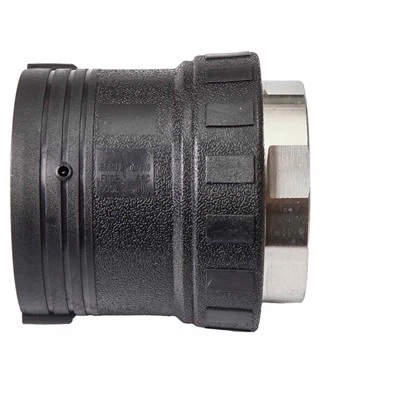
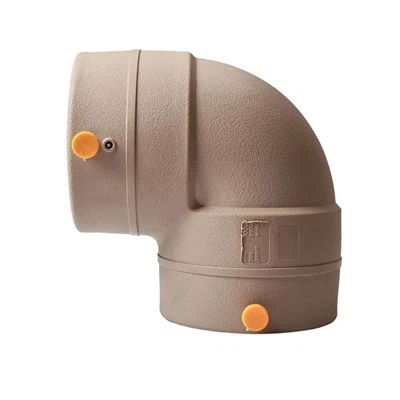
At our company, we offer a wide range of high - quality Ppr Electrofusion products, including PPR Electrofusion Coupler, PPR Electrofusion Tee, and PPR Electrofusion 90 Degree Elbow. These products are designed to meet the highest industry standards and are carefully packaged and transported to ensure their safety.
Conclusion
Ensuring the safety of Ppr Electrofusion pipes and fittings during transportation requires a comprehensive approach that includes proper packaging, careful loading and unloading, secure load - securing, choosing the right transport mode, monitoring the shipment, and protecting against environmental factors. By following these tips and strategies, you can minimize the risk of damage and ensure that your products reach their destination in perfect condition.
If you are interested in purchasing our Ppr Electrofusion pipes and fittings, we invite you to contact us for a detailed discussion. Our team of experts is ready to assist you with your procurement needs and provide you with the best solutions.
References
- "Transportation Safety Guidelines for Plastic Pipes and Fittings", International Association of Plastic Pipe Manufacturers.
- "Best Practices in Packaging and Shipping of Plumbing Products", National Plumbing Association.