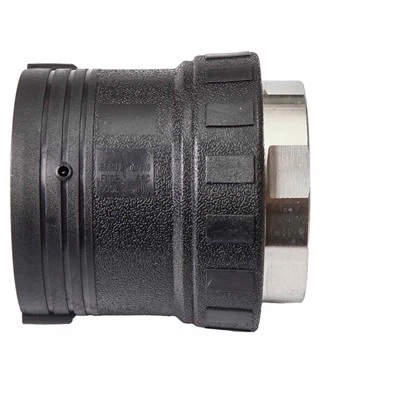


As a supplier of PPR Electrofusion products, I've witnessed firsthand the growing demand for reliable and durable piping solutions in various industries. One of the most frequently asked questions from our customers is about the corrosion resistance of PPR Electrofusion joints. In this blog post, I'll delve into the details of what makes these joints resistant to corrosion and why they are an excellent choice for many applications.
Understanding PPR Electrofusion
PPR, or Polypropylene Random Copolymer, is a thermoplastic material known for its high strength, flexibility, and chemical resistance. PPR Electrofusion is a joining method that uses an electric current to heat and melt the PPR material at the joint, creating a strong and seamless bond. This process ensures a leak - free connection and is widely used in plumbing, heating, and industrial piping systems.
Corrosion Resistance Mechanisms of PPR Electrofusion Joints
Chemical Inertness
PPR is inherently chemically inert, which means it does not react easily with most chemicals. This property is crucial for corrosion resistance. In environments where pipes are exposed to various chemicals, such as acids, alkalis, and salts, PPR Electrofusion joints can withstand the chemical attack. For example, in a water treatment plant, where the water may contain chlorine and other disinfectants, PPR pipes and joints remain unaffected, ensuring long - term performance.
Lack of Metal Components
Unlike traditional metal pipes and joints, PPR Electrofusion joints do not contain any metal parts. Metals are prone to corrosion, especially in the presence of moisture and oxygen. Rusting is a common form of corrosion in metal pipes, which can lead to leaks, reduced flow capacity, and even structural failure. Since PPR is a non - metallic material, there is no risk of rust or other forms of metal corrosion. This makes PPR Electrofusion joints ideal for use in humid or wet environments, such as underground piping systems or in coastal areas where the air is salty.
Homogeneous Structure
The electrofusion process creates a homogeneous joint between the PPR pipes. When the PPR material is melted and fused together, it forms a single, continuous piece. This homogeneous structure eliminates weak points where corrosion could start. In contrast, some other joining methods may leave gaps or areas of uneven material distribution, which can be vulnerable to corrosion. The seamless nature of PPR Electrofusion joints ensures that there are no crevices or joints where corrosive substances can accumulate and cause damage.
Factors Affecting the Corrosion Resistance of PPR Electrofusion Joints
Temperature
Although PPR has good heat resistance, extreme temperatures can affect its corrosion resistance. At very high temperatures, the chemical structure of PPR may start to degrade, making it more susceptible to chemical attack. However, within the normal operating temperature range of most PPR piping systems (usually between - 20°C and 95°C), the corrosion resistance remains excellent. It's important to ensure that the PPR Electrofusion joints are installed and used within the recommended temperature limits.
UV Exposure
PPR is sensitive to ultraviolet (UV) radiation. Prolonged exposure to sunlight can cause the PPR material to become brittle and may reduce its corrosion resistance over time. When using PPR Electrofusion joints in outdoor applications, it's necessary to protect the pipes from direct sunlight. This can be achieved by using insulation or covering the pipes with a UV - resistant material.


Applications Benefiting from the Corrosion Resistance of PPR Electrofusion Joints
Water Supply Systems
In both residential and commercial water supply systems, the corrosion resistance of PPR Electrofusion joints is a major advantage. These joints ensure that the water remains clean and free from contaminants that could be released by corroded pipes. They also prevent leaks, which can lead to water wastage and damage to the building structure. Whether it's a small apartment building or a large industrial complex, PPR Electrofusion joints provide a reliable and long - lasting solution for water distribution.
Chemical Processing Plants
Chemical processing plants deal with a wide range of corrosive chemicals on a daily basis. PPR Electrofusion joints are well - suited for these environments because of their chemical inertness. They can be used to transport various chemicals, such as acids, bases, and solvents, without the risk of corrosion. This reduces the maintenance costs and downtime associated with pipe replacement due to corrosion.
Irrigation Systems
In agricultural irrigation systems, PPR Electrofusion joints are an excellent choice. The water used for irrigation may contain fertilizers, pesticides, and other chemicals, which can be corrosive to metal pipes. PPR joints can withstand these chemicals and ensure a continuous and efficient water supply to the crops. Additionally, their resistance to rust and corrosion means that they require less maintenance, which is beneficial for farmers who need to focus on other aspects of their operations.
Comparing PPR Electrofusion Joints with Other Joining Methods
Welded Metal Joints
As mentioned earlier, welded metal joints are prone to corrosion. The welding process can create areas of different metal compositions and microstructures, which can act as sites for corrosion. In contrast, PPR Electrofusion joints have a uniform structure and are not affected by the same corrosion mechanisms. Metal joints also require regular inspections and maintenance to detect and prevent corrosion, while PPR joints have a much lower maintenance requirement.
Glued Joints
Glued joints in some plastic pipes may have limitations in terms of corrosion resistance. The glue used to join the pipes may not be as chemically resistant as the PPR material itself. Over time, the glue may break down when exposed to certain chemicals, leading to leaks at the joints. PPR Electrofusion joints, on the other hand, rely on the melting and fusing of the PPR material itself, creating a stronger and more corrosion - resistant bond.
Our PPR Electrofusion Product Range
We offer a wide range of PPR Electrofusion products, including PPR Electrofusion Flange and PPR Electrofusion Coupler. Our products are manufactured using high - quality PPR materials and advanced electrofusion technology to ensure the best corrosion resistance and performance. Whether you need a small - scale residential piping system or a large - scale industrial installation, we have the right products for you.
Why Choose Our PPR Electrofusion Products?
Quality Assurance
We have strict quality control measures in place throughout the manufacturing process. Our products are tested to meet international standards for corrosion resistance, strength, and durability. This ensures that you get a reliable and long - lasting product that will serve your needs for many years.
Technical Support
Our team of experts is always ready to provide technical support. Whether you have questions about the installation process, the compatibility of our products with your specific application, or the maintenance requirements, we can offer you the necessary guidance.
Customization
We understand that different customers may have different requirements. That's why we offer customization services for our PPR Electrofusion products. We can manufacture products in different sizes, shapes, and specifications to meet your unique needs.
Contact Us for Your PPR Electrofusion Needs
If you're looking for a corrosion - resistant piping solution for your project, our PPR Electrofusion products are the ideal choice. We invite you to contact us for more information about our products, pricing, and to discuss your specific requirements. Our sales team is eager to assist you in finding the best PPR Electrofusion products for your application. Whether you're a contractor, an engineer, or a facility manager, we can provide you with the high - quality products and services you deserve.
References
- "Plastic Pipes Handbook" by Michael W. Kutz
- "Corrosion Prevention and Control in Piping Systems" by the American Society of Mechanical Engineers
- Technical reports on PPR materials and electrofusion technology from leading plastic pipe manufacturers.