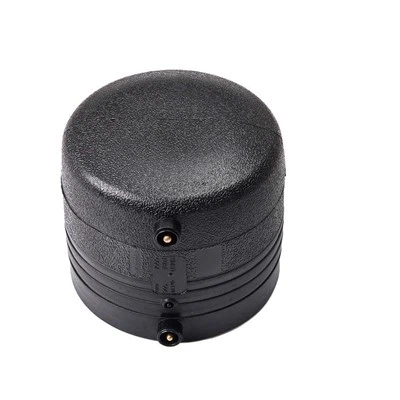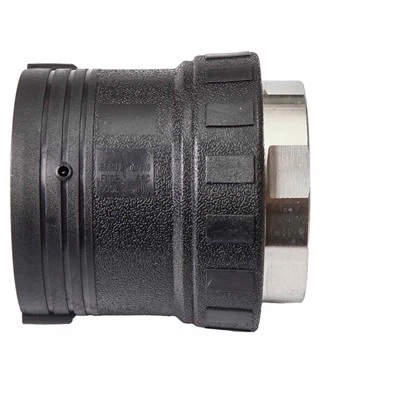


What is the hardness of electrofusion couplers?


As a supplier of electrofusion couplers, I've encountered numerous inquiries regarding the hardness of these essential components. In this blog post, I'll delve into the concept of hardness in electrofusion couplers, its significance, and how it impacts their performance.
Understanding Hardness in Electrofusion Couplers
Hardness is a fundamental property of materials, and in the context of electrofusion couplers, it refers to the material's resistance to indentation, scratching, or abrasion. This characteristic is crucial as electrofusion couplers are often subjected to various mechanical stresses during installation, operation, and handling.
The hardness of electrofusion couplers is typically determined by the type of polymer used in their manufacturing. High - density polyethylene (HDPE) is a common material for these couplers due to its excellent chemical resistance, durability, and appropriate hardness. HDPE has a relatively high hardness compared to other plastics, which allows it to withstand the rigors of underground installation and long - term use in various environments.
Measuring Hardness
There are several methods to measure the hardness of electrofusion couplers. One of the most widely used methods is the Shore hardness test. The Shore hardness scale measures the resistance of a material to indentation using a durometer. For HDPE electrofusion couplers, the Shore D hardness scale is often employed. A higher Shore D value indicates a harder material.
Another method is the Rockwell hardness test. Although less common for polymers like HDPE used in electrofusion couplers, it can provide a more in - depth understanding of the material's hardness in certain applications. The Rockwell test measures the depth of penetration of an indenter under a specific load.
Significance of Hardness in Electrofusion Couplers
Resistance to Damage
A hard electrofusion coupler is more resistant to physical damage during installation. For example, when pipes are being connected using electrofusion couplers, there may be accidental impacts or scratches. A coupler with appropriate hardness can withstand these minor damages without compromising its integrity. This is especially important in construction sites where rough handling is common.
Long - Term Durability
Hardness also contributes to the long - term durability of electrofusion couplers. In underground applications, the couplers are exposed to soil pressure, shifting ground, and potential abrasion from surrounding materials. A hard coupler can better resist these external forces over time, ensuring a reliable and leak - free connection between pipes.
Compatibility with Welding
The hardness of the electrofusion coupler is also related to its compatibility with the pipe material during the electrofusion welding process. If the hardness of the coupler and the pipe are not well - matched, it can lead to issues such as uneven melting, poor fusion, and ultimately, a weak joint. Therefore, maintaining the appropriate hardness in electrofusion couplers is essential for achieving a strong and durable welded connection.
Factors Affecting the Hardness of Electrofusion Couplers
Polymer Grade
The grade of HDPE used in the manufacturing of electrofusion couplers has a significant impact on its hardness. Different grades of HDPE have different molecular structures and densities, which result in varying levels of hardness. Higher - density HDPE grades generally have higher hardness values.
Manufacturing Process
The manufacturing process can also affect the hardness of electrofusion couplers. Factors such as extrusion temperature, cooling rate, and molding pressure can influence the final hardness of the product. For example, a slower cooling rate during the extrusion process can lead to a more crystalline structure in the HDPE, which often results in a harder material.
Additives
Some manufacturers may add additives to the HDPE to enhance certain properties, including hardness. For example, adding fillers or reinforcements can increase the hardness of the electrofusion coupler. However, the use of additives must be carefully controlled to ensure that they do not negatively impact other important properties such as chemical resistance and weldability.
Applications and Hardness Requirements
Water Supply Systems
In water supply systems, electrofusion couplers need to have sufficient hardness to withstand the internal pressure of the water and any external forces from the surrounding environment. A harder coupler can prevent deformation and leakage, ensuring a reliable water supply. HDPE Pipe Electrofusion Fittings are commonly used in these systems, and their appropriate hardness is crucial for maintaining the integrity of the pipeline.
Gas Distribution Networks
For gas distribution networks, the hardness of electrofusion couplers is even more critical. Gas pipelines are subject to strict safety regulations, and a hard coupler can provide better resistance to gas leakage and prevent potential safety hazards. The hardness requirements for gas - related electrofusion couplers are often higher than those for water supply systems.
Industrial Applications
In industrial applications, electrofusion couplers may be exposed to more aggressive chemicals and extreme temperatures. The hardness of the couplers in these applications needs to be carefully selected to ensure that they can withstand the harsh conditions. For example, in chemical processing plants, the couplers need to resist chemical corrosion while maintaining their mechanical strength.
Our Offerings as a Supplier
As a supplier of electrofusion couplers, we understand the importance of hardness in these products. We offer a wide range of electrofusion couplers with different hardness levels to meet the diverse needs of our customers. Our PE Electrofusion 45° Elbow PN20 is a prime example of our high - quality products. It is manufactured using premium - grade HDPE, ensuring the appropriate hardness for reliable performance in various applications.
We also provide detailed technical support to our customers. Our team of experts can assist in selecting the right electrofusion couplers based on the specific hardness requirements of the project. Whether it's a small - scale water supply project or a large - scale industrial pipeline, we have the expertise to offer the most suitable solutions.
Importance of Electrofusion Welding and Hardness
The process of HDPE Pipe Electrofusion Welding is closely related to the hardness of electrofusion couplers. During the welding process, the coupler and the pipe need to melt and fuse together properly. If the hardness of the coupler is too high, it may require more energy to melt, which can lead to longer welding times and potential overheating of the surrounding areas. On the other hand, if the hardness is too low, the coupler may deform easily during the welding process, resulting in a weak joint.
Therefore, maintaining the optimal hardness in electrofusion couplers is essential for a successful electrofusion welding process. Our products are carefully engineered to ensure that they have the right hardness for efficient and reliable welding, providing our customers with strong and durable pipe connections.
Contact Us for Your Electrofusion Coupler Needs
If you're in the market for high - quality electrofusion couplers, we invite you to contact us. Our team is ready to assist you in finding the perfect solutions for your projects. Whether you need couplers with specific hardness requirements or have questions about the electrofusion welding process, we're here to help. Reach out to us to start a discussion about your procurement needs and let us provide you with the best electrofusion couplers on the market.
References
- ASTM International. (20XX). Standard test methods for hardness of plastics and electrical insulating materials.
- Plastics Pipe Institute. (20XX). Handbook of plastic piping systems.
- Technical literature from HDPE resin manufacturers.