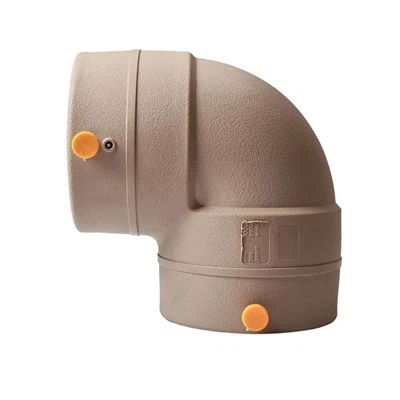


The maximum operating pressure for electrofusion fittings is a critical parameter that significantly impacts their performance and safety in various applications. As a leading supplier of electrofusion fittings, understanding and communicating this aspect to our customers is of utmost importance. In this blog, we will delve into the factors that determine the maximum operating pressure of electrofusion fittings, the implications of exceeding this pressure, and how to select the right fittings based on pressure requirements.
Understanding the Basics of Electrofusion Fittings
Electrofusion fittings are widely used in the installation of plastic pipes, particularly high - density polyethylene (HDPE) pipes. These fittings use an electrical current to heat embedded resistance wires, causing the plastic of the fitting and the pipe to melt and fuse together, creating a strong and leak - proof joint. The quality and integrity of the joint are influenced by several factors, including the fusion process, the materials used, and the operating conditions, with pressure being one of the most crucial operating conditions.
Factors Determining the Maximum Operating Pressure
Material Properties
The raw material of electrofusion fittings plays a fundamental role in determining their maximum operating pressure. HDPE is a popular choice due to its excellent chemical resistance, flexibility, and strength. Different grades of HDPE have different inherent mechanical properties. For instance, HDPE with a higher density generally has better pressure - resistant capabilities. Our HDPE Pn 20 fittings are made from high - quality HDPE materials that can withstand relatively high pressures, suitable for demanding applications.
Fitting Design
The design of electrofusion fittings also affects their maximum operating pressure. Parameters such as wall thickness, shape, and the distribution of the embedded resistance wires are carefully engineered. Thicker walls can generally bear more pressure, as they provide greater structural support. For example, our Tee HDPE Electrofusion fittings are designed with optimized wall thickness and shape to ensure reliable performance under pressure, even at the junction where the flow direction changes.
Manufacturing Process
The manufacturing process of electrofusion fittings is another key factor. Precise control of the manufacturing process, including the extrusion of the fitting body and the embedding of the resistance wires, is essential to ensure uniform quality. Any defects in the manufacturing, such as uneven wire distribution or voids in the plastic, can weaken the fitting and reduce its maximum operating pressure. At our production facilities, we employ strict quality control measures to ensure that each electrofusion fitting meets the highest standards of quality and pressure - resistance.
Environmental Conditions
The environment in which the electrofusion fittings operate also impacts their maximum operating pressure. Temperature is a significant environmental factor. Higher temperatures can reduce the strength of the HDPE material, thereby lowering the maximum operating pressure. For example, if the fittings are used in a high - temperature industrial environment, the safe operating pressure should be adjusted accordingly to prevent premature failure.
Standards and Ratings for Maximum Operating Pressure
Electrofusion fittings are typically rated according to industry standards. These ratings provide clear guidelines on the maximum operating pressure under specific conditions. Common standards for HDPE electrofusion fittings include ISO standards. For example, ISO 12176 - 2 provides specifications for electrofusion fittings for polyethylene (PE) pipes and fittings for gas and water supply systems. By referring to these standards, customers can easily select the appropriate fittings based on their pressure requirements.
When looking at the product specifications, the maximum operating pressure is often denoted as a nominal pressure rating. For example, a fitting may be rated as Pn10, which means it is designed to operate at a maximum pressure of 10 bar under specified test and operating conditions. It is important to note that these ratings are based on ideal conditions, and in real - world applications, other factors such as temperature and fluid composition should also be taken into account.
Implications of Exceeding the Maximum Operating Pressure
Exceeding the maximum operating pressure of electrofusion fittings can have serious consequences. Firstly, it can lead to joint failure. The fused joint between the fitting and the pipe may start to crack or leak, potentially causing damage to the entire piping system. In industrial applications, a leak can result in the loss of valuable fluids, environmental pollution, and even pose a safety hazard to workers.
Secondly, over - pressurization can cause the fitting itself to deform or burst. This sudden release of pressure can be extremely dangerous, especially in high - pressure systems. For example, in a water supply system, a burst fitting can cause a sudden flood, damaging nearby equipment and infrastructure.


Selecting the Right Electrofusion Fittings Based on Pressure Requirements
To select the right electrofusion fittings for a specific application, the first step is to accurately determine the operating pressure of the piping system. This may involve considering the source of the fluid (e.g., pump pressure), the elevation changes in the system, and any potential pressure surges.
Once the operating pressure is known, it is advisable to select fittings with a maximum operating pressure rating that is higher than the actual operating pressure. This provides a safety margin to account for any unforeseen pressure fluctuations. For example, if the operating pressure of a water supply system is 6 bar, it would be prudent to choose fittings with a nominal pressure rating of Pn10 or higher.
In addition to pressure, other factors such as pipe diameter, fluid type, and temperature should also be considered. For instance, different fluids may have different chemical properties that can affect the compatibility with the HDPE material of the fittings. Our Pipe Electrofusion fittings are available in a variety of sizes and configurations to meet different application requirements.
Choosing Our Electrofusion Fittings
As a professional electrofusion fittings supplier, we offer a wide range of high - quality products that are designed to meet diverse pressure requirements. Our fittings are manufactured using the latest technology and strict quality control measures to ensure reliable performance and long - term durability.
By working with us, you can benefit from our technical expertise and extensive product knowledge. Our team of experts can assist you in selecting the most suitable electrofusion fittings for your specific application, taking into account all relevant factors such as pressure, temperature, and fluid type.
If you are in the process of planning a piping project or need to replace existing electrofusion fittings, we encourage you to contact us for a detailed consultation. We are committed to providing you with the best solutions and products to meet your needs.
References
- ISO 12176 - 2: Plastics piping and ducting systems — Electrofusion fittings for polyethylene (PE) pipes and fittings for use in gas and water supply systems — Specification for welded electrofusion fittings.
- Technical guides on HDPE materials and electrofusion fitting technology from industry associations.