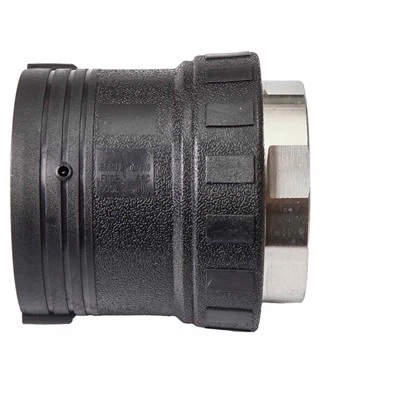


Hey there! As a supplier of Pe Electrofusion products, I've been getting a lot of questions lately about the role of the insulation layer in Pe Electrofusion. So, I thought I'd take a few minutes to break it down for you.
First off, let's talk about what Pe Electrofusion is. It's a method of joining polyethylene (PE) pipes and fittings using an electric current. The process involves inserting a fitting with an embedded heating element around the pipes to be joined. When an electric current is applied, the heating element heats up, melting the PE material of both the fitting and the pipes. As the material cools and solidifies, a strong, leak - proof joint is formed.
Now, onto the insulation layer. The insulation layer plays several crucial roles in the Pe Electrofusion process.
1. Electrical Isolation
One of the primary functions of the insulation layer is to provide electrical isolation. In the electrofusion process, we're dealing with an electric current running through the heating element. Without proper insulation, the current could leak out, causing a short - circuit or other electrical problems. The insulation layer acts as a barrier, keeping the electrical current within the intended path - the heating element. This ensures that the energy is efficiently used to heat the PE material and create a proper fusion.
Think of it like the rubber coating on an electrical wire. If that coating is damaged or missing, the wire can cause shocks or start a fire. Similarly, in Pe Electrofusion, the insulation layer prevents electrical malfunctions that could ruin the joint or even pose a safety hazard.
2. Heat Concentration
Another important role of the insulation layer is to concentrate the heat generated by the heating element. When the electric current passes through the heating element, it produces heat. The insulation layer helps to direct this heat towards the PE material of the fitting and the pipes. By preventing heat from dissipating into the surrounding environment, more heat is available to melt the PE, which results in a stronger and more reliable joint.
Imagine trying to boil water in a pot without a lid. A lot of the heat would escape into the air, and it would take much longer to boil the water. The insulation layer in Pe Electrofusion is like the lid on the pot, keeping the heat where it's needed most - at the joint.
3. Protection from External Factors
The insulation layer also protects the heating element from external factors. During the installation and use of Pe Electrofusion fittings, they can be exposed to various environmental conditions, such as moisture, dirt, and chemicals. These factors can damage the heating element and affect its performance. The insulation layer acts as a shield, preventing these external elements from coming into contact with the heating element.
For example, if moisture gets into the heating element, it can cause corrosion, which will reduce the efficiency of the electrofusion process. The insulation layer keeps the moisture out, ensuring that the heating element remains in good condition and can function properly.


4. Long - term Durability
By providing electrical isolation, heat concentration, and protection from external factors, the insulation layer contributes to the long - term durability of the Pe Electrofusion joint. A well - insulated heating element is less likely to fail over time, which means that the joint will maintain its integrity for a longer period. This is especially important in applications where the pipes are used for transporting fluids or gases, as a failed joint could lead to leaks and other problems.
Now that you understand the importance of the insulation layer in Pe Electrofusion, you might be interested in our Pe Electrofusion Fittings. These fittings are designed with high - quality insulation layers to ensure reliable and long - lasting joints.
We also offer Electro Fusion Joint HDPE products. These joints are made using advanced electrofusion technology, and the insulation layer in them is carefully engineered to provide optimal performance.
If you're involved in HDPE pipe installation, our HDPE Electrofusion Welding solutions are worth considering. The insulation layer in our welding systems helps to create strong and leak - proof joints, making your installation process more efficient and your pipes more reliable.
Whether you're a contractor, an engineer, or someone involved in the plumbing or construction industry, we have the Pe Electrofusion products you need. Our products are tested and proven to meet the highest standards of quality and performance.
If you're interested in learning more about our Pe Electrofusion products or have any questions about the insulation layer or the electrofusion process, don't hesitate to reach out. We're here to help you find the best solutions for your projects. Contact us today to start a conversation about your procurement needs. We look forward to working with you!
References
- "Polyethylene Pipe Handbook" by the Plastics Pipe Institute
- Industry standards and guidelines for electrofusion of PE pipes